Uncategorized
ACA Welcomes 2 New Certified Pommeliers™ following CiderWorld 2026

The American Cider Association (ACA) is proud to announce the induction of two new Certified Pommeliers™ following an examination held at Cider World 2026 in Frankfurt, Germany, marking the continued expansion of global cider expertise.
The newly minted Certified Pommeliers™ are: Thomas Digervold, Founder of Bergen Bobler — the International Nordic Cider & Sparkling Wine Festival in the Nordics, and Estida Aleknaviciene, Lithuanian-based cider enthusiast, maker, and orchardist.


Representing an advanced level of achievement within the ACA’s educational pathway, the Certified Pommelier™ designation recognizes elevated expertise in cider, including production, sensory evaluation, hospitality applications, and global cider knowledge.
“Welcoming each new Certified Pommelier™ into this community is a reminder of how far cider education has come, and where it’s headed next,” says Jennie Dorsey, ACA Director of Education and Program Development. “With 171 Certified Pommeliers™ representing more than 15 countries, we are seeing a truly global network of cider professionals raising the standard for education and advocacy across the industry.”
More About the Certified Cider Professional™ Program
The Certified Cider Professional™ program is designed to educate those on the front lines of cider sales, making it the most comprehensive cider appreciation program for food and beverage professionals worldwide.
The program begins with the Level 1 Certified Cider Guide™ (CCG) designation, which builds a strong foundation in cider knowledge. The Level 2 Certified Pommelier™ (CP) designation advances that learning, requiring candidates to think critically and demonstrate a deeper understanding of cider production, styles, and sensory analysis.
To ensure accessibility, the ACA developed a comprehensive textbook, first released in 2023 and updated in 2024 to reflect a more global perspective and emerging categories such as low and no-alcohol cider. Additional resources include the American Cider Association’s publishing suite, Certified Cider Professional™ YouTube Channel, a global community of Licensed Educators, robust educational programming for any level of engagement, and an active international community.
Those interested in pursuing the Certified Pommelier™ designation can find upcoming exam opportunities, study resources, and program details here: Certified Cider Professional™ Program
Contact the ACA’s Director of Education, Jennie Dorsey, for more information about global cider education and access to Certified Cider Professional™ programming near you.
###
August 30th Certified Pommelier™ Sensory Training Workshop for Canadian Beer Cup Judges


A new workshop for judges at the Canadian Beer Cup has just dropped!
Join us for a sensory deep dive into the world of cider and learn to taste cider through the lens of a Certified Cider Professional.
This immersive, hands-on session will give you the tools to calibrate and understand your own palate, while also providing you with more knowledge around cider’s key structures: acid, tannin, and sugar. Walk away with new vocabulary specifically designed for cider, and learn all about how you can become a Certified Cider Professional!
Price: $45 Non-members, $35 ACA members (Member Discount can be found in the Resource Hub)
Location: 5555 76 ave se, Calgary AB, T2C 4L8
Schedule:
- Welcome & Introduction (10 min)
- Part 1: Foundations of Sensory Tasting (25 min)
- Part 2: Structured Tasting Practice (60 min)
- Part 3: Identifying/Understanding Common Cider Faults (20 min)
- Part 4: Elevate Your Tasting Vocabulary (15 min)
- Wrap-Up + Q&A (20 min)
Cider World 2026


Recently, I had the pleasure of attending Cider World in Frankfurt as a judge and a speaker. This was my first time at this event, and there was so much to take in.
Day One consisted of the Cider World Awards Competition Judging and a beautiful Txotx featuring the guest country. Served family style, this 4-course meal was more of an interactive story than a dinner. Beginning with Txistorra taloa, moving on to anchovies prepared three ways, then the star of the show: an open-flame-grilled T-bone steak. All of this capped with Basque cheeses and shelled walnuts. Cider in txotx style was available for all to enjoy from Petritegi, Zapiain, and Gurutzeta. Not only did the pairings work, but the atmosphere also sealed the deal, solidifying my belief that we eat with our eyes first and controlling the environment can have amazing impacts on the experience of a meal.
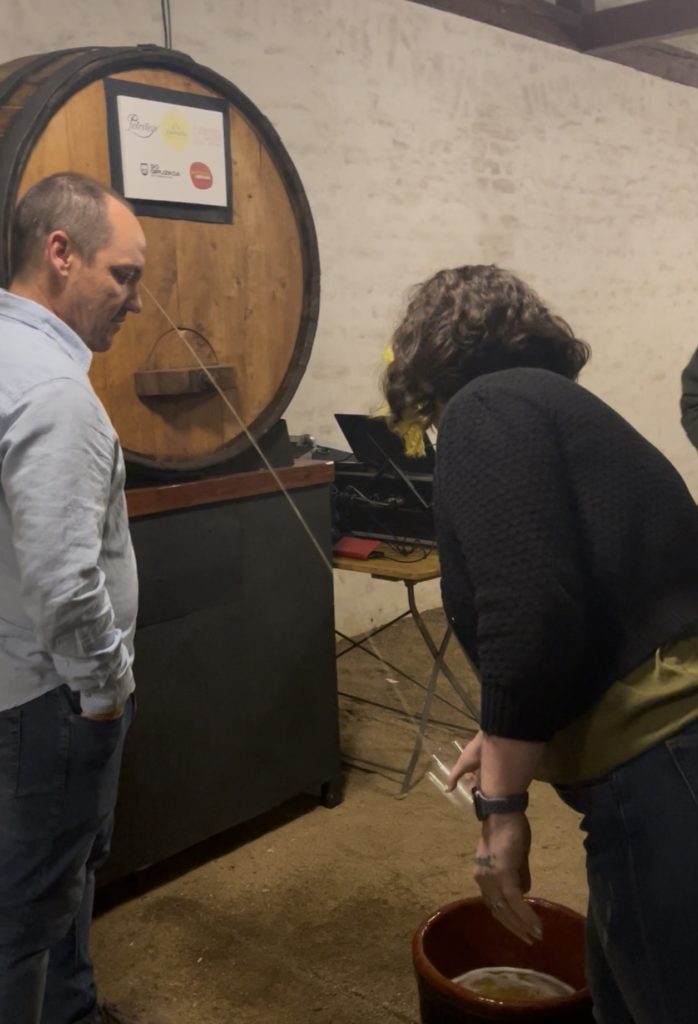


Day 2 was the Cider World Forum, Cider World Preview, and CiderWorld Awards. The forum of education mini-sessions, held in a state-of-the-art movie theater on the top floor of a mall, featured The Heritage of Sagardoa, Marketing Standards: A European Definition of Cider, The Nordic Way of Selling Cider, Feeding Yeast for a Better Cider, and I was able to deliver an interactive presentation on Effective Cider and Food Pairing. Each presentation was delivered by an expert in their field, and you could tell that each speaker put real thought and attention into their presentation. They were both informative and engaging.
The Cider World Awards were a sight to behold! A stunning opening video gave way to cheers and hugs as awards were received for bronze, silver, and gold medal-winning ciders from around the globe. Having the opportunity to taste the award-winning ciders at the Cider World preview made this medal experience so meaningful for both the winners and the attendees. The most anticipated award came last, with its own teaser video that brought tears to many eyes. Tears of joy for the well-earned “Cider Star of the Year” Haritz Rodríguez. I am honored to work with such a talent and was so elated for him to receive this award.


Day 3 started with a Certified Pommelier™ Exam and led right into the Cider World Expo at the beautiful Gesellschaftshaus Palmengarten. The expo gave cidermakers time to share their products with buyers, trade, and the general public, building excitement for cider throughout the city.
A huge thank you to Cider World for having me for the first time this year. What a joy to share cider education with the world and to continue to strengthen the bonds of the community of the World of Cider.
Congratulations to the 2026 World Beer Cup® Cider Winners!


The American Cider Association extends its congratulations to all of this year’s cider medalists recognized at the 2026 World Beer Cup® in Philadelphia. We’re proud to see cider represented on one of the industry’s biggest craft beverage stages and celebrate the producers continuing to raise the bar for quality and innovation.
Often referred to as the “Olympics of Beer,” the World Beer Cup has grown into one of the most respected beverage competitions in the world since its launch in 1996. Organized by the Brewers Association, the competition brings together thousands of entries from producers across the globe, recognizing excellence in brewing and fermentation through a rigorous blind judging process. While beer remains the centerpiece of the competition, cider categories have become an increasingly important showcase for the quality, creativity, and technical skill emerging from today’s cider industry.
This year’s winners reflect the remarkable diversity of cider, including the whole spectrum of tanninic expression and several innovative fruit-forward and specialty styles. Recognition at the World Beer Cup® not only highlights individual achievement, but also helps elevate cider’s visibility within the broader beverage alcohol landscape.
The ACA applauds all of the cideries that submitted entries this year and extends special congratulations to the medalists listed below.
Tannic Cider – 14 Entries
- Gold: Classic Dry, Gowan’s Heirloom Cider, Philo, CA
- Silver: 1876, Gowan’s Heirloom Cider, Philo, CA
- Bronze: Excelsior Imperial Apple, Schilling Cider, Auburn, WA Category:
No/Low-Tannin Cider – 39 Entries
- Gold: Gravenstein, Gowan’s Heirloom Cider, Philo, CA
- Silver: Cosmic Crisp, 2 Towns Ciderhouse, Corvallis, OR
- Bronze: BrightCider, 2 Towns Ciderhouse, Corvallis, OR
Fruited Cider – 52 Entries
- Gold: Moon Berries, Schilling Cider, Auburn, WA
- Silver: Excelsior Imperial Blackberry, Schilling Cider, Auburn, WA
- Bronze: Small Batch Guava, Coronado Brewing Co., San Diego, CA
Botanical or Spiced Cider – 24 Entries
- Gold: Spiced Apple, Gowan’s Heirloom Cider, Philo, CA
- Silver: Basil Mint, Seattle Cider Co., Seattle, WA
- Bronze: Ginger Cider, Hard Candy Cider, Nanjing, China
Experimental, Barrel-Aged or Specialty Cider – 14 Entries
- Gold: The Bad Apple, 2 Towns Ciderhouse, Corvallis, OR
- Silver: Mango Habanero, Papa Moon Ciders, Scottsbluff, NE
- Bronze: BA Cider, Mojave Brewing Co., Henderson, NV
Pick Cider for National Cocktail Day
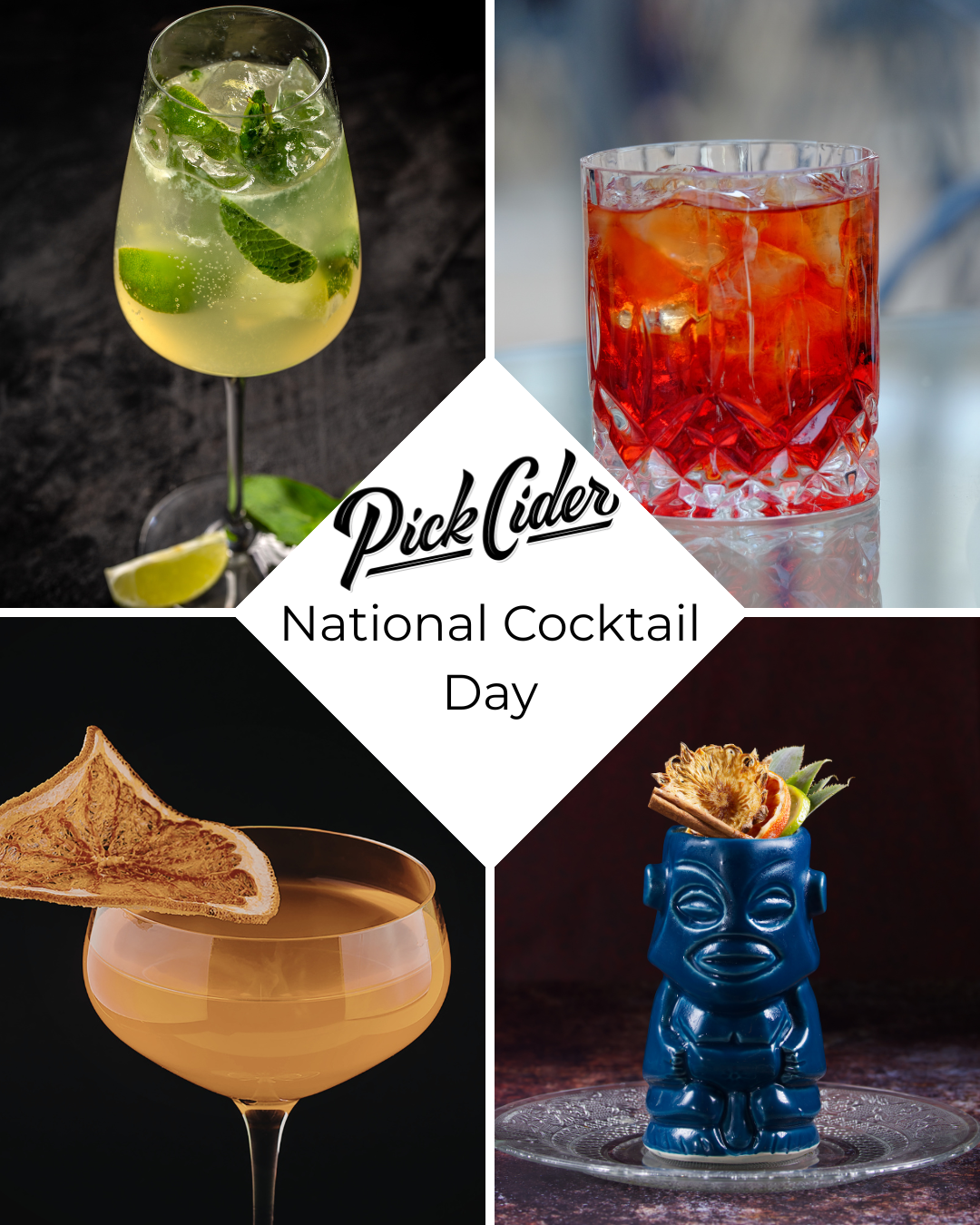
Celebrate National Cocktail Day with a Cider Twist
National Cocktail Day is the perfect excuse to shake things up, and if you are not reaching for cider, you are leaving serious flavor on the table. Cider brings acidity, tannin, and fruit complexity that most cocktails are missing. It plays well with spirits, lifts aromatics, and gives you a lighter, more dynamic drink.
If you care about balance and drinkability, cider cocktails are not a gimmick. They are a smart upgrade.
Jennie Dorsey, author of Cider Paired and Plated shares four cider-forward cocktails that hit classic templates with a fresh orchard-driven edge.
Cider Negroni
A riff on the iconic Negroni, this version softens bitterness and adds layered apple character.
Ingredients
- 1 oz gin
- 1 oz sweet vermouth
- 1 oz bitter aperitivo (like Campari)
- 2 oz dry, tannic cider
Instructions
- Add gin, vermouth, and aperitivo to a mixing glass with ice.
- Stir until chilled.
- Strain over a large cube in a rocks glass.
- Top with cider.
- Garnish with an orange peel.
Why it works
The cider stretches the drink, rounding bitterness while adding structure. Choose a dry, high-tannin cider with enough acid to keep it lively.
Cider Hugo Spritz
A cider-driven take on the alpine classic Hugo Spritz. Bright, floral, and dangerously easy to drink.
Ingredients
- 1 oz elderflower liqueur
- 3 oz semi-dry cider
- 2 oz sparkling water
- Fresh mint
- Lime wheel
Instructions
- Fill a wine glass with ice.
- Add elderflower liqueur and cider.
- Top with sparkling water.
- Gently stir.
- Garnish with mint and lime.
Why it works
Cider replaces prosecco with more depth and less overt sweetness. The apple and elderflower combination feels natural, not perfumed.
Orchard Tiki Punch
A cider-based tropical build inspired by Tiki cocktails. This is where orchard meets island.
Ingredients
- 1 oz dark rum
- 1 oz overproof rum
- 2 oz pineapple juice
- 1 oz fresh lime juice
- 1 oz cinnamon syrup
- 3 oz semi-dry cider
- 2 dashes Angostura bitters
Instructions
- Add all ingredients except cider into a shaker with ice.
- Shake hard.
- Pour into a tiki glass or highball with crushed ice.
- Top with cider.
- Garnish with mint, pineapple frond, or grated nutmeg.
Why it works
Cider adds acid and structure that tiki drinks often lack, keeping the sweetness in check while amplifying fruit.
Apple Lychee Martini
A modern orchard-tropical hybrid built off the structure of a Lychee Martini. Clean, aromatic, and elegant.
Ingredients
- 2 oz vodka
- 1 oz lychee liqueur or lychee syrup
- 1 oz fresh apple cider (unfiltered if possible)
- 0.5 oz lemon juice
- 1 oz dry sparkling cider
Instructions
- Shake vodka, lychee, apple cider, and lemon juice with ice.
- Strain into a chilled coupe.
- Top with cider.
- Garnish with a lychee or thin apple slice.
Why it works
Lychee brings floral sweetness, while cider sharpens and lifts the drink
Final Thoughts
If you are serious about cocktails, cider deserves a permanent place on your bar. It is not just a substitute, it is a tool. Acid, tannin, carbonation, and fruit, all in one ingredient.
Start here, then push further. Swap styles, test sweetness levels, explore cider’s base elements, and its many possible additions. That is where things get interesting.
Discover more about cider cocktails with Cider Paired and Plated: The Art of Food and Cider Pairing.
May 13th Certified Pommelier™ Exam at GLINTCAP


TAKE THE CERTIFIED POMMELIER™ EXAM AT GLINTCAP on MAY 13th, 2026!
Are you ready to take the next step in your professional development in the cider industry?
If you have already passed the Level 1 Certified Cider Guide™ exam and are looking for that next challenge? Now is your chance!
The American Cider Association is pleased to announce that a Certified Pommelier™ Exam will be held at GLINTCAP 2026 in Grand Rapids, Michigan. The exam will take place on Wednesday, May 13th, 2026. The exam will begin promptly at 9:00 AM.
*Level 1 Certified Cider Guide™ certification is a prerequisite for taking the Certified Pommelier™ Exam. (Haven’t taken your Level 1 Certified Cider Guide Exam™? Buy the bundle here! ACA Member discounts for Level 1 are available in the Resource Hub.)
There’s a discount code available for ACA members for the Certified Pommelier™ Exam. You can find that code in our Resource Hub.
WHAT IS THE CERTIFIED POMMELIER™ EXAM?
The American Cider Association’s mission is to grow a diverse and successful cider industry by providing valuable information, resources and services to our members and by advocating on their behalf. One way to fulfill this mission is through the Certified Cider Professional™ Program, a program aimed at educating the front-line of cider hospitality (distributors, retailers, bartenders and more!) while also welcoming journalists and serious cider enthusiasts.
The exam for the introductory level certification, Certified Cider Guide™ (CCG), is an online test that can be taken at any time. The exam for the more advanced second level of certification, Certified Pommelier™, is only available in person. The exam consists of two parts, a written theory exam comprising short answer and essay questions and a blind sensory evaluation of a number of ciders. Passing the introductory level exam is a mandatory prerequisite to sitting for the Level 2 Certified Pommelier™ exam.
Certified Pommeliers™ must have a fundamental understanding of all topics covered at the introductory level, but must also be able to think critically and demonstrate a deeper understanding of cider and the cider industry.
The topics covered in the exam are:
- Apples, the Orchard & History
- Cider Making
- Flavor & Evaluation
- Cider Families
- Keeping & Serving
- Food & Cider
- Social Responsibility
The exam is meant to be challenging. The only information necessary for successfully passing the theory section of the exam is contained in the Certified Pommelier Study Guide available on Amazon. To study for the evaluation section of the exam, candidates should consider attending one of the sensory analysis videos available through the ACA’s website or attend one of the regularly scheduled webinars. Access to pre-recorded webinars and registration for upcoming live webinars is available directly through our website.
WHY BECOME A CERTIFIED POMMELIER™?
Cider is a beautifully nuanced beverage that is less well understood by most consumers. Having the knowledge and skills required to become a Certified Pommelier will equip you to better serve customers, enhance your standing in the beverage community, and give you a unique and valuable professional qualification. Being recognized as a Certified Pommelier™ will put you in the vanguard of advanced cider specialists in this ever growing category.
HOW MUCH DOES THE TEST COST?
The registration fee for the exam is $350. Current members of the ACA can register at a discounted price of $250 by using the discount code that can be found here. If a candidate sits for the exam but does not pass either section, or only passes one of the two sections, theory or sensory evaluation, they can resit for the section of the exam that they did not pass at a future date. The fee for retaking the exam is $175 for non-members and $125 for current members of the ACA.
Read Terms & Conditions before registering.
WHAT MATERIALS ARE AVAILABLE TO STUDY FOR THE EXAM?
- The Certified Pommelier™ Study Guide is available directly through Amazon. It is also available at all of Amazon’s international sites.This is the official study guide for the second level of the American Cider Association’s professional certification program. It contains all of the information needed to study for and pass the examination. No other reference materials are required.
- There is also a dedicated Facebook Group (that is open for all to join) with prep materials and in-depth peer conversations that many candidates have found useful.
- Sensory evaluation is an important part of being a Certified Pommelier™ which is why we test your ability to accurately analyze the structural components, aromas, and flavors of a variety of ciders. In order to aid in the development of your sensory evaluation skills and understand the approach to testing them, we have several pre-recorded videos available for purchase. In addition, we host several live sensory analysis webinars each year. You can access the videos and look for scheduled webinars here.
FREQUENTLY ASKED QUESTIONS
(Download the Frequently Asked Questions document.)
Are there ID or minimum age requirements to sit for the event? YES. You must be of legal drinking age in the country where you sit for the exam, and when checking in at the exam you must provide a photo ID that will both verify your age and identity.
When will we receive our graded exams? Exams are not returned to candidates, however you will be notified as to whether or not you have passed about 6 weeks from the exam date. If you did not pass a section of the exam, you may request a breakdown of your points by general topic to help you identify areas in which you could improve your score should you wish to retake the exam.
What is the grade needed for passing? 60% of the possible points for sensory evaluation and 70% for theory
Is there a tasting section on the test? Yes. You will be asked to evaluate six ciders in two flights, one flight that assesses your ability to distinguish between key structural elements and a second where you are asked to complete a full evaluation of three ciders using the Structured Sensory Analysis format. The possible aromas and flavors document will be supplied for use during the exam.
How long does the test take? You are given 2 hours to complete the theory section of the exam and 1 hour and 15 minutes to complete the sensory evaluation section. There is a 15 minute break in between sections.
Is it ok if the name on my ticket or registration doesn’t match the person who attends? Registrations are not transferable, so the name on the I.D. presented when checking in for the exam must match the name on the registration.
What happens if I cannot attend my registered exam? Please see Exam Rescheduling, Timelines and Fees in the Terms and Conditions Document for full details. If you do need to cancel your registration, exam registration fees can be refunded up to 14 days before the exam. Please note that a $25 administration fee applies to any cancellation.
When can I register for the exam? Exam registration is open until 14 days before the posted exam date.
How can I contact the organizer with any questions? Please contact Director of Education Jennie Dorsey at jennie@ciderassociation.org.
What can I bring into the event? Bringing a personal water bottle is recommended for both sections of the exam. Cell phones, smart watches, computers, books or papers, and any and all other personal items must be left at a designated storage area in the exam room. Pencils will be provided, and spare paper will be available on request. Spit cups, and water will be provided during the evaluation exam. We encourage you to bring your own water bottle for the theory exam. Please contact Director of Education Jennie Dorsey at jennie@ciderassociation.org prior to registering for the exam if you wish to request special accommodations.
Is the Certified Pommelier™ Exam available in my area? Certified Pommelier™ exams are held periodically throughout the year and in a variety of locations. Please check our current exam schedule to find an exam suitable for you.
How many Certified Pommeliers™ are there currently? You can find the current number of Certified Pommelers here.
Do I need to pass the Certified Cider Guide™ exam to take the Certified Pommelier™ exam? Yes. Passing the introductory exam to become a Certified Cider Guide™ is a prerequisite. If you have not yet taken this exam, you can purchase a package which includes an instructional video, study guide, and access to an online exam HERE.
May 7th Taste Cider Like a Pro: Sensory Workshop at Parallel 49 Brewing

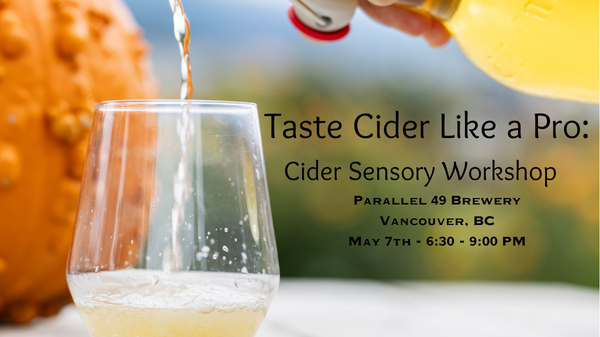
Join us at Parallel 49 Brewery in Vancouver BC on May 7th, 2026!
Join us for a sensory deep dive into the world of cider and learn to taste cider like a pro! Whether you’re preparing for the Certified Pommelier™ exam or just curious how pros taste cider, this immersive, hands-on session will give you the tools to sip and share with confidence. You’ll learn how to detect flavors, spot faults, and describe cider like a seasoned cider professional. Walk away prepared for your exam, or to wow your friends with a sharper palate and a deeper love for the world’s most diverse fermented beverage.
Price: $45 Non-members, $35 ACA members (Member Discount can be found in the Resource Hub)
Looking to purchase your ticket in CAD? Check out the event on Eventbrite!
Location: 1950 Triumph St. Vancouver, BC
Schedule:
- Welcome & Introduction (10 min)
- Part 1: Foundations of Sensory Tasting (25 min)
- Part 2: Structured Tasting Practice (60 min)
- Part 3: Identifying/Understanding Common Cider Faults (20 min)
- Part 4: Elevate Your Tasting Vocabulary (15 min)
- Wrap-Up + Q&A (20 min)
Introducing the ACA Advocacy Alliance

The American Cider Association is proud to announce the launch of the ACA Advocacy Alliance — a focused initiative designed to strengthen and expand cider’s voice in Washington, DC and beyond.
As our industry grows and evolves, so do the policy conversations that shape its future. From tax treatment and regulatory modernization to category definition and market access, cider must be represented clearly, consistently, and strategically. The ACA Advocacy Alliance was created to meet that moment.
A Shared Investment in Cider’s Future
The Alliance is made possible through the investment of a group of progressive producers who recognize that meaningful policy engagement requires sustained attention and dedicated resources.
This model allows advocacy efforts to scale responsibly while ensuring that the broader ACA membership benefits from stronger representation and increased momentum at both the federal and state levels. It is a shared investment approach, one that supports focused action while strengthening the entire category.
The initiative is managed by Jenn Root Martell, ACA Government Affairs Director, in close coordination with the ACA Government Affairs Committee. Together, they will guide strategy, outreach, and execution across priority issues affecting cider producers nationwide.
Early Momentum
Momentum is already building.
- The ACA will engage Washington, DC–based lobbying firm PACE, LLP to support federal strategy and congressional engagement.
- Outreach is underway with key champions to explore updating federal cider definition language through a revised “Bubble Bill,” creating a more cohesive and impactful legislative package that better reflects today’s cider market and brings fruited cider parity on many levels.
- We are developing a member poll to collect TTB labeling issues to present before the agency later this Spring.
This effort represents a significant opportunity to modernize policy in ways that support producers of all sizes while positioning cider for long-term growth.
Committed Alliance Supporters
We are grateful to the producers who have already stepped forward to support this initiative:
- Angry Orchard/Boston Beer Company
- 2 Towns Ciderhouse
- Schilling Cider
- Blake’s Hard Cider
- Ciderboys
- Beak & Skiff Apple Orchards/1911 Established
- Vermont Cider Company
- Portland Cider Company
Their leadership reflects a belief that proactive advocacy is essential to protecting and expanding opportunity for the entire cider category.
Join the Effort
The ACA Advocacy Alliance is designed to grow. As more producers participate, our collective voice becomes stronger, more credible, and more effective. If you are interested in supporting this effort or would like to learn more about how to get involved, please contact Jenn Root Martell at jenn@ciderassociation.org.
The future of cider will be shaped by those who show up. We’re excited to build it together.
CiderCon® 2026 in photos
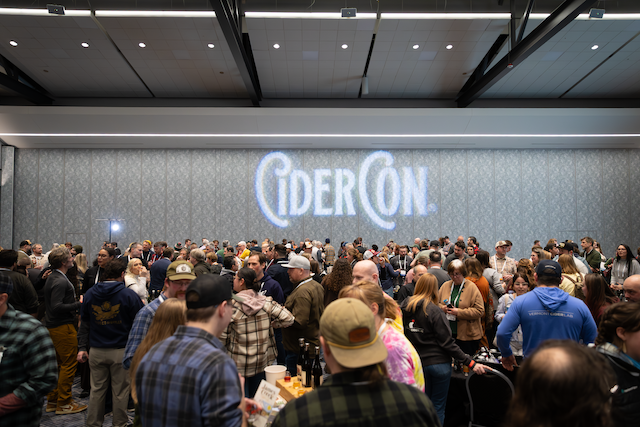
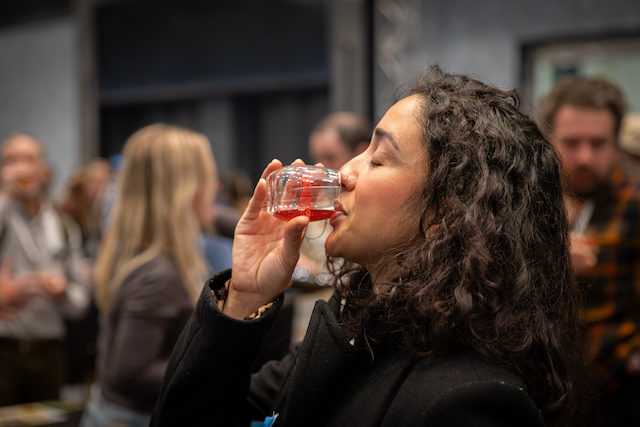
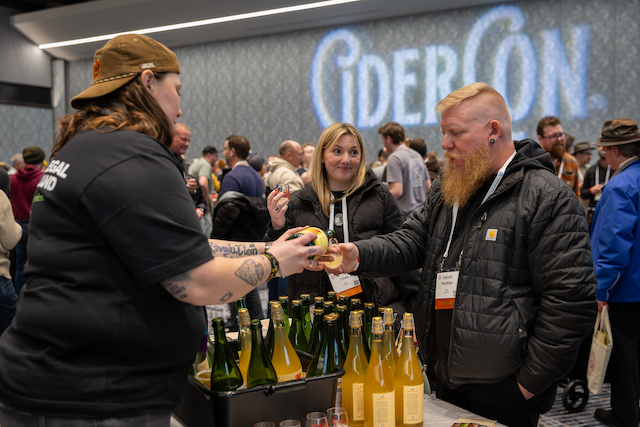
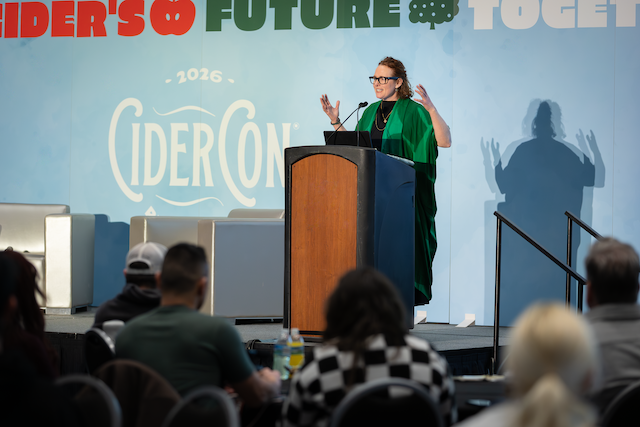

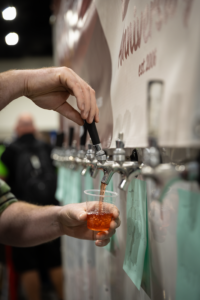
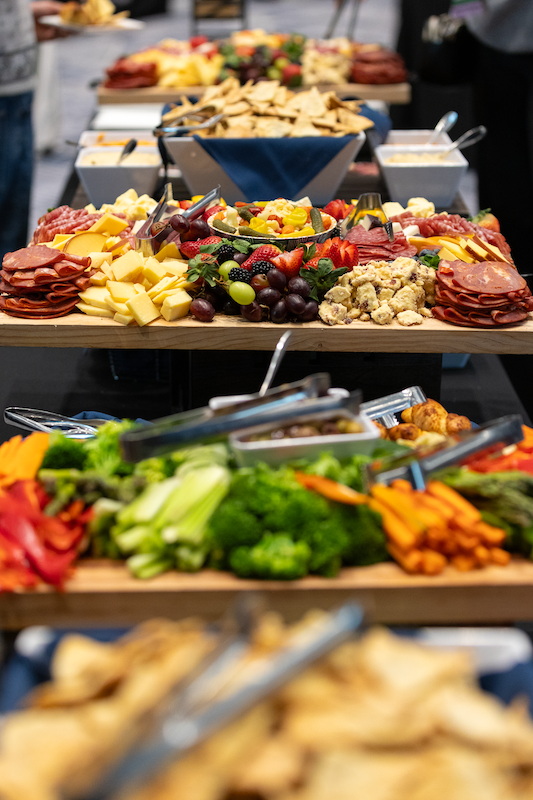

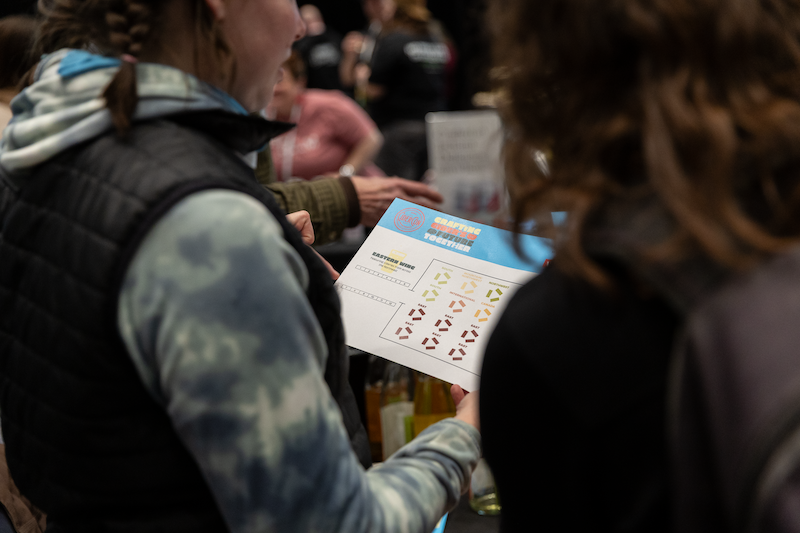
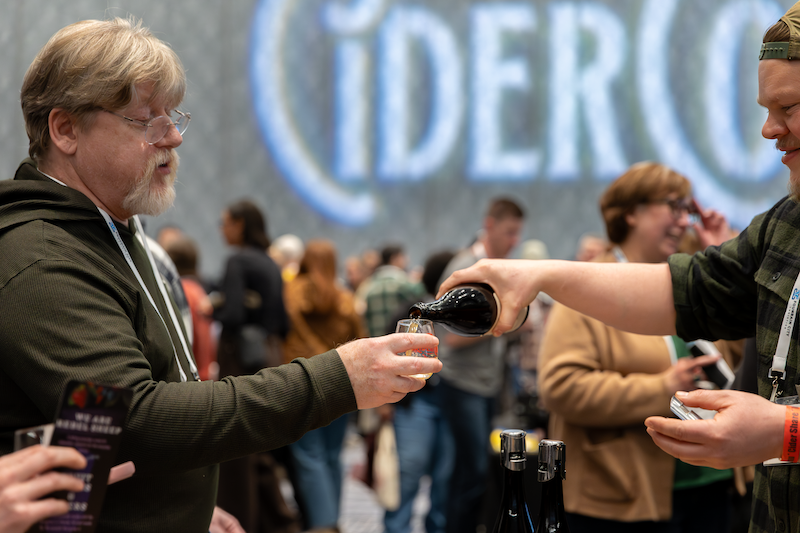
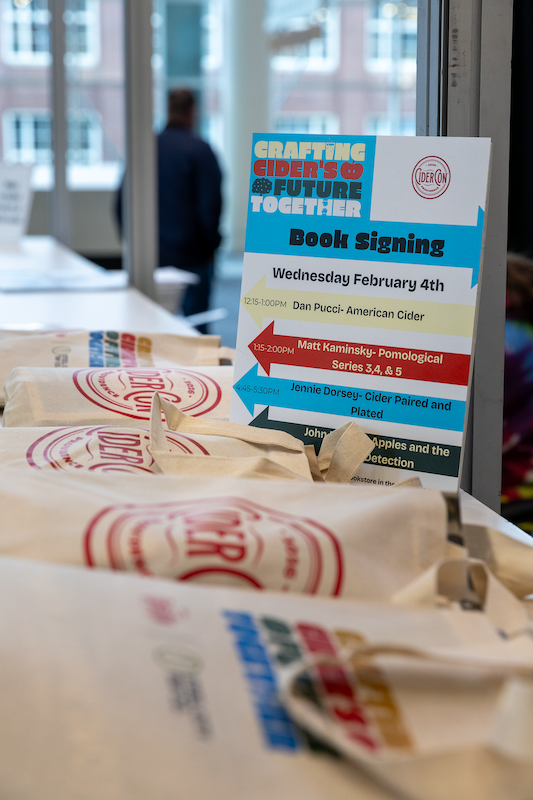
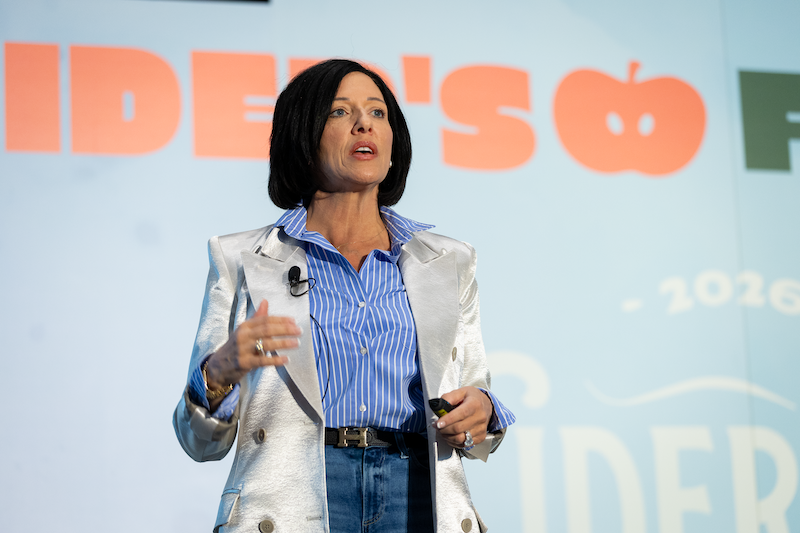
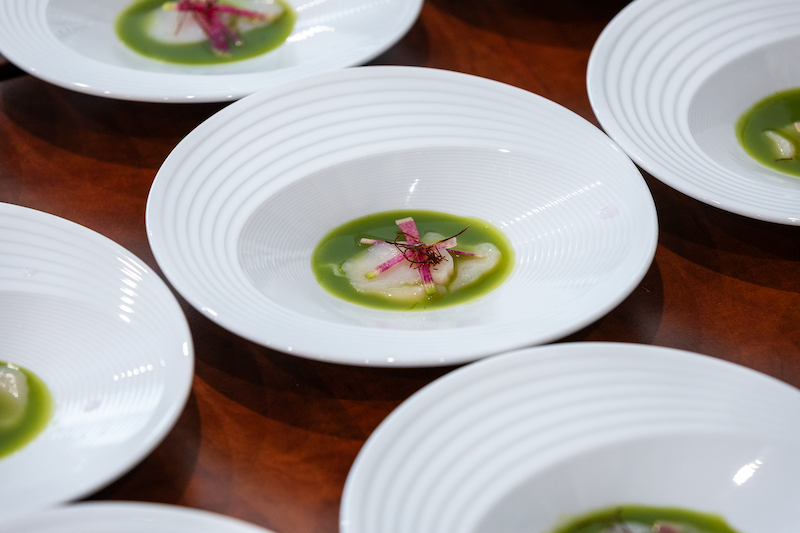
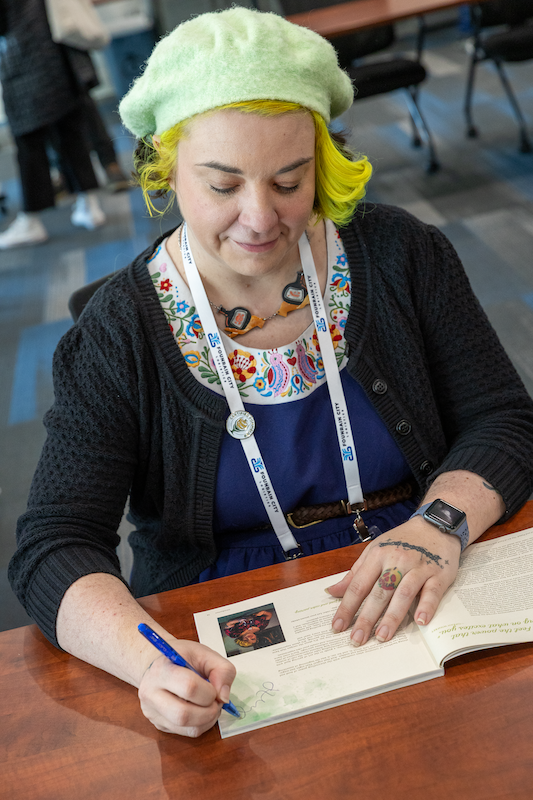
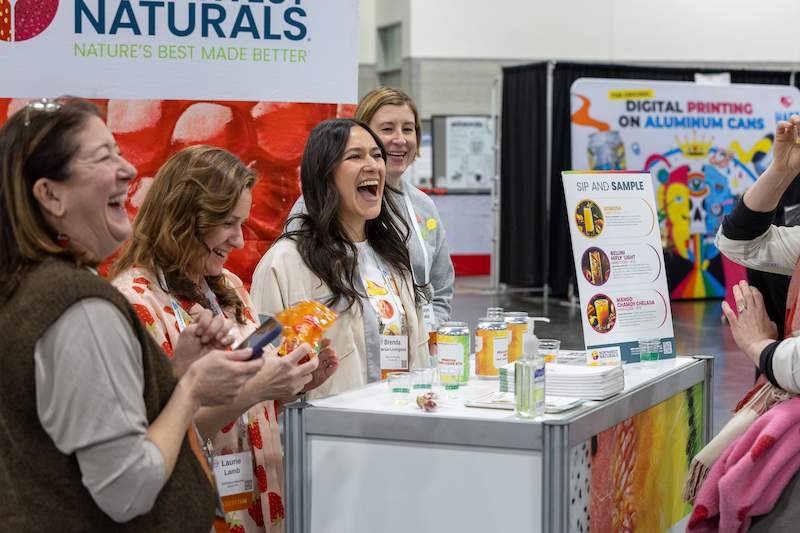
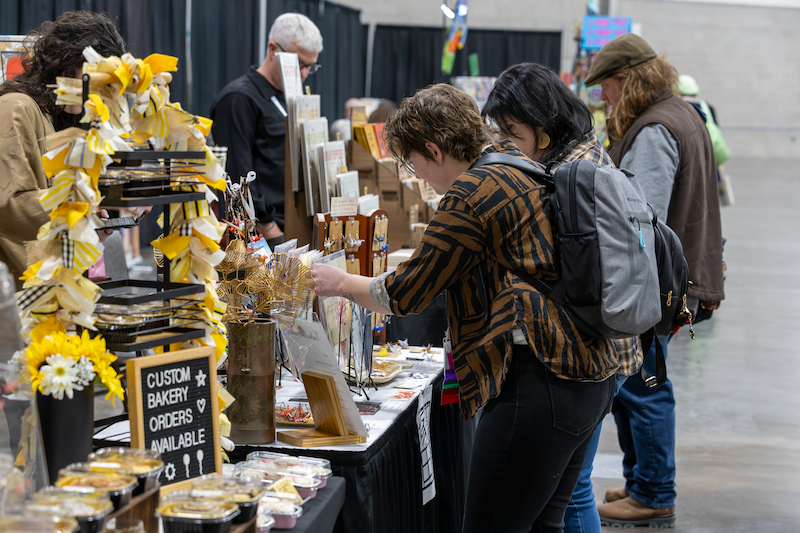
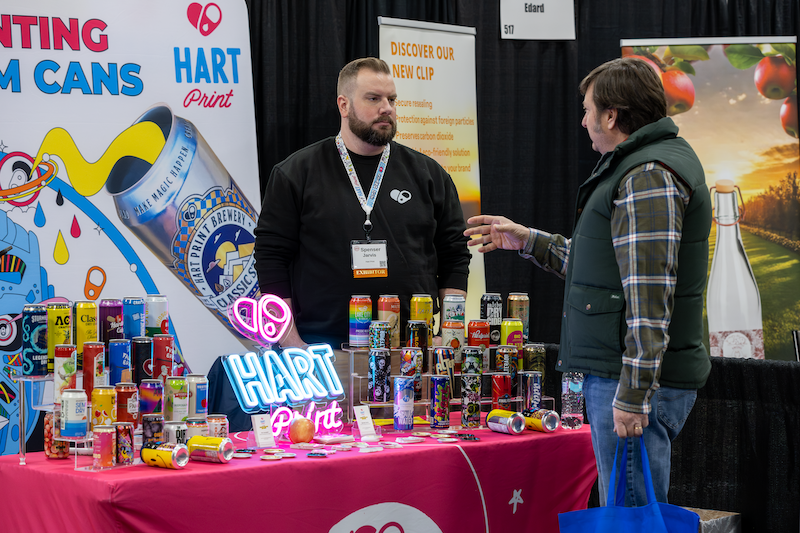
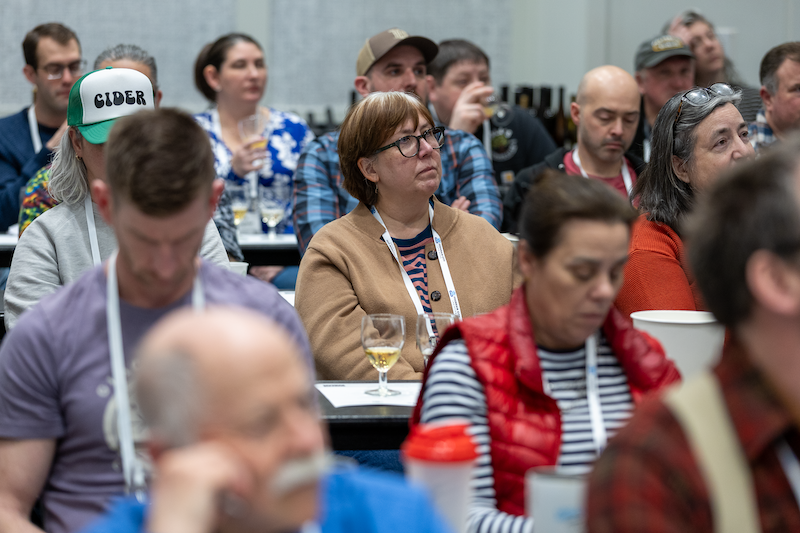
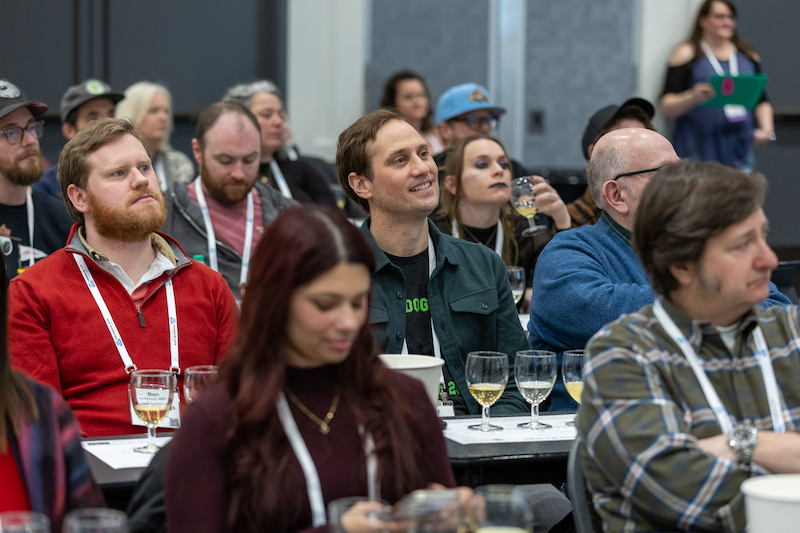
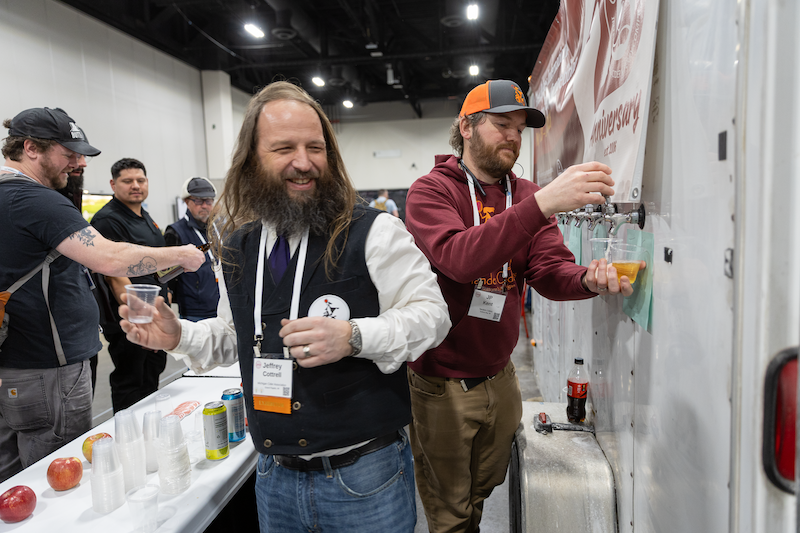
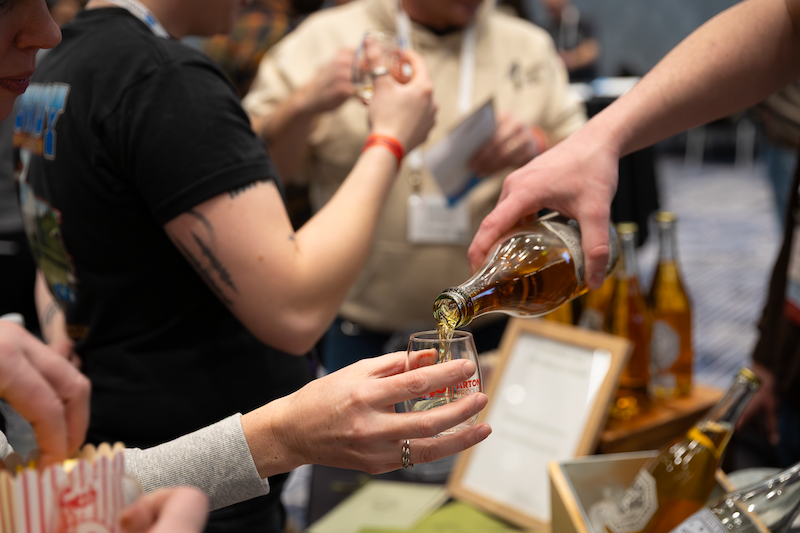
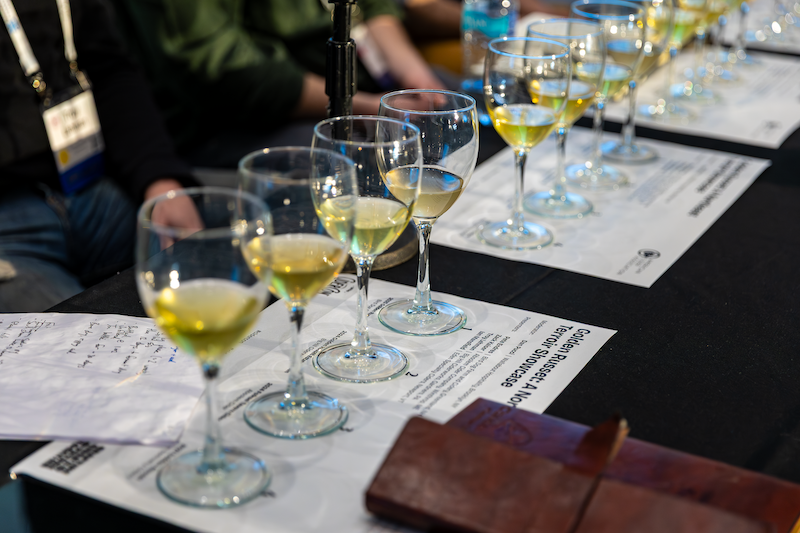
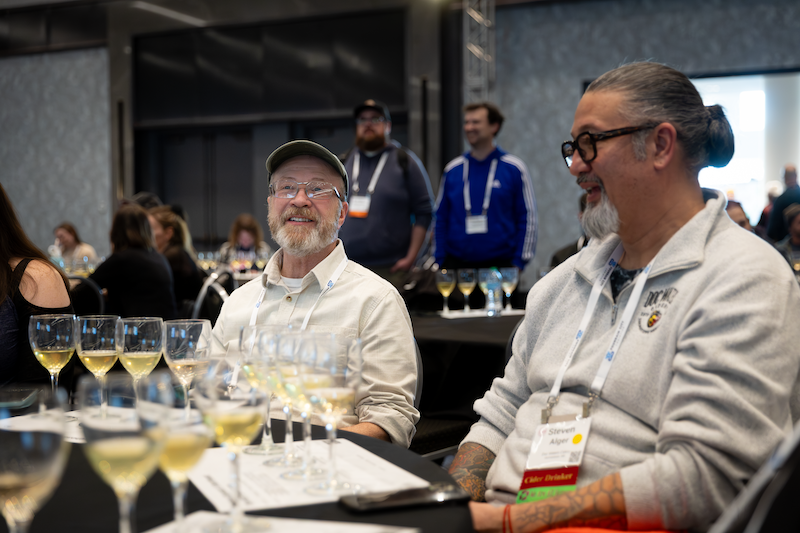
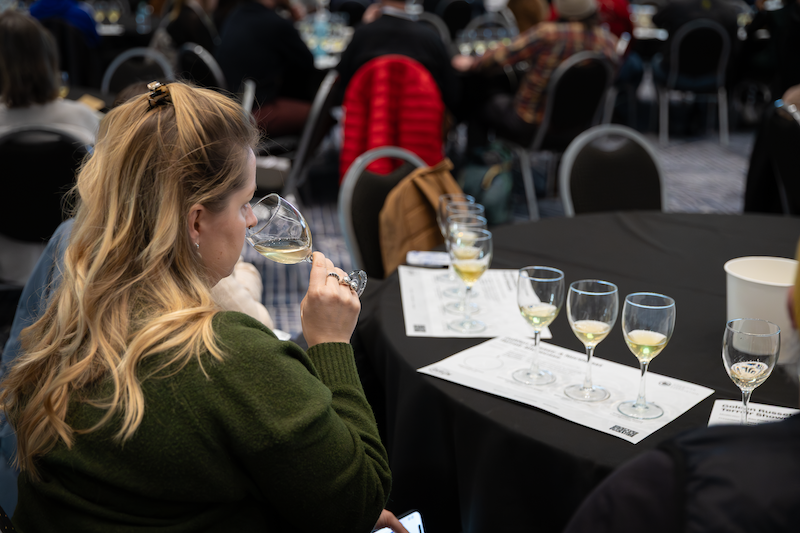

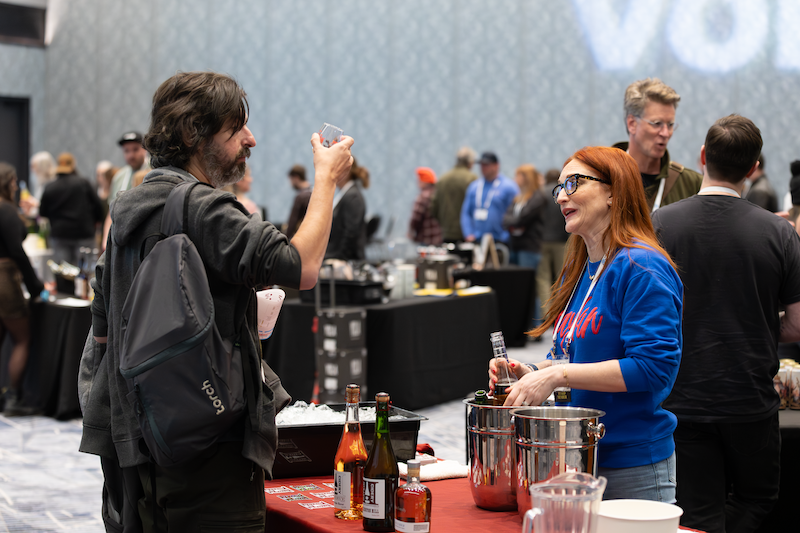
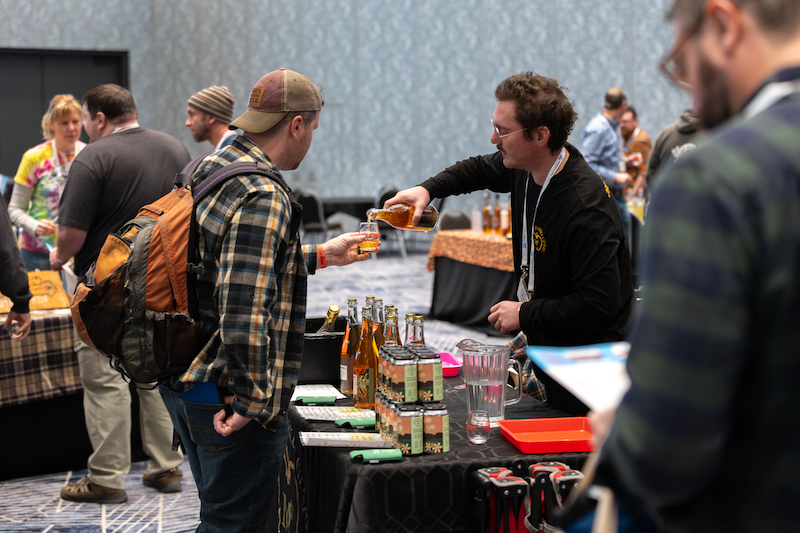
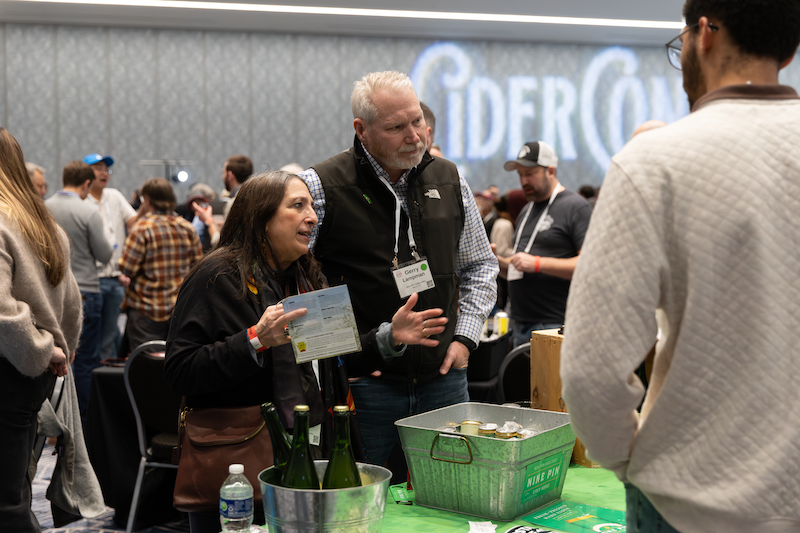
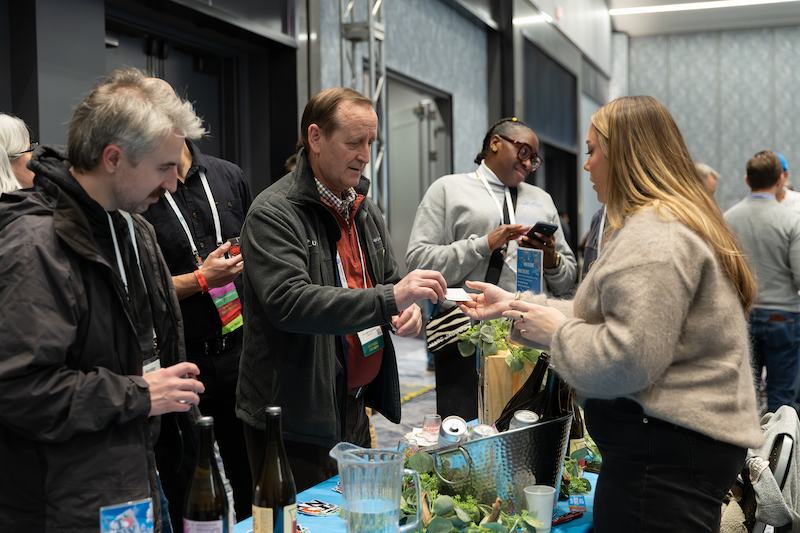
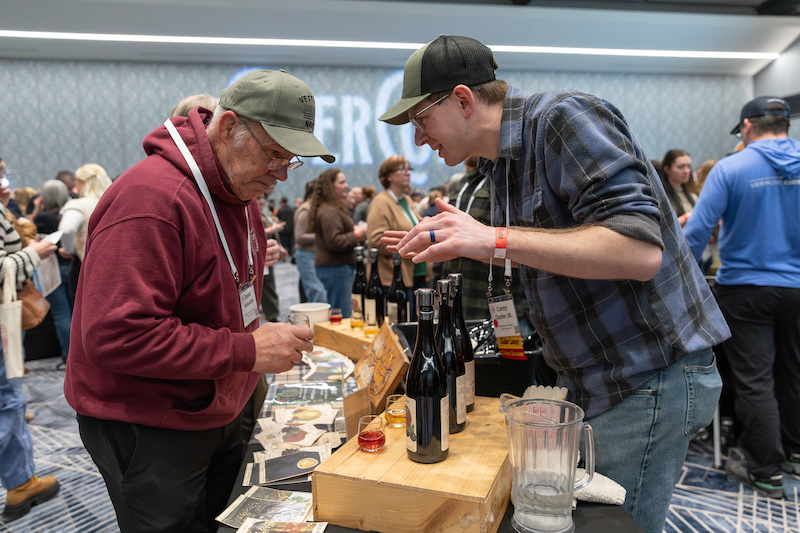
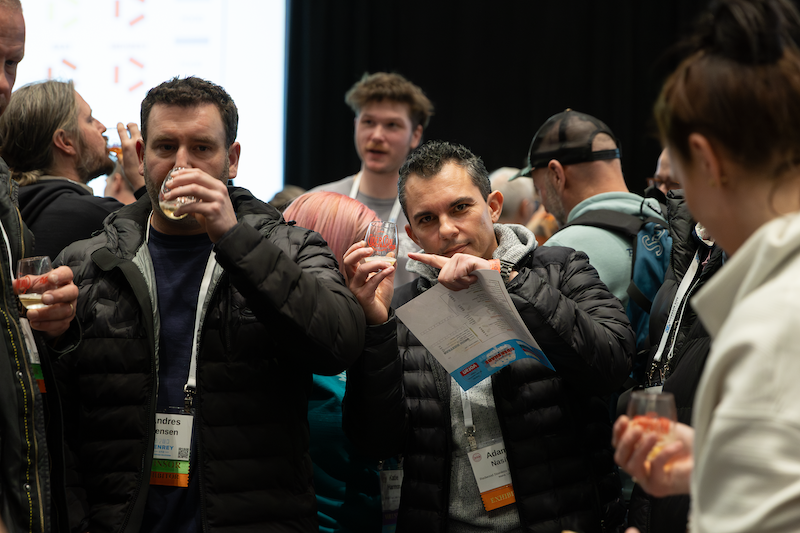
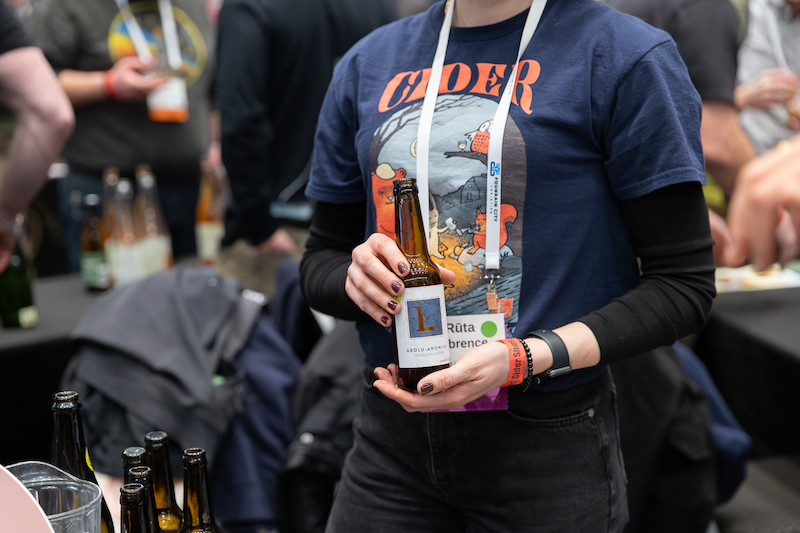
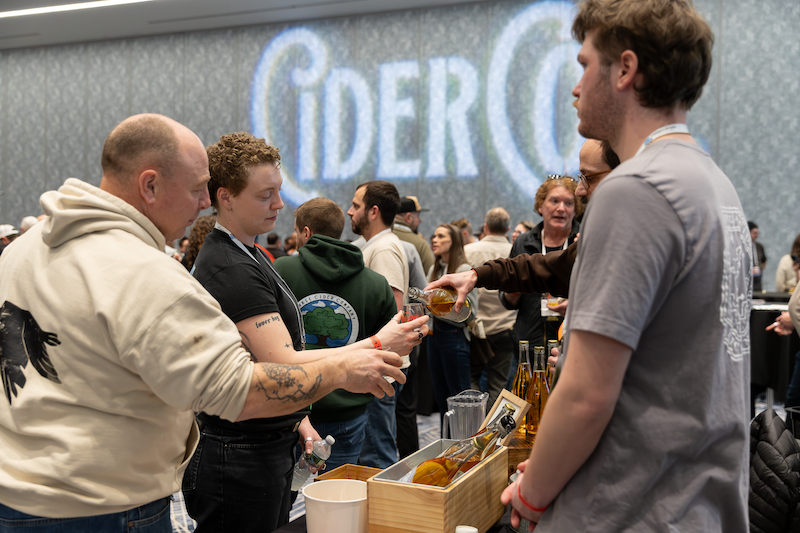
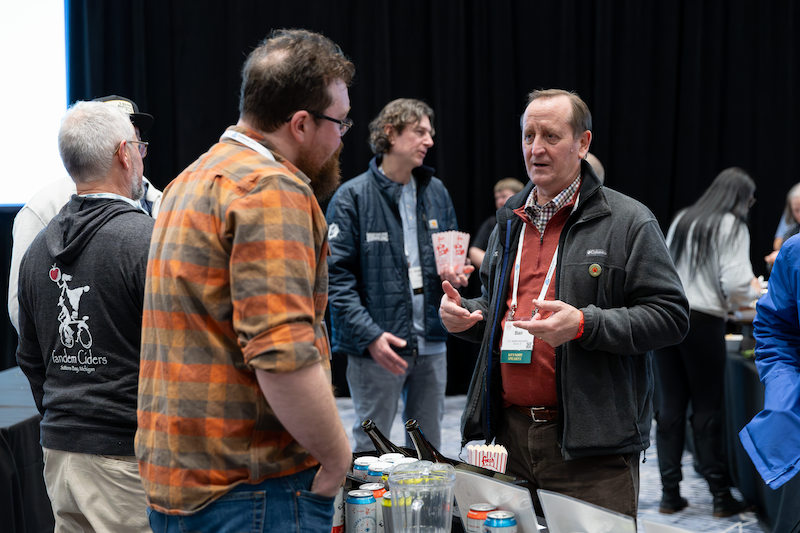
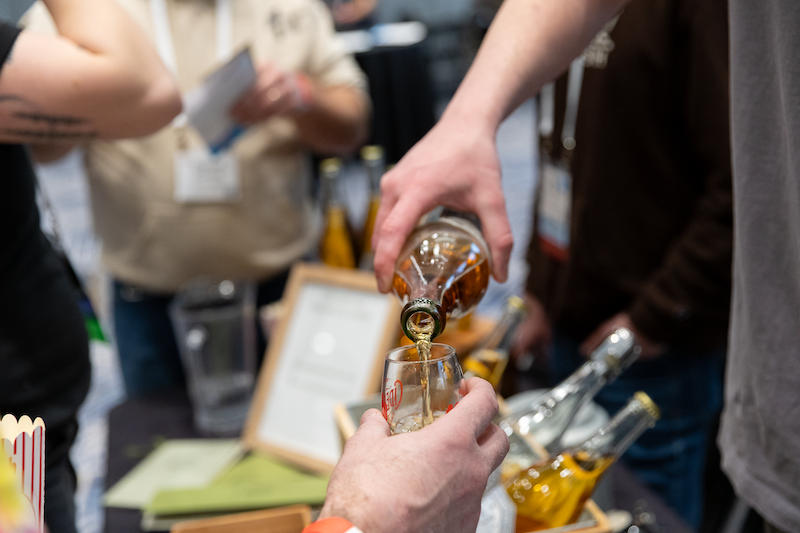
Do you have amazing photos from CiderCon® 2026 you would like to share? Please email jennie@ciderassociation.org
Rolling Out Pressing Matters: ACA Educational Webinar Series


One of the most consistent pieces of feedback we hear after CiderCon® is that the learning shouldn’t stop when the conference ends. While the annual gathering remains a cornerstone of our community, we know many cider professionals are looking for more opportunities to stay connected, ask questions, and keep building their knowledge throughout the year.
Starting this April, the American Cider Association is launching a new monthly webinar series designed to bring practical education to cider makers and industry professionals year-round.
Held on the Second Thursday of each month at 11:00AM PT/2:00PM ET, these live sessions will feature expert speakers, practical topics, and opportunities for Q&A. Each webinar will also be recorded and archived, creating a growing library of resources that members can access anytime.
For ACA members, the webinars will be available for $5 per session, while non-members can participate for $20. This also gives unlimited access to the recorded material in perpetuity.
Because the TTB could not join us in Providence this year, our webinar series will kick off with a FREE two-part program focusing on regulatory essentials for cider producers and including much of the content the team would have brought to CiderCon®. *Due to the evolving nature of regulatory guidance, these webinars will not be recorded.
April 9th, 2026
TTB Bootcamp Part 1: Labeling and Formulas
A practical guide to navigating TTB requirements for cider labels and formulas, including when formulas are required, common approval pitfalls, and tips to help producers move through the process more smoothly.
May 14th, 2026
TTB Bootcamp Part 2: Operations Reporting and Taxes
This session will cover key compliance responsibilities for cider producers, including operational reporting, excise tax obligations, and how to stay organized with federal requirements throughout the year.
These first sessions will set the stage for a broader series of monthly programs covering topics across production, orchard management, sales, marketing, policy, and emerging trends in the cider market.
By expanding educational programming beyond the annual conference, the ACA aims to make industry expertise more accessible—especially for members who may not be able to travel to CiderCon® but still want to stay connected to the latest conversations shaping cider.
Registration for the April and May sessions is now OPEN. Register with the links above. This series is designed to grow with the industry. ACA members are invited to suggest topics they’d like to see explored in future sessions. Please email jenn@ciderassociation.org if you would like to submit webinar topic suggestions.
Expanding Cider’s Voice: Board Elections 2026 Results
Each year, the leadership of the American Cider Association reflects the strength, diversity, and ambition of the cider community it serves. At CiderCon 2026 this February, ACA members cast their votes to shape that leadership—re-electing several dedicated directors and welcoming two new voices to the Board of Directors.
We’re grateful to those who continue their service and excited to welcome our newly elected board members, whose experience and energy will help shape the next chapter of cider’s growth nationwide
At-Large Cidery Seats

Re-Elected: Dave Takush, 2 Towns Ciderhouse, Corvallis, OR – Dave Takush is the Head Cidermaker and Co-Owner of 2 Towns Ciderhouse. Dave earned a Master’s Degree in Fermentation Science at Oregon State University and has over fifteen years of experience in the cider industry. His passion for fermentation led him to join two childhood friends in starting 2 Towns Ciderhouse in Corvallis, Oregon. Dave is the current Secretary of the ACA board and serves as board member of the Cider Institute.
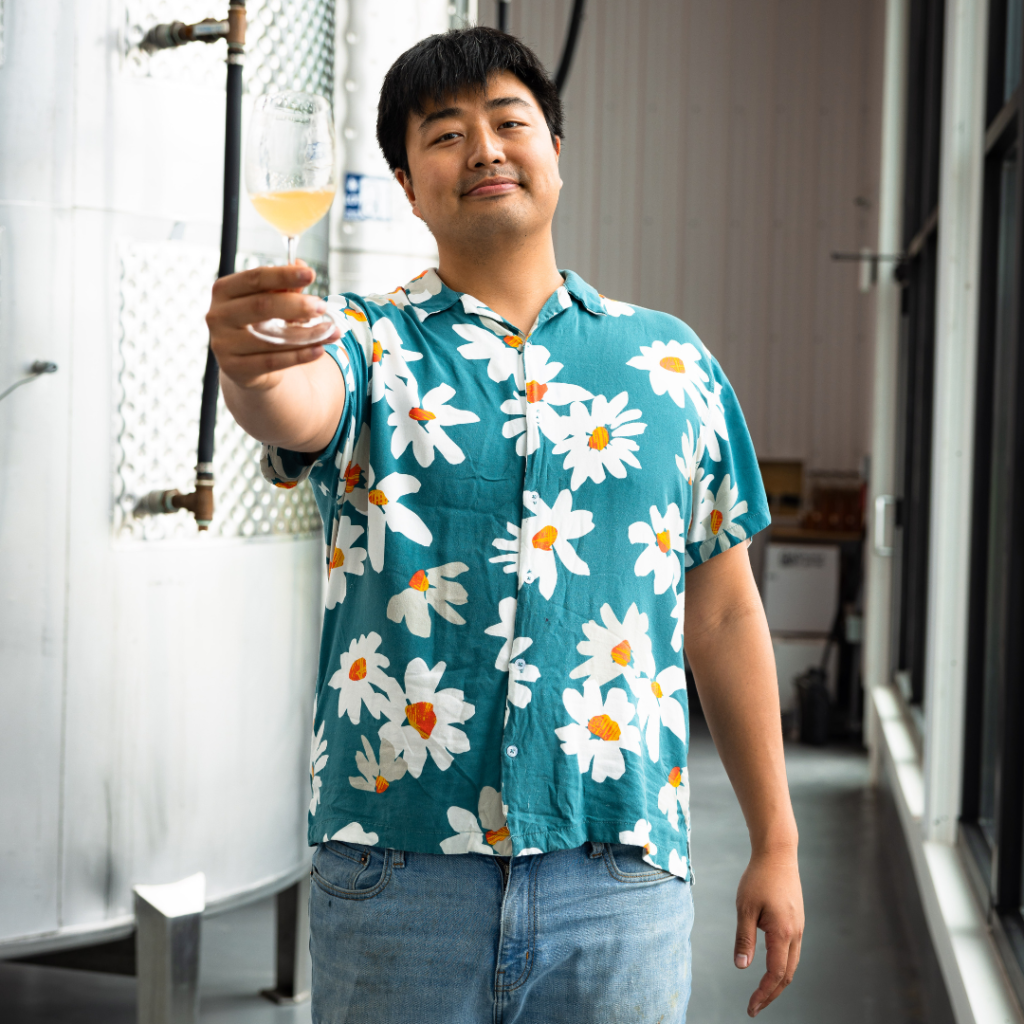
Newly Elected: Richard Yi, Brooklyn Cider House, New Paltz, NY – Richard is the cidermaker for Brooklyn Cider House, bringing ten years of wine industry experience and a degree in winemaking to every part of their production. At Brooklyn Cider House he has helped strengthen operations and support steady growth. He also serves on the board of the New York Cider Association, where he works to advance cider education and support the industry statewide.
Regional Chair – Midwest

Re-Elected: John Behrens, Farmhaus Cider Co. and Farmhaus Farms, Hudsonville, MI – John is a longtime CPA turned Corporate Controller for a Fortune 500 company who discovered there had to be more to life. He started Farmhaus Cider Co. along with his wife 11 years ago on his 150+ year old family homestead. Three years ago they purchased a beloved apple orchard, fruit farm, farm market and bakery in Michigan and he added apple grower to my resume and list of responsibilities.
Regional Chair – Mountain West

Re-Elected: Talia Haykin, Haykin Family Cider, Aurora, CO – Talia Haykin is the co-founder of Haykin Family Cider in Colorado, which she launched with her husband Daniel in 2017 after several years as dedicated home cider makers. Talia oversees operations, finance, compliance, sales, and marketing for the cidery, bringing prior experience as the CMO of large nonprofits and as a professional writer and marketing strategist. She lives in Denver with her husband and their three children, and firmly believes apples are better fermented than paired with peanut butter.
Regional Chair – Northwest
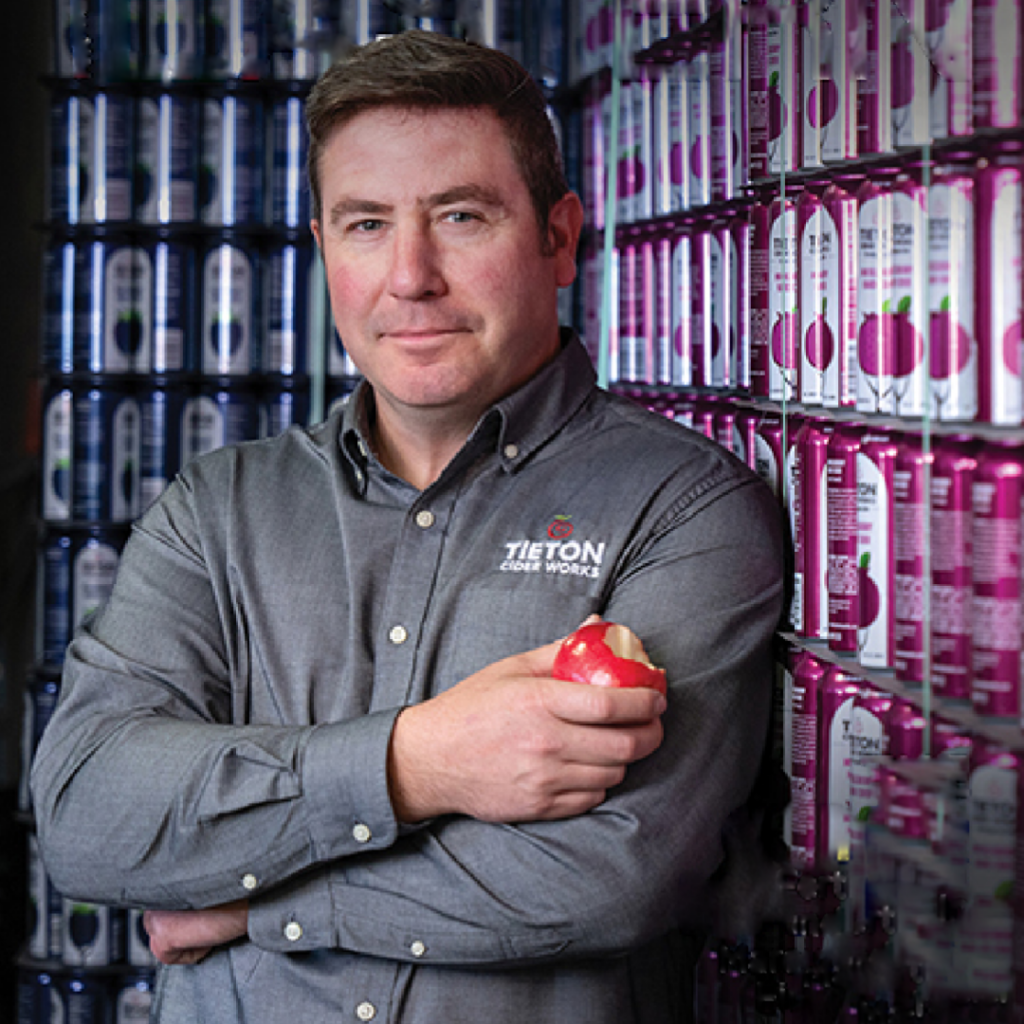
Re-Elected: Marcus Robert, Tieton Cider Works, Yakima, WA – Marcus Robert is President, Cider Maker, and Co-Owner of Tieton Cider Works in Yakima, Washington, and a fourth-generation farmer in the Yakima Valley. With deep roots in agriculture and over a decade of cidermaking experience, Marcus brings a grower-producer perspective to industry leadership. He has served on the American Cider Association Board since 2017, representing the Northwest region and advocating for fair regulation, education, and sustainable growth. Marcus is committed to strengthening the cider community and supporting producers of all sizes through thoughtful, practical leadership.
Large Cidery Seat
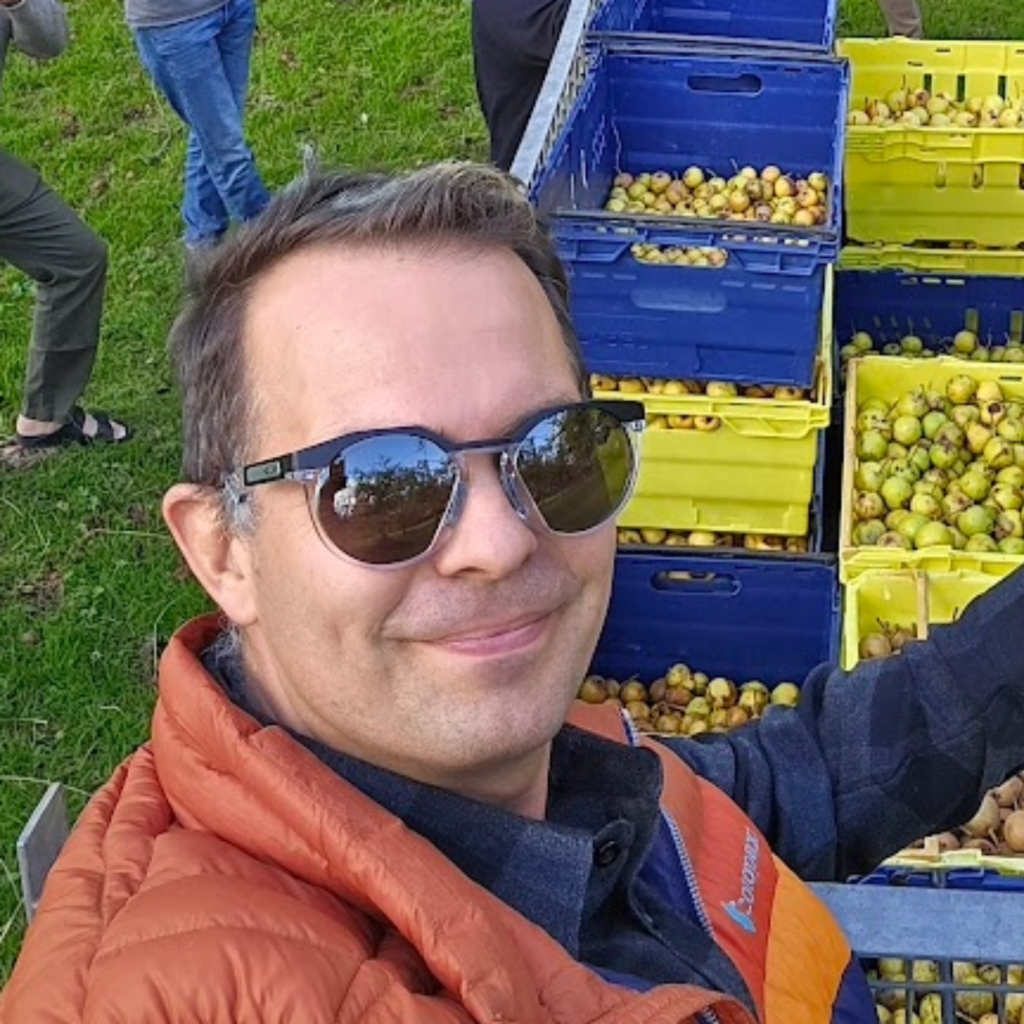
Colin Schilling, Schilling Cider, Auburn, WA – Colin Schilling is the CEO and Co-Founder of Schilling Cider, where he has helped shape the company into one of the nation’s most innovative and forward-thinking craft cideries. Colin’s passion for food and beverage extends well beyond cider. He enjoys exploring new tastes and experiences and has contributed his expertise to brands in the non-alcoholic, coffee, energy, and cannabis spaces. His background includes an MBA focused on entrepreneurship and business sustainability, as well as experience in technology consulting, giving him a broad perspective on how businesses can make a positive impact.
Executive Board
We are also pleased to announce the return of the executive board members who will continue to lead the ACA:
- Christine Walter of Bauman’s Cider will continue in her role as President
- Tom Hart of Humboldt Cider Company has been chosen to serve as Vice President.
- Dave Takush of 2 Towns Ciderhouse in Oregon will continue in his role as Secretary.
- John Behrens of Farmhaus Cider in Michigan will continue in his role as Treasurer.
Gratitude to Past Board Members
We extend our heartfelt thanks to outgoing At-Large board member Phillipe Bishop and outgoing Large Cidery board member Chris Lacey for their dedicated service on the ACA board. Their contributions have been instrumental in shaping the future of the cider industry, and we are grateful for their commitment and hard work.
Who’s Ready for the End of Premiumization?
Each month consumer insights platform Sightlines will share one quick hit you can use to make confident decisions. Also, ACA members get 50% off a Sightlines subscription. Find the discount code in the Resource Hub.
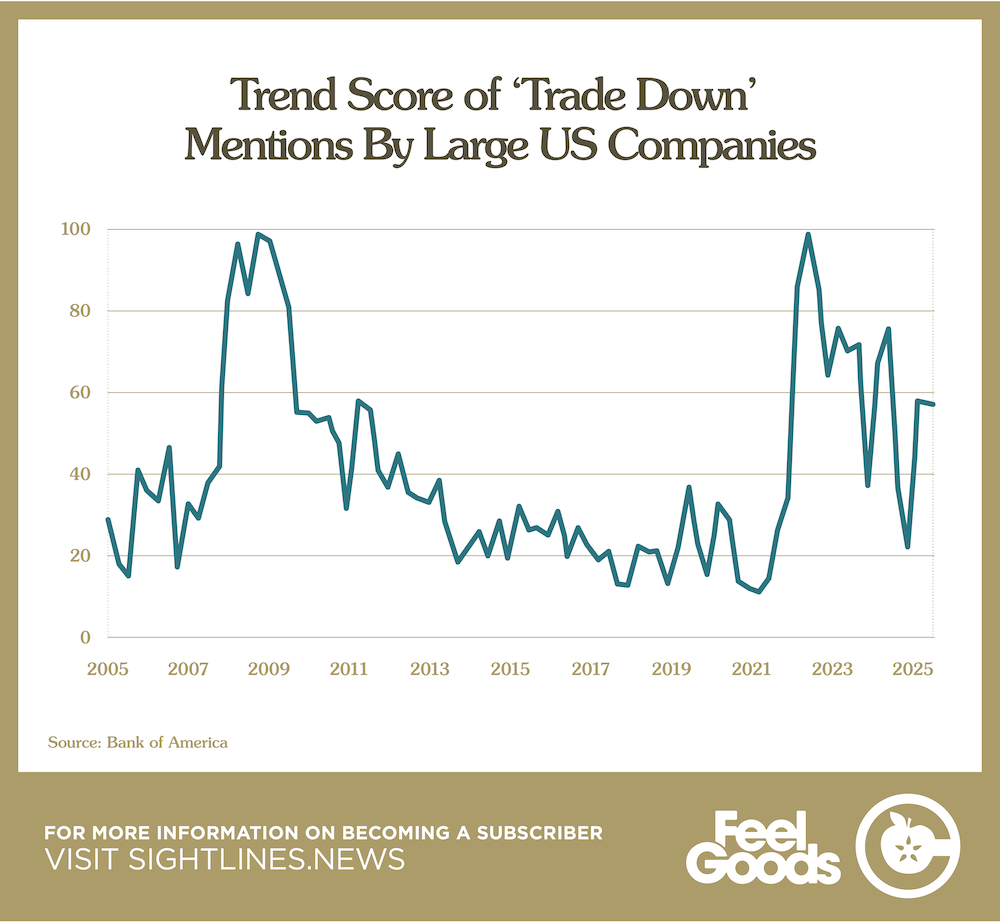
Consumer spending in the U.S. has, of late, been buoyed by the wealthiest Americans. Recent analysis of Federal Reserve data by Moody’s Analytics showed that the top 10% of earners in the U.S. (those whose households make $250,000 or more annually) accounted for 49% of total consumer spending in Q2 2025. That’s the highest level ever reported since such data collection began in 1989, and it’s well above the one-third of overall consumer spending that group represented in the early 1990s.
Well-off Americans have carried water for much of the economy, but they can’t do it forever—particularly not when it comes to alcohol. The discretionary spending power of the wealthy has for years been a driver of premiumization, but the tides may be turning. Those households, after all, only need to buy so much beer or wine or cider. Eventually, all but the most exclusive of luxury brands need “average” Americans to buy in, or need the wealthy to buy even more. But we are currently seeing the affluent slow their spending: Analysts at Jefferies and Moody’s have noted that affluent shoppers have pulled back on luxury spending and are showing an increased appetite for discounts and deals. As a result, mentions of “trading down” in conference calls by large U.S. consumer companies have ticked up in recent years, echoing spikes seen after the housing market crisis in 2008 and during the post-COVID inflationary period. Sales of private label staples are breaking records. Amazon Prime Day shoppers spent on staples, not big-ticket buys. Lower-cost retailers like Kohl’s, TJ Maxx, and Dollar Tree have seen stock prices rise this year as investors bet on shoppers continuing to hunt deals. Even Gen Z is taking advantage of early-bird specials and happy hours. Alcohol companies need to recognize that a broad trend toward premiumization is no longer a given. What will make up the slack when big spenders pull back?
ACA Introduces Preferred Vendor Program
At the ACA, we know your bottom line matters and that you do better when the businesses you work with do better for you. That’s why we’re excited to launch the ACA Preferred Vendor Program: a growing lineup of businesses offering exclusive discounts for ACA members.
How It Works
We’ve done the legwork—negotiating deals with suppliers who want to support cidermakers like you with real savings on products and services you already use (or might want to use). Take advantage of our Preferred Vendor Program to enjoy:
- Exclusive discounts for ACA members
- Suppliers who understand your business
- Opportunities to save on tools, services, and materials
Newly Added Discounts:
- 25% Off Your First Year of Beer30
- Free Consultation & 10% Off Flat Fee Projects from Beer Law Center
- 10% Discount for all Classes & Workshops from the Cider Institute
- One Free Job Posting Per Year from Ciderpros.com
- 5% Off from Fountain City Logistics
- 5%-10% Off First Shipment from MyFreightWorld
- 10% Off First Design Project from Seathirst Creative
- 50% Off Annual Subscription from Sightlines
- 1/2 Off Setup and First Month Free from Tapwyse
- Savings of $3.00/case on Regulatory Fees from Vinoshipper
- 10% Off Orders from Wine Shipping Boxes
Check them all out on our Preferred Vendors Page and find links and codes for their exclusive deals for ACA members in the Resource Hub.
Becoming a Preferred Vendor
If you know a great company that supports your work and might be a good fit send them our way! Better yet, if you are a business that wants to participate, fill out this FORM and let us know. We’d be glad to bring you into the fold to pass benefits on to the whole cider community. If you have questions, feel free to reach out to our Director of Member Relations Woodley Smith at woodley@ciderassociation.org.
NEW! Barrel to Glass CiderCon® Experience
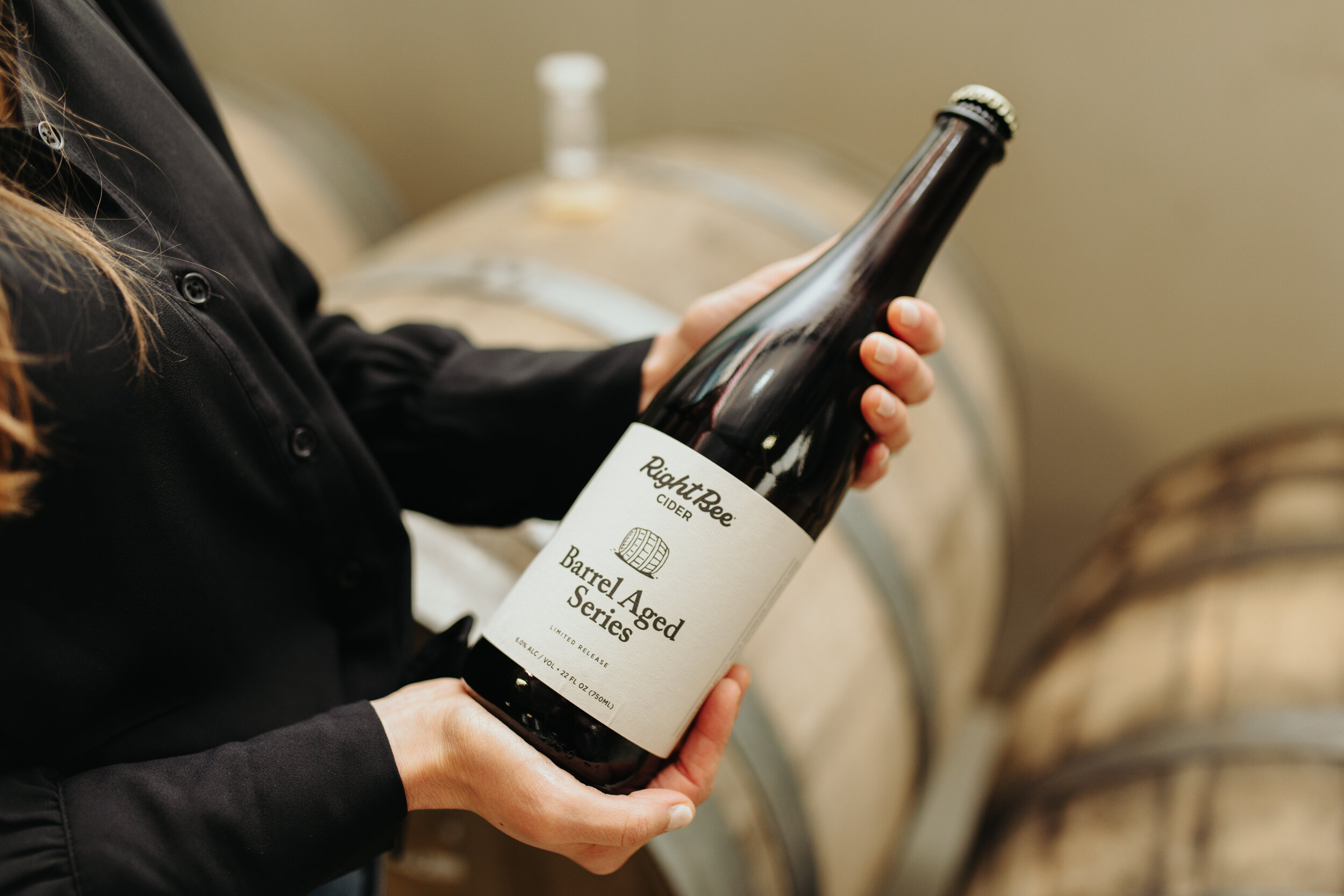
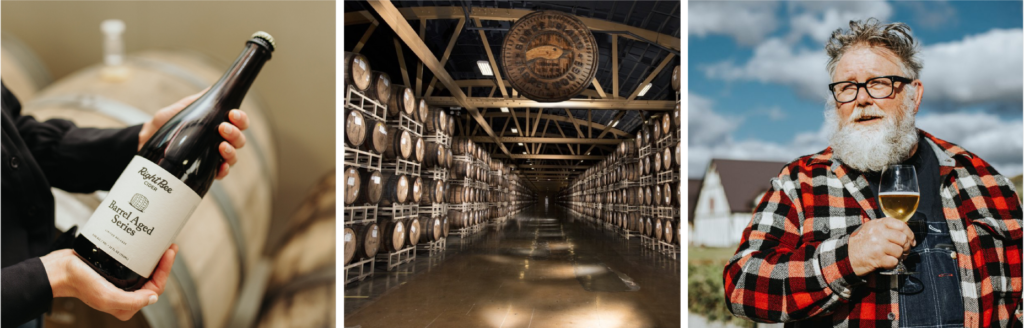
Just announced! Join us on Tuesday, February 4th for this limited CiderCon® 2025 learning and tasting experience that will explore the world of barrel-aged ciders and craft beverages. Kick off with a tour of the iconic Goose Island Barrel Room and its 15,000 barrels, visit Right Bee Cider to taste and learn about their barrel-aged cider series including hearing from their distiller partners at Judson & Moore, and finally, learn from veteran cidermaker Greg Hall about Michigan’s Virtue Cider and their barrel aging approach.
This tour will depart the Hilton at 3:00 PM and return by 6:30 PM. Tickets are $60 and include cider tastings and transportation. Tickets are extremely limited for this event, so hurry and grab yours today!
This event is part of Chicago Cider Week and does not require CiderCon® registration to participate. This is a 21 and over only event.
Have questions? Contact Michelle at ciderassociation dot org.
US Treasury Requiring LLCs to Submit Beneficial Ownership Information

The US Treasury’s Financial Crimes Enforcement Network (FINCEN) is requiring all LLC to submit beneficial ownership information (BOI) or face high fees. This is part of the Corporate Transparency Act. FINCEN has recently granted a 12-day extension, so you now have until January 13, 2025 to file and avoid fees.
BOI reports can be e-filed through FINCEN here: https://boiefiling.fincen.gov/
For more information on who should file a BOI report by the new deadline, reference this blog from Wolters Kluwer. https://www.wolterskluwer.com/en/expert-insights/boi-reporting-deadlines-extended-by-fincen-following-stay-of-nationwide-injunction
There is additional relief for certain LLCs impacted by disaster here: https://www.adamsandreese.com/news-knowledge/fincen-announces-boi-reporting-extension-in-hurricane-areas
For more questions about filing your BOI report with FINCEN, visit their FAQ page here: https://www.fincen.gov/boi-faqs#B_1
Cider Judges Reflect on Historic GABF Competition
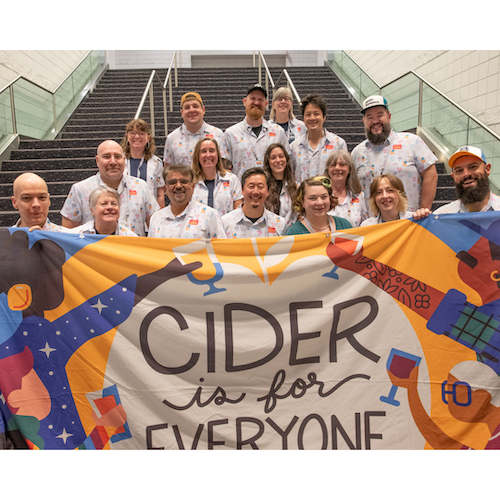
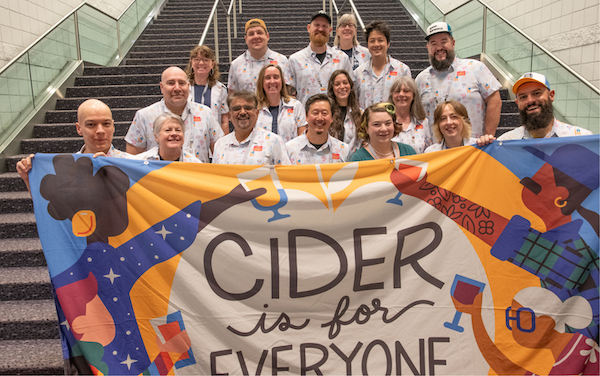
The American Cider Association was honored to support the historic inaugural cider competition as part of the Brewers Association’s Great American Beer Festival this fall in Denver, Colorado. The cider categories were developed through ACA’s partnership with GABF and input from experienced cider sensory professionals. The ACA was pleased to share our expertise with the competition, and cider felt respected throughout the event and the planning. The GABF solicits category feedback as part of its annual process, so next year descriptions will be even more improved.
The ACA worked with GABF to ensure that the judges were exceptionally well qualified to evaluate cider. It was a diverse pool of judges by geography, age, race, profession and gender, and cider viewpoints were well rounded. All of the judges were either Certified Pommeliers, senior BJCP cider judges with cider judging experience, or cider experts with years of cider sensory experience. This included the entire ACA Education Committee who was pleased to join this history-making cider judging crew at GABF.
Cider was judged on balance of structural components (acid, sugar, and if relevant to the category, tannins), integration and harmony of flavors, fermentation quality, fruit perception, and alignment with category descriptions. There were 5 categories for cider this year, and hopefully more in the future as entries grow.
The GABF medalists in cider this year were:
- No/Low Tannin Cider
- GOLD, The Russets, Snow Capped Cider (CO)
- SILVER, Gravenstein, Snow Capped Cider (CO)
- BRONZE, 10th Anniversary, 2 Towns Ciderhouse (OR)
- Tannic Cider
- GOLD, Classic Dry, Gowan’s Cider (CA)
- SILVER, Cedar Valley Blend, Paha Cider Co. (IA)
- BRONZE, 2022 Cidre Bouché, 2 Towns Ciderhouse (OR)
- Fruit or Botanical Cider
- GOLD, Blackberry, McMennamin’s Edgefield Winery (OR)
- SILVER, Ozark Strawberry Rhubarb, Ozark Beer Co. (AR)
- BRONZE, Pineapple Cider, 2 Towns Ciderhousese (OR)
- Experimental or Barrel-Aged
- GOLD, Rosé Cider, Gowan’s Cider (CA)
- SILVER, 2019 Pommeau, 2 Towns Ciderhouse (OR)
- BRONZE, 802 Barrel Aged, Vermont Cider Co. (VT)
- Single Varietal
- GOLD, Mountain Rose, Haykin Family Cider (CO)
- SILVER, Macintosh, Gowan’s Cider (CA)
- BRONZE, Glow – Airlie Red Rosé, Alpenfire Cider (WA)
Let’s hear from a few judges about what it was like to make cider history at GABF!
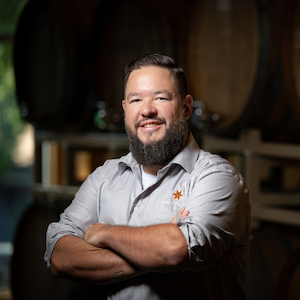
Max Finnance
Beverage Consultant, Certified Pommelier, Master Cicerone, 5x GABF Judge
“I had a blast judging this inaugural class of ciders at GABF ’24, and consider it an honor to have been included. Hearing the incredible conversations among some of the cider world’s leading minds, and helping to select the best of the best over three days of judging, it only makes me more excited about the future of cider at GABF. As consumers continue to get more diverse with their beverage choices, a partnership like this between the preeminent cider and beer organizations in the country makes a ton of sense to me, and has the ability to help catapult the best cidermakers into visibility for a whole new audience. I guarantee that Gowan’s, 2 Towns, Haykin Family, and the rest of the winners all experienced a spike in web queries over the weekend, something that other cideries will be smart to strive for in future years.”
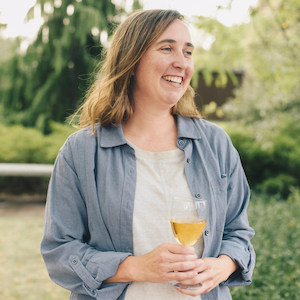
Brighid O’Keane
Executive Director at Cider Institute of North America, Certified Pommelier
“This is a year for the history books! It was a great opportunity for cider to be recognized in the prestigious and rigorous GABF competition. The winners presented stellar products and we look forward to continued partnerships and increased involvement in the years to come.”
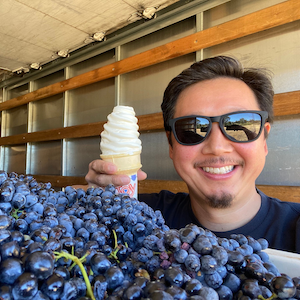
Lester Koga
Co-Founder at Barebottle Brewing Co., Certified Pommelier
“As a brewer/cidermaker/beer judge/Certified Pommelier, it was an honor to help judge the first GABF cider competition. In the world of beer judging, we have very established guidelines in which we judge each beer category (over 100+ styles). There’s a lot of rigor around the adherence to specific aroma/ flavor characteristics, typical of style. With cider spread across a manageable 5 categories, there was a lot more opportunity for broader style expression within each. We were able to judge on technical merits, but also on the artful execution of each cider. Without question, there were so many unique and wonderful examples that awarding medals was not easy. Beer and cider often have a place at the same table and it’s encouraging to see them share a podium as well.”

Kate Pinsley
Senior Director of Beverage at Schilling Cider, Certified Pommelier, and longtime cider nerd
“GABF is such a legendary beer festival with a respected and meticulously run competition, and it warmed my heart to have cider and cidermakers and cider drinkers so enthusiastically welcomed into that space. I was inspired by the open-mindedness of Serious Beer People in bringing cider to the table and taking care to understand and respect its unique and diverse characteristics. The cider community will only get stronger from having more of these conversations about what cider is, and what good cider is. It was an honor to be part of cider’s introduction into GABF, and I look forward to building a tradition of cider at GABF — let’s get more categories and more cider into GABF 2025!”
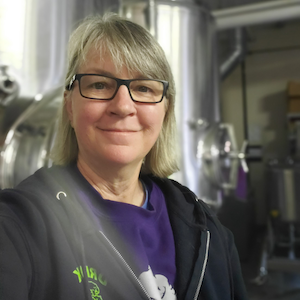
Leah Dienes
Partner, Head Brewer at Apocalypse Brew Works, BJCP Beer and Cider Judge, President of Kentucky Guild of Brewers
“I was extremely excited to find out when I arrived at GABF that cider would be a part of the judging. I was pleased to be asked to judge the ciders and to extend my BJCP cider knowledge with the new categories presented at the competition as well as learn from the expertise of the American Cider Association judges. The discussions during the competition and especially the medal rounds were enlightening and got me excited to want to study, drink and create more ciders in my brewery. It was a great experience that I hope to extend to the next competition and to spread more cider information to our breweries in Kentucky.”
Guest Blog: Regional Cider Sales Across the U.S. Are Up

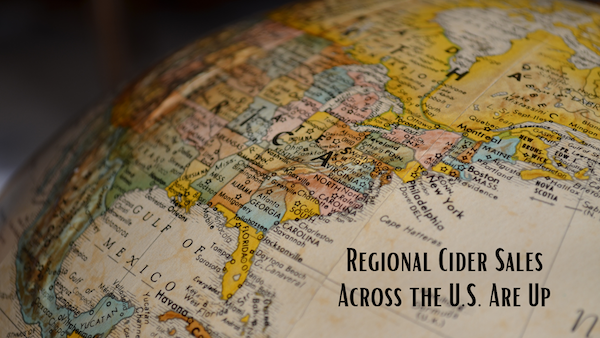
With cider production up in over 30 states, is the beverage finally shedding its “fall-drink-only” status?
When rosé burst into the wine world in the mid-2000s, producers had a lot of work to do when it came to shaking off its ‘summer-drink-only’ rank. Similarly, cidermakers have faced challenges when it comes to showing consumers the drink is enjoyable all year, not just during pumpkin patch and u-pick season. (Though it’s quite lovely then, too).
But perhaps, cidermakers are starting to see their efforts pay off—literally. According to NielsenIQ, from July 2023–July 2024, regional, or independent, cider retail sales in NIQ-measured channels have reached a whopping $806.7 million, up 3.4% from the year previous. Additionally, regional cider was one of just three sub-categories to also experience volume growth in the beer-tracked category.
Naturally, you might be thinking ‘sure, but that includes fall and winter, cider’s popular seasons.’ And you would be correct. But when you break those numbers down even further and look at the past 13 weeks, regional off-premise cider sales are still up by just under 2% and have raked in approximately $217.6 million in sales.
The growth seems to be stemming from states not often associated with cider—let alone cidermaking. Big cider states like California and New York saw their sales rise by 3.8% and 1.5% respectively. But surprisingly, it was regions like Georgia saw cider sales rise 58% to $2.2 million while its production jumped 54%; Arizona saw its sales rise nearly 33% to just shy of $2 million with production up 22%; and lastly, Tennessee saw its sales spike 34.3% to just shy of $2.5 million with its production rising 28%. These states were outliers in terms of their double-digit growth. But 28 additional states also saw a rise in both their cider sales and production.
Historically, cidermakers have long-relied on their tasting rooms to drive most of their sales. And it makes sense. The American cider scene is still young (relatively speaking of course). Meaning there are still many consumers who don’t quite know what it is or harbor some pretty unfortunate preconceived notions of the drink thanks to a bottle they chugged in college. Whereas those going to a cidery likely already have, at the very least, a base-level interest. Not to mention, the person working the tasting room has the opportunity to sell consumers and to-go bottles and cans.
Yet, in the past year, regional cider brands saw their off-premise sales increase by 3.4 basis points. Meaning more consumers are scanning the shelves stocked with beers, wines, flavored malt beverages (FMB), and opting for cider instead.
Six-packs were by far the most popular format to buy cider in, claiming 48% of off-premise sales (both local and national). It’s followed by four-packs (20% of regional and national) and 12-packs (16% of regional and national). Bottle sales across local and big-name brands were down.
As for flavor profiles, the standard “apple” hard cider reigns supreme, raking in over $800 million in sales. That number is down slightly from the year previous. But perhaps it’s because there are so many additional flavors to try, running the gamut from blueberry to dragonfruit.
When it comes to experimenting with some different flavors, consumers seem a bit more willing to do so with their local cidery. For instance, regional producers saw their berry, tropical, and stone fruit cider sales jump 3.9, 12.1 and 21.8 basis points respectively. National brands, on the other hand, were down in nearly all flavor categories minus tropical and citrus. Neither of which saw a major bump in sales or production volume.
The Bigger Picture
When looking at the overall beer and FMB market, there’s no denying that cider is a small slice of the pie, it makes up about 1% of sales. And no, cider shouldn’t be compared to beer when it comes to production or flavor profile. But there are some similarities and contrasts when it comes to the rise of craft beer and what we might be starting to see with local cider.
Back in 2012, craft beer was starting to take off and accounted for about 10% of the market. In the decade-plus since, it’s fluctuated up and down. At its peak in 2021, it held 26.1% of the beer market according to Statista. Currently, NielsenIQ has it at 14% of the market.
That’s pretty remarkable when considering these small establishments are up against industry titans like Anheuser-Busch, which produces millions of barrels annually.
Similarly, when cider was growing in the mid-2000s, there were only a handful of national brands and international brands like Strongbow, owned by behemoth Heineken, widely available to the public.
But craft beer had the luxury of being a product of which Americans were quite familiar. Cider doesn’t quite have that—yet. While it may seem slow, the data indicates that is starting to change. And it starts with your local producer elevating cider so it becomes more than a “fall drink” and something people feel comfortable with taking a chance on at their local grocery store.
About the Author:
Kristen Richard is a Colorado-based writer specializing in food, drink, and the outdoors. Her work has appeared in Wine Enthusiast, where she was previously the digital editor, as well as in Backpacker, All About Beer, Thirst Colorado, and others. She specializes in covering the science and history behind food and drink.
The views, information, or opinions expressed in guest blogs are solely those of the authors involved and do not necessarily represent those of the American Cider Association.
Guest Blog: Leveraging Digital Marketing Channels to Educate and Engage Your Audience

The views, information, or opinions expressed in guest blogs are solely those of the authors involved and do not necessarily represent those of the American Cider Association.
Digital marketing offers a world of opportunities for cider producers to distribute and display educational content, but where do you start? Many cider brands need help finding clarity in the maze of potential digital marketing channels. Not only do you have to figure out which channels to use, but also how to use them well. In addition to the overwhelming selection of channels, how do you decide where to park your educational cider content that will bring you the most ROI? Each digital channel has its own pros and cons, but one of the best ways to pinpoint which platforms fit your brand is to evaluate your content goals, identify your audience, and acknowledge your team’s bandwidth. The good news is that with a focused strategy, you can efficiently and effectively leverage digital channels to reach your loyal fans (and expose your cider to new ones) using the educational content you have already curated. While not 100% comprehensive, let’s dive into some popular digital marketing channels so you can get those creative juices flowing on how to present and distribute your educational content. Think of it not as randomly throwing marketing darts, hoping they hit your target, but crafting a well-thought-out content recipe that combines the perfect blend of ingredients to create your unique brand voice. You have already worked hard to create educational content about cider ingredients, production processes, flavor profiles, consumption, and your brand—now it’s time to shift that content into overdrive.
Targeted Approach
Know Your Ideal Audiences: Understanding where your audience likes to consume information allows you to meet them where they are. The basic idea is to fold yourself into their existing online universe. This practice increases content engagement rates and ensures the right people see your messages. However, the first step is to determine the audience you are trying to reach with your educational content.
Example: Knowing that their target audiences spend most of their time on Instagram, Wise Bird Cider from Lexington, KY, has curated a fun, fact-filled profile of feed posts, Stories, and Reels that educate their followers about ingredients and production processes on Instagram. Audiences are learning something new and doing it based on their own channel preferences.
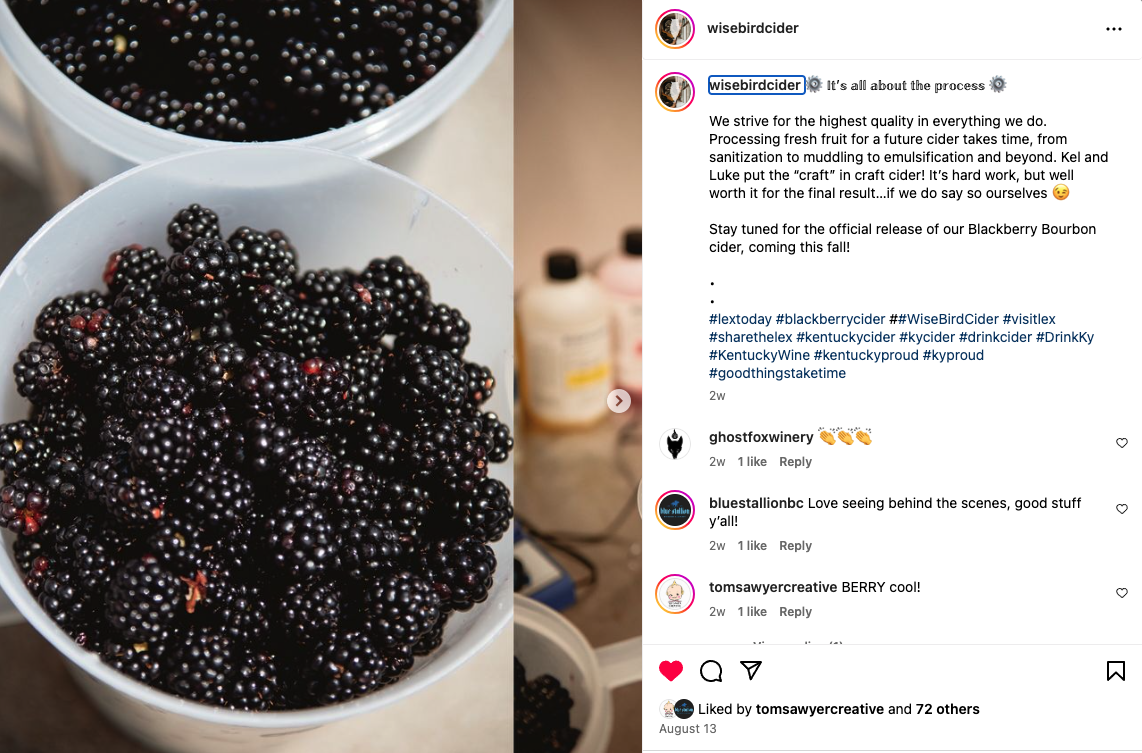
Photo courtesy of Wise Bird Cider
Leverage Your Channel Goals: Each digital marketing channel has unique strengths and weaknesses. Aligning your goals with each channel’s strengths can make your efforts more efficient and effective. Some channels are better than others at increasing brand awareness, improving engagement, solidifying brand loyalty, or encouraging purchase activity. Not sure what purpose each channel holds? Visit their website and read about their brand to learn more about what they are trying to achieve with the platform.
Bandwidth Consideration: Spreading yourself too thin across multiple channels can dilute your efforts and lead to inconsistent and sometimes even conflicting messaging. Focus on a few channels where you can maintain high-quality content and regular engagement, but do not dismiss the other channels completely! It’s not wrong to spread out brand presence on multiple channels, but make sure you have a team of the proper size to do it well before adopting any new platforms.
Channel Examples
Email Marketing:
Email marketing is a fantastic way of communicating educational information about hard cider. You can leverage long-form content to inform and connect with your readers. This channel is excellent for storytelling, education, personalization of your brand, and promotion — all rolled up into one. Email marketing typically includes most, if not all, demographics, allowing you to cast an extensive net. Being permission-based, you can also be sure that the reader actually wants to see your content. You can further personalize the experience by tagging and segmenting your audience, making it truly special for your fans by directing more specialized educational content to those who engage with your topic-specific calls to action (CTAs).
Example: Send an email with a brief insight into how cider is made (not brewed) and the common ingredients in cider recipes, or plan out a feature about a specific variety of fruit. To increase engagement, include visuals and additional outbound links that support your content.
TikTok, Instagram Reels, and YouTube Shorts
These platforms are ideal for targeting younger demographics with quick educational tips about cider. The ethos of these channels is for entertainment and video views, so leverage them to stop the scroll, build brand awareness, and attract new customers by teaching them something new. While the primary goal on these platforms isn’t necessarily direct sales, providing fun and educational content can and will create enjoyable moments with your audience. These interactions will build a positive association with your brand and foster a sense of community, leading to future purchases. Also, who doesn’t like a little bit of fun?
Example: TikTok content from Bivouac Ciderworks in San Diego, CA, demonstrates a lovely mix of educational content in conjunction with current social media trends, like how to create a cider cocktail- in this case, a Biv Cider Michelada (leverages the trend – make something with me).
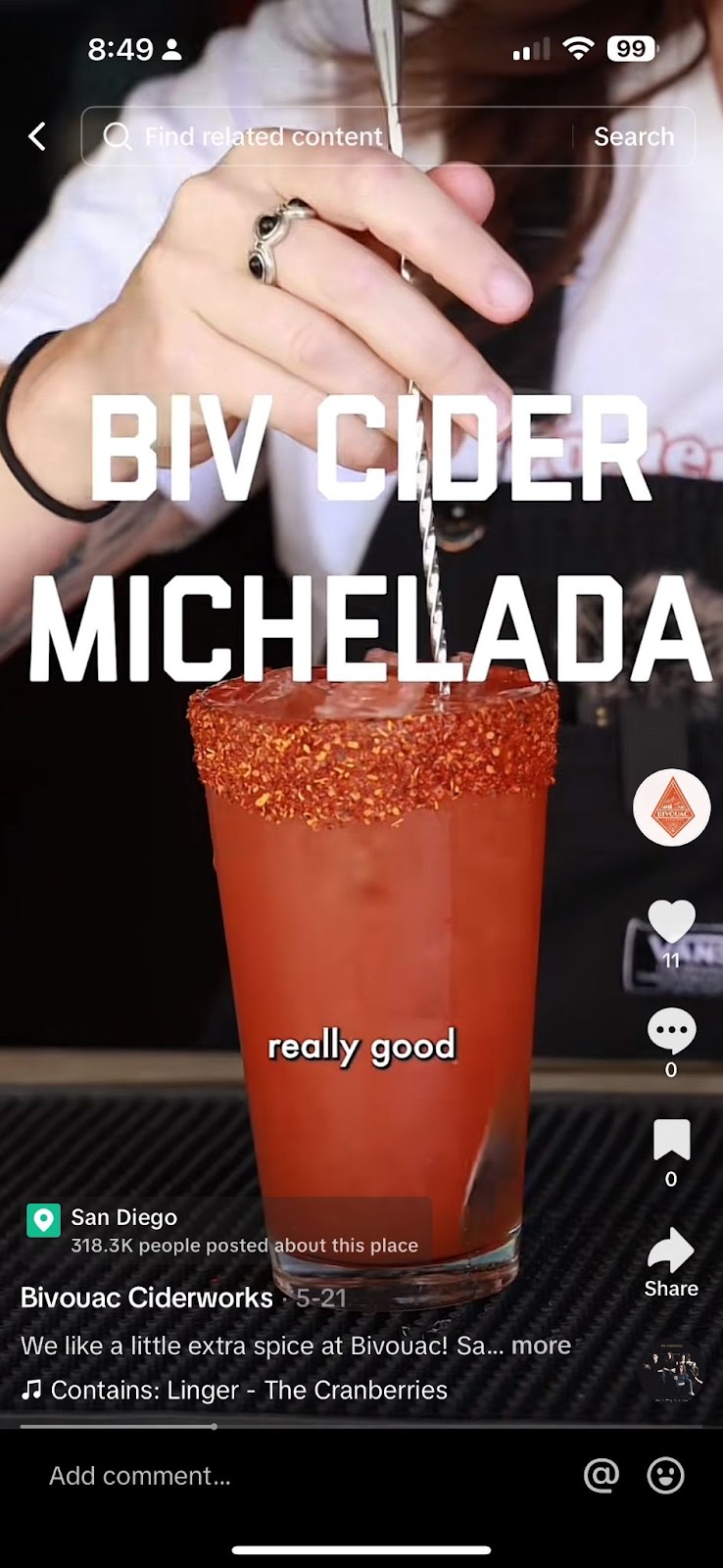
Photo courtesy of Bivouac Ciderworks
Facebook Events
Facebook remains a relevant platform for promoting cider brands, even if you think that channel is on the downslope. While the FB feed is debatable, the actual start of the show is FB Events. Cider education events like tours, classes, and tastings can be announced to your fans through page updates and reach new audiences through organic posts. While this platform trends toward an older demographic, it’s still crucial. Offering educational events allows fans to engage on a deeper level with your brand, and event RSVPs contribute to your engagement metrics on Facebook, increasing your organic content’s general reach.
Example: Host a cider tour at your farm or production facility that teaches about cider production and post on FB Events. Post updates leading up to the event to encourage attendee engagement within the event dashboard. On the event day, allow attendees to interact with the pressing process, learn about ingredients, and take home their cider- all while reminding them to post about the event and tag you on social media. Events create memorable experiences with your brand and tend to lead to future purchases, but when accented by social media presence, the benefits will continue to compound.
YouTube
YouTube is where people go to learn. From in-depth tutorials to quick, punchy Shorts, this platform is perfect for reaching Gen Z and Millennials. For cider brands, YouTube offers a unique opportunity to create a library of educational content that informs and builds a community of dedicated fans who view your brand as a trusted authority. Show behind-the-scenes content to build trust and resonate with viewers who appreciate authenticity. You could host live Q&A sessions to engage your audience in real-time. These immersive experiences will make them feel like they are part of your community! Collaborate with influencers or industry experts to co-create content, broaden your reach, and add credibility to your educational efforts. Highlight local ingredients or regional specialties significant to your brand to provide engaging, unique content for your viewers.
Example: Albemarle Ciderworks, from North Garden, VA, has created curated playlists of educational content about cider ingredients and cider-making processes of bite-sized videos that are easy for any viewer to understand and foster a connection with the brand.
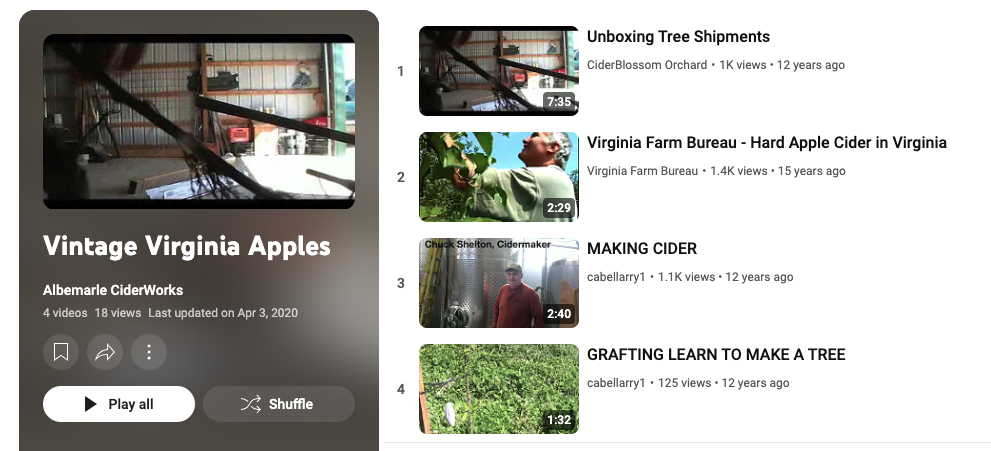
Screenshot courtesy of Albemarle Ciderworks YouTube channel.
Twitter and Reddit
If you focus on the science and technical production aspects of cider making, Twitter and Reddit offer unique opportunities to engage with your audience more deeply- in a very technical and beverage-geeky way. Twitter is perfect for sharing bite-sized educational content and engaging in real-time conversations. Use hashtags relevant to the cider industry and participate in trending discussions to increase your visibility. Reddit’s community-driven structure allows you to reach highly targeted groups interested in cider making and contribute to conversations that would establish your brand as an industry “thought leader.” Subreddits like r/cider and r/fermentation are excellent for interacting with a community that is genuinely interested in the nuances of cider production.
Example: Tweet technical information about cider fermentation, highlighting particular scientific insights or ingredients. Use threads to provide detailed breakdowns of complex topics and engage with your audience’s questions and comments.
Example: Stem Ciders, located in Colorado, leverages Twitter to connect with its audience by sharing educational content about cider varieties, the importance of using fresh (and unique) ingredients, and behind-the-scenes looks at their production processes.
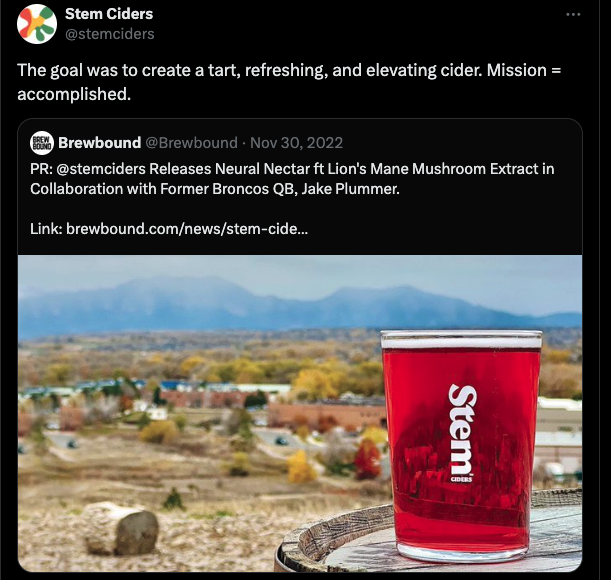
Photo courtesy of Stem Ciders
Efficient Channel Selection for Small Teams
If your resources are limited, you have a small marketing team, or you’re just plain short on time, maximizing your marketing efforts is crucial. Focusing on the most effective digital marketing channels that fit your business goals will help you determine which channels are worth your time. Here’s how you can evaluate if a channel is right for your brand:
- Align With Your Audience: First, make sure the channels you choose are where your target audience spends their time. This method prevents you from wasting effort on platforms that don’t yield significant engagement.
- Match Content with Channels: Tailor your content to each platform’s strengths. Selecting platforms that best showcase the type of educational content you’re producing will maximize your impact.
- Concentrate Your Energy: Avoid spreading yourself too thin by focusing on a few channels where you can maintain high-quality and consistent engagement. It’s better to excel on two or three platforms than to provide mediocre content on many.
- Understand Your Costs: Be aware of the costs associated with each channel, including advertising spend, software expenses, and the time required to maintain your presence. Knowing these costs will help you allocate your budget and resources more efficiently.
- Analyze and Optimize: Review your campaigns’ performance metrics regularly. Prioritize channels that show high engagement and conversion rates, and scale back or reconsider those with low ROI.
By focusing your efforts thoughtfully, you can ensure the highest possible return on your digital marketing investments, even with a small team and limited resources.
So are you ready to see your cider brand flourish digitally? Follow these tips and watch your brand awareness and customer base grow—no guesswork is required. By strategically selecting the proper digital marketing channels, you can significantly enhance your brand’s online presence, campaign efficacy, and overall brand awareness with your educationally focused (and fun) cider content. This approach will improve the likelihood of purchases and foster a stronger sense of loyalty and community among your existing fans.
Author Bio
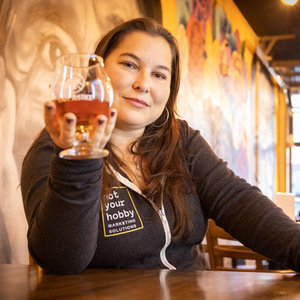
Julie Rhodes is the owner of Not Your Hobby Marketing Solutions, an educational services & professional consulting company that teaches sales, marketing, and management tactics to growing craft beverage businesses. She is an instructor for various business-focused continuing education programs at institutions like the University of Richmond and UC Davis, as well as an independent beverage business journalist, with works in Craft Brewing Business, Fintech, PorchDrinking.com amongst others, and the 2023 BA Mentor of the Year. Find out more at NotYourHobbyMarketing.com or contact her directly at julie@notyourhobbymarketing.com
June is Pride Month: Celebrate our Industry and All of the People and Styles That Make It Amazing
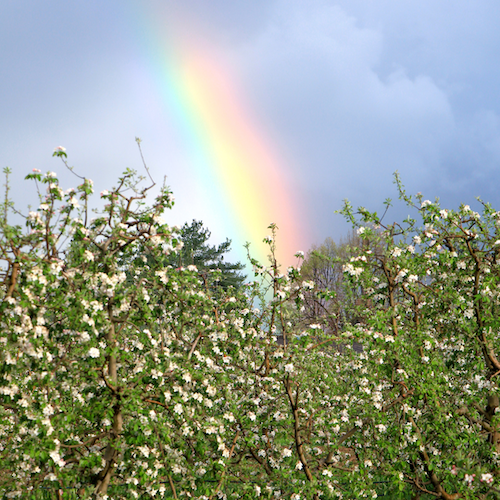

As we step into Pride Month, it’s a perfect time to celebrate everything that makes the cider industry so vibrant and dynamic. Our community thrives because of the people and the styles and stories that they share.
Commissioned in 1978, the rainbow flag was made as a visual representation of love and safety for all races, ages, and genders in the LGBTQIA+ community. The very same safety and togetherness that we value and hold as pillars of our industry. Publicly demonstrating your alliance with these values through your brand and images helps us to keep these ideals at the forefront, and to celebrate the progress that has been made.
This Pride Month, let’s honor the contributions of the LGBTQIA+ community and their invaluable impact on the Cider world. It’s a perfect time to embrace the spirit of inclusivity and unity that lies at the heart of our community. Whether you’re a seasoned cider professional or a newcomer to the scene, there’s a place for everyone here.
Join Our Rainbow Photo Contest!
To celebrate Pride Month, we’re excited to announce a photo contest that captures the essence of our community through the colors of the rainbow. We invite you to participate and showcase your creativity and love for cider in a way that highlights each vibrant hue.
How to Participate:
- Take a Photo: Snap a picture that incorporates all the colors of the rainbow or just one color of your choosing in a creative way. It could be a beautifully arranged cider tasting with colorful fruits, a picturesque orchard scene, or anything that represents the spirit of Pride and our industry.
- Share Your Story: Along with your photo, share a brief story or description of what Pride and the cider community mean to you. We want to hear your unique perspective!
- Submit Your Entry: Post your photo and story on Instagram or Facebook using the hashtag #CiderPride2024. Make sure to tag us @pickcider. This contest is in no way sponsored, endorsed, or administered by, or associated with, Instagram or Facebook.
Prizes:
The contest runs throughout the month of June, and winners will be announced in early July. Six winners will be chosen from the entries at random and will be featured in our monthly newsletter and receive a Cider is for Everyone hoodie.

Apples of Our Eye: Honoring Women’s Contributions to Cider
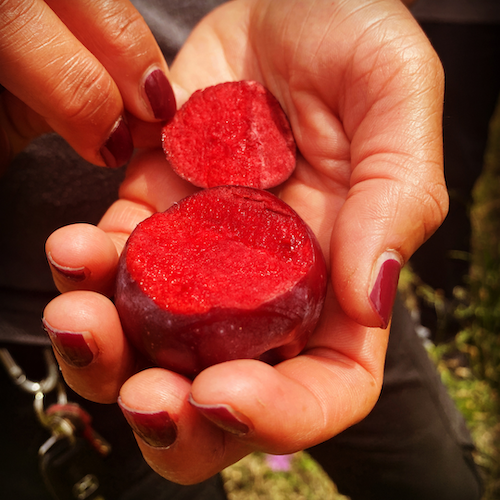
Happy International Women’s Day! Today, we’re celebrating the incredible women making waves in the cider industry every day! From orchardists to cidermakers to CEOs and everything in between, these women are shaping the future of cider with their passion, creativity, and expertise. Let’s raise a glass to their hard work and dedication, breaking stereotypes and barriers along the way. Cheers to the women redefining the cider scene one delicious sip at a time!
We rounded up some recent news articles featuring women in cider. Check out the links below for a fresh cup of inspiration. Do you have some exciting news about women in cider that we missed? Let us know.
And be sure to follow us on Instagram, where we’ll highlight members for Women’s Month throughout March.
Recent Articles and Podcasts Featuring Women in Cider
- Laura Cherry, co-owner at Dragon’s Head Cider in Washington: Small and Fierce Cider with Laura; Dragon’s Head Cider
- Ellen Cavalli, cider evangelist at Tilted Shed in California: Ellen Cavalli Lives Life in Full
- Andrea Homoya, co-founder and CEO of Ash & Elm in Indiana: Indianapolis Company is One of Nation’s Largest Regional Alcoholic Cider Producers
- Molly Leadbetter, Owner of Meriwether Cider in Idaho: Have a Question About Cider? You’ll Want to Ask Idaho’s First Certified Pommelier
- Lara Worm, Owner of Bivouac Cider in California: First Look: Bivouac Adventure Lodge North Park
- Amie Fields, Partner and Sales Director of Botanist and Barrel, North Carolina: Botanist and Barrel Eclectic Ferments
- Cheesemonger Alisha Norris Jones in Chicago: Cheese & Hard Cider, Made for Each Other: A Conversation with Alisha Norris Jones
- Lucy Bauer, Innovation Manager, 2 Towns Ciderhouse in Oregon: Celebrating Women with Cider: 2 Towns Releases Return of The Baddie
- Eleanor Leger, President & CEO, Eden Specialty Ciders, Vermont: Growing Cider: Eleanor Leger of Eden Ice Cider
- Hannah Ferguson, Owner, D.O.P.E. Cider House, Ohio: Hannah Ferguson, Owner of Dope Cider House & Winery Makes History as the First Black Cidery Owner in the State of Ohio
- Nikki West, Owner/Cidermaker at Cider from Mars, Virginia: Nikki West of Cider From Mars
- Bex Pezzullo, Founder, Sincere Cider, California: Bay Area Sommelier Pivoted from Grapes to Apples, then Took Sincere Cider on the Road
- Amberlee Carlson, Sagebird Ciderworks, Virginia: Apple-achian Cider with Amberlee, Sagebird Ciderworks
Take the Member Input Survey
This content is for members only.
If you were a member and are now seeing this message, please Renew your membership to continue.
IWSC International Wine & Spirit Competition Applications Due June 7
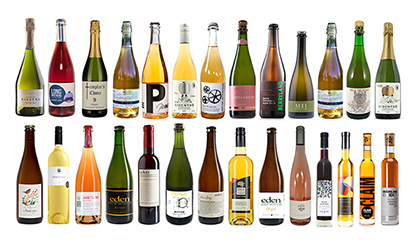
This summer, the IWSC, in partnership with Cider Is Wine, is bringing its international drinks awards to Somerset, South West England, to judge cider, perry, and fruit wine made from 100% juice, not from concentrate.
Renowned for expertise, influence, and personal approach, the IWSC is proud to champion entrants from across the cider category.
Learn more and apply today: https://iwsc.net/alternative-drinks/cider
Spring is in the Air on the Virginia Cider Trail
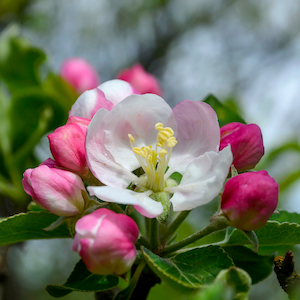
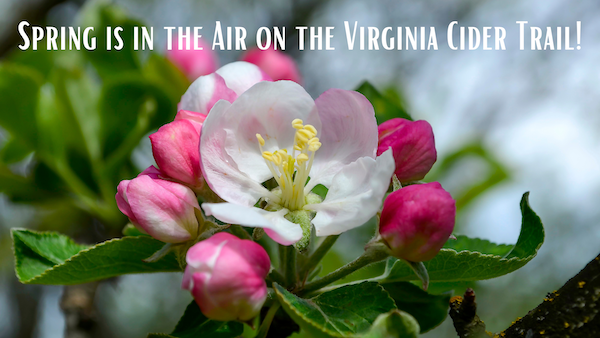
Spring is in the air and it’s time to hit the trail! The Virginia Cider Trail that is. Apple blossoms are bursting open around the state and spring festivals and cider releases are popping up like daffodils. Check out these upcoming events to find something near you or something farther afield if you’re looking for a nice drive on a sunny day!
April 7: Habanero Mango Cider Release at Buskey Cider
April 7: Friday Love Cider Series at Stable Craft Brewing
April 8: Farmhouse Hops & Hunt at Back Bay Brew House
April 8: Adult Easter Egg Hunt at Henway Hard Cider
April 8: Easter Weekend Brunch at Courthouse Creek Cider
April 8: Adult Easter Egg Hunt at Coyote Hole Ciderworks
April 9: Live Music in the Orchard at Albemarle Ciderworks
April 9: Easter Weekend Brunch at Courthouse Creek Cider
April 9: Easter Sunday Brunch at Stable Craft Brewing
April 9: Heirloom Apple Grafting Workshop at Tumbling Creek Cider Company
April 12: Hewe’s Crab and Crab Action at Sage Bird Ciderworks
April 14: Night Teach with Spectator Bird at Cider From Mars
April 14: Boot Scoot Square Dance Party at Potter’s Craft Cider
April 15: Seafood and Sounds with Jacob Paul Allen at Blue Toad Hard Cider
April 15: Daze of Rosé Festival at Castle Hill Cider
April 15: Mars Market: Spring Edition and Cider From Mars
April 15: Second Annual Bloom Fest at Potter’s Craft Cider
April 15: Winchester Ciderworks Takeover Night at Blue Fox Billiards
April 16: Pints & Ponies at Stable Craft Brewing
April 16: Heirloom Apple Grafting Workshop at Tumbling Creek Cider Company
April 20: Flappy Hour Benefit for Bat Conservation and Rescue of VA at Cider From Mars
April 22: Sharif Live at Blue Toad Hard Cider
April 22: Spring Apple Blossom Festival at Bryant’s Cider
April 22: Earth Day Flower Crown Workshop at Courthouse Creek Cider
April 22: Spring Block Party at Lost Boy Cider
April 23: Step Up for Down Syndrome Annual Fundraiser at Blue Toad Hard Cider
April 23: Liquid Craft Festival at Sly Clyde Ciderworks
April 26: Pride Night Social Fundraiser at Sage Bird Ciderworks
April 29: Britchin Brown Renaissance Fest at Stable Craft Brewing
May 6: Kentucky Derby Party at Coyote Hole Ciderworks
May 7: Spring Car Show at Coyote Hole Ciderworks
May 13: Mother’s Day Saturday Flower Workshop with Faded Poppy at Stable Craft Brewing
May 14: Live Music in the Orchard at Albemarle Ciderworks
Celebrating Women’s History in the Cider Industry
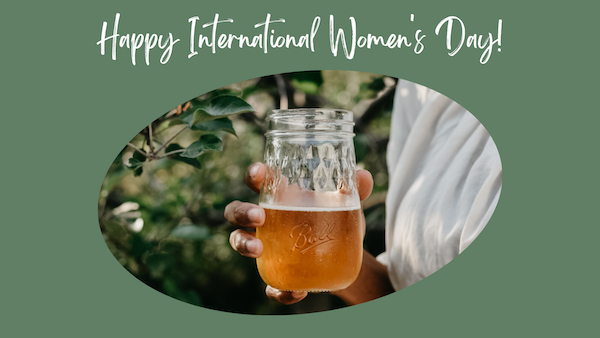
Happy International Women’s Day!
What is this day for? International Women’s Day is a day to bring awareness to the lack of gender equity on our planet. Where does the U.S. fall in gender equity progress? The gender gap in pay is one measure of dynamic inequalities–just last year, U.S. “women earned 82% of what men earned, according to a new Pew Research Center analysis of median hourly earnings of both full- and part-time workers.” (Pew Research) Researchers also found that this number hasn’t changed much in 20 years.
As a cider industry, we can take steps to ensure we are part of progress on gender equity. Here are a few ways your cidery can lead the way on gender equity in hiring and HR:
- Post all jobs with a pay rate.
- Avoid using gendered pronouns in job descriptions.
- Evaluate your pay scales for equality–are people earning the same wage for similar positions?
- Use established skill-based assessments to promote.
- Invest in making sure your company and your establishment are taking proactive steps to prevent gender-based violence and discrimination.
- Increase women and non-binary representation in leadership and decision-making teams.
In what ways are you promoting gender equity at your cidery?
Did you miss Dr. J’s presentation at CiderCon® on Retaining Great Talent? Her tips are useful for recruiting and retaining a talented gender-diverse workforce. Check out her slides here.
Celebrate Women’s Voices
The cider industry has an extremely talented community of women doing incredible work. We’re celebrating International Women’s Day by sharing some of their stories with you. And to double the celebration–all these stories were written by women beverage journalists and storytellers! Enjoy this collection of recent publications by women, about women, and for cider!*
Cider Chat Podcast by Ria Windcaller –ACA 2023 Significant Impact Winner
Prohibitchin’ Newsletter by Beth Demmon
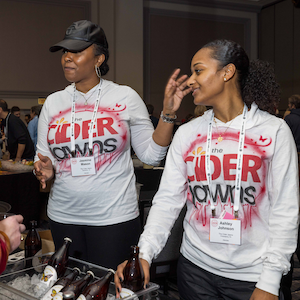
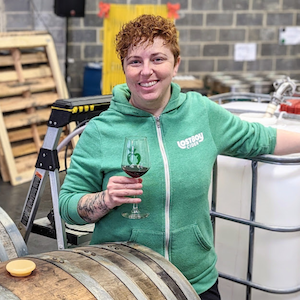
Courage and Other C Words by Jenn Martell
Cider Culture
- Cidermaker Q&A: DOPE Cider House and Winery with Malaika Tyson –ACA 2023 Significant Impact Winner
- Women Making Waves in the Cider World: Elizabeth Ryan of Hudson Valley Farmhouse Cider by Malaika Tyson
- Women Making Waves in the Cider World: Gretchen Esbensen of Shoal Draft Cider by Malaika Tyson
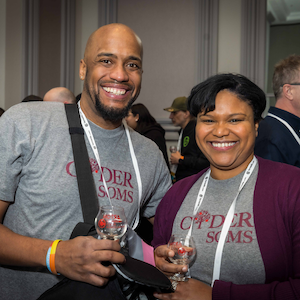

CiderCraft Magazine
- Meriwether’s Taproom Manager Mixes it Up on Netflix Series by Molly Allen
- Book Review: The Lost Orchards by Liz Copa by Darlene Hayes –ACA 2020 Significant Impact Winner
- 4 Questions with Elle Correll, Co-Owner of Buskey Cider by Stasia Brewcynski
And Some Women-Created Stories About Apples That We Love:
- From Apples to Fromage: 5 episodes of cheese and cider pairing goodness from Talia Haykin and Colleen Vidlocker
- Apple of My Eye: Foxwhelp by Lily Waite for Pellicle Magazine
- Stoke Red: Small-Town Apple Wins Big Competition by Darlene Hayes for Cidercraft Magazine

*Friendly reminder cider members–make sure you have Michelle McGrath on your press list. We want to elevate your press!
Claude Jolicoeur Book Signing Events


The American Cider Association is pleased to share that they will be hosting three book signing events in the Northwest with esteemed global cider ambassador and celebrated drinks author Claude Jolicoeur. Come to one of the events to learn more about cider and perry making traditions from around the world, take home a signed copy of his delighful book Cider Planet, and enjoy a refreshing cider. Books and cider will be available for sale at all events. Cider and books––what pairs better than that?
Book signing events will be held at the following:
- March 10, 2023 at 6:00 PM at The Place, 1212-D SE Powell, Portland, OR
- March 11, 2023 at 3:00 PM at Crush Cider Café, 1020 Wasco St., Hood River, OR
- March 15, 2023 at 5:00pm at Finnriver Farm & Cidery, 124 Center Rd., Chimacum, WA
Let us know you’ll be joining on Facebook!
Can’t make any of these three events? Claude will be presenting at the Northwest Cider Symposium in Tacoma, WA on March 14, 2023 and signing books as well. You must have registered for the Symposium in order to attend.
Early CiderCon Presentation Slides for Members
This content is for members only.
If you were a member and are now seeing this message, please Renew your membership to continue.
Two Weekend Events on VA Cider Trail
Apples abound this weekend at exciting harvest events taking place at two stops on the Virginia Cider Trail. If you’re looking for a fun family weekend event, there’s no need to look any further than these two appealing harvest festivals. Read on to learn where to go, when to be there, and what will be happening!
22nd Annual Apple Harvest Festival with Albemarle Ciderworks
Date & Time: November 5 starting at 10am
Join Albemarle Ciderworrks for one of the most anticipated festivals of autumn, the Apple Harvest Festival hosted by the CoveGarden Ruritans and Albemarle CiderWorks!
Find farmers’ market vendors, meet local artisans, and craftsmen demonstrating their skills. Enjoy Brunswick stew and apple butter or grab some to go. Dig your teeth into a variety of apples and taste an array of Albemarle CiderWorks’ fine sparkling ciders. Dance the afternoon away with live music from local bands, and take a hayride around the mountain.
Apple Harvest Festival and Makers Market at Sage Bird Ciderworks
Date & Time: November 5 starting at 11am
Join Sage Bird Ciderworks to celebrate their favorite things: apples and fall!
Cider pressing, heirloom and cider apple tasting with Glaize Orchards, a cider release, mulled cider and cider donuts, food trucks, local makers and crafters, and live music will light up the festivities all day Saturday.
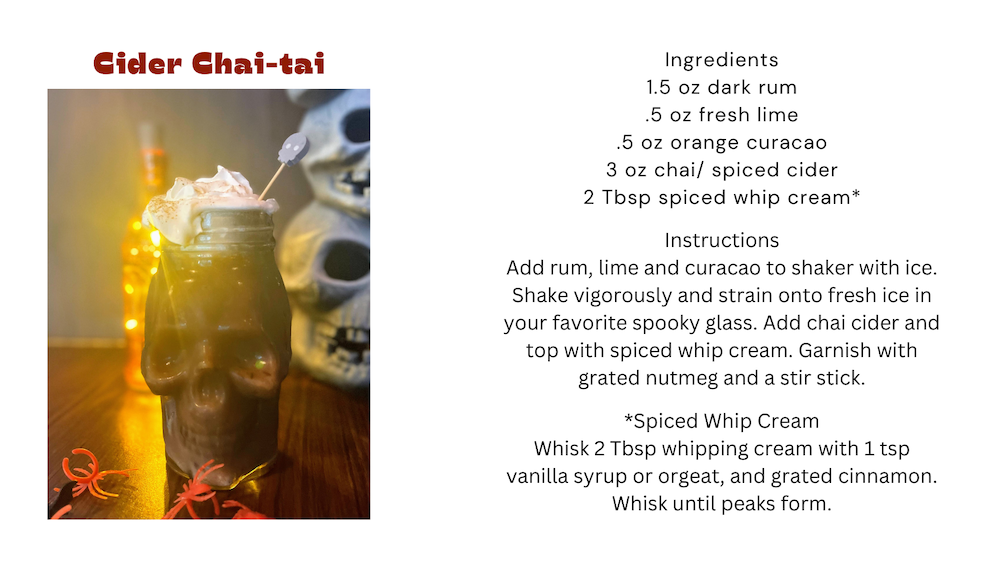
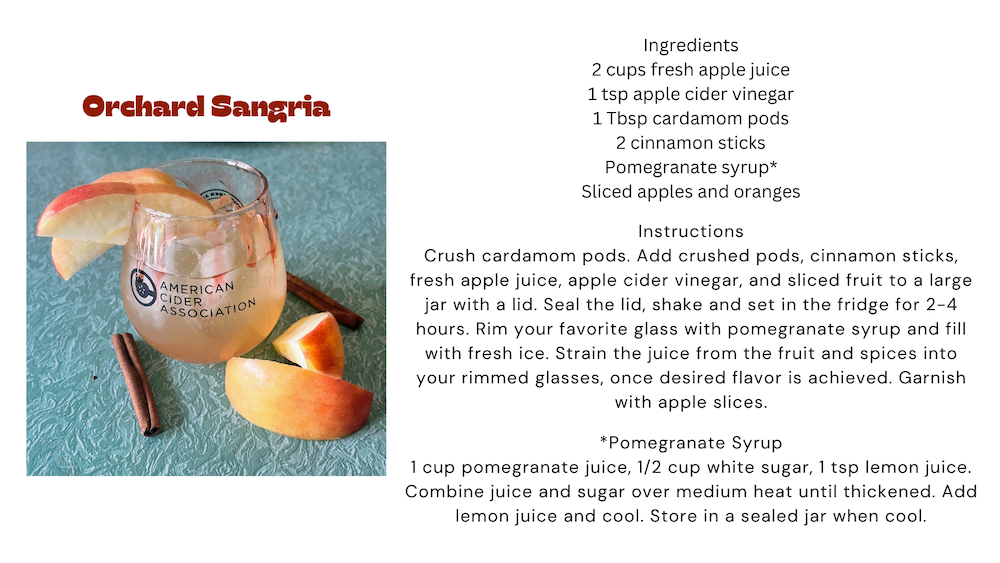
Spooky Cider Cocktails


Virginia Cider Trail Fall Events
Fall has officially arrived and apple harvest season is in full swing across Virginia! To celebrate, cidermakers across the state are hosting harvest festivals, pressing parties and cider release events. They would like to invite you to join in their celebrations of the cidermaking season with orchard parties and more. Check out the list below to find a fun event in your neck of the woods or one further afield if you’re looking for a fall weekend getaway!
- October 14: Harvest Release Party & Foodlore Friday at Troddenvale Cider
- October 15: 6th Anniversary Harvest Party at Blue Bee Cider
- October 15: Pomona Party at Cider From Mars
- October 15-16: Fall Festival at Coyote Hole Ciderworks
- October 15-16: Harvest Fest & Sunday Brunch at Courthouse Creek Cider
- October 15-16: Bryant’s Fall Festival at Bryant’s Cider & Brewery
- October 22: OkTOADerfest 2022 at Blue Toad Hard Cider
- October 22-23: Haunted Trail at Coyote Hole Ciderworks
- October 29: Halloween Street Party at Tumbling Creek Cider Company
- October 29: Halloween Dance Party at Stable Craft Brewing
- October 29-30: Haunted Trail at Coyote Hole Ciderworks
- November 5: 22nd Annual Apple Harvest Festival at Albemarle Ciderworks
- November 5: Apple Harvest Festival & Makers Market at Sage Bird Ciderworks
- November 11: Buskey Hewes Crab Cider Release Party at Buskey Cider
- November 11: Cider Smackdown at Albemarle Ciderworks
- November 12: Apple Butter Festival at Bryant’s Cider & Brewery
- November 12: Lake Anna Cider Festival at Coyote Hole Ciderworks
- November 12: VA Cider Week Kick-Off Party at Cider From Mars
- November 19: Cider & Sides Dinner with Henway Hard Cider
- November 19: Harvest Hoedown at Potter’s Craft Cider
We hope you’ll take the time to visit one or more of these fantastic fall events and learn more about Virginia apples and the ciders made from them. And don’t forget to check in on your Virginia Cider Trail Passport for a chance to earn prizes!
Third Exam of 2022 Welcomes Eight New Certified Pommeliers™


The American Cider Association announced on September 15, 2022 that they awarded eight new beverage professionals with the esteemed title of Certified Pommelier™. The new cohort passed the required exam on August 18 at the Angry Orchard Innovation Cider House in Walden, New York. The new Certified Pommeliers™ are from New York, Virginia, North Carolina and Russia. From New York are Elissa Booth, Joe Gaynor, and Matt Wynkoop of Angry Orchard; Paige Flori of Boutique Wines, Spirits and Cider; Meredith Collins of the blog Along Came A Cider,; and currently residing in New York–cider enthusiast Marina Borsalina from Russia. From Virginia is Joshua Corl of Back Bay’s Farmhouse Brewery, and from North Carolina is cider enthusiast Adam Snyder.
Cider is a beautifully nuanced beverage with a diverse set of elements that are often misunderstood by food and beverage professionals. Certifications are increasingly used in the professional realm to set oneself apart as an individual with specialized knowledge, though cider is often covered in a cursory manner by most certification programs, if at all.
“At the center of what we do at Angry Orchard is innovation, and education is at its core. We were thrilled to host a Certified Pommelier™ exam on the East coast and give more industry members the opportunity to advance their education,” says Will Loughlin, Certified Pommelier™ and Assistant Cidermaker at the Angry Orchard Innovation Cider House. “We see the Pommelier certification as an excellent tool to highlight exceptional individuals, as well as the cider industry as a whole. We’re thrilled to see interest in the exam growing and gaining more standing alongside wine and beer programs.”
The American Cider Association established its Certified Cider Professional (CCP) program in 2016 to educate those on the front-line of cider sales. The program began with a Level 1 certification to help those in the industry develop a fundamental understanding of cider. Recently, the ACA was pleased to celebrate 2000 Certified Cider Professionals.
The Certified Pommelier™ certification was developed to move beyond a fundamental understanding and to encourage cider professionals to think critically while demonstrating a higher understanding of the elements of cider. The rigorous test consists of five types of questions: short answer, fill in the blank, matching, essay and blind sensory (based on tasting).
“The Certified Pommelier™ exam is designed to be challenging, ” says Michelle McGrath, Executive Director of the ACA. “However, accessibility remains important. We’re rolling out more and more study aids in 2022, with a book on the horizon.”
The next Certified Pommelier™ exam is planned for February 1, 2023 at CiderCon® 2023 in Chicago, Illinois. You can learn more and register for the exam at CiderCon® 2023 on the ACA website.
The ACA asks that you contact Cider Education Outreach Manager Jennie Dorsey if you have questions about the program or are interested in taking either the Level 1 Certified Cider Professional test or the Certified Pommelier™ exam. You can also learn more at https://ciderassociation.org/certification.
###
ACA Celebrates 2000 Certified Cider Professionals
Cider can be a misunderstood beverage and with its increasing popularity in the United States the American Cider Association felt it was vital to create an education based program that would help those who work on the front line of cider sales speak in a knowledgeable manner about the ciders they’re selling, serving, and supporting. Thus, in 2016 the American Cider Association founded the Certified Cider Professional program (CCP) to educate those in retail and trade about cider. The success of the program is in the numbers. In just six years, 2000 people have become Certified Cider Professionals.
“We couldn’t be more delighted that 2000 have chosen to become Certified Cider Professionals,” says ACA Executive Director Michelle McGrath, “Reaching tastemakers and influencers is part of our broader strategy to increase cider sales and we look forward to watching the ranks of Certified Cider Professionals continue to grow.”
The ACA has continued to improve the CCP program since its inception and now offers a bundle package for those interested in becoming Certified Cider Professionals. The bundle includes a full study guide, an on-demand webinar, and access to the online 60 question exam. There are bulk discounts available for those wishing to get their staff certified and discounted pricing available to ACA members.
In addition, the ACA has developed a second tier Certified Pommelier™ designation. Certified Pommeliers™ must have a fundamental understanding of all topics covered in CCP Level 1, but must also be able to think critically and use the basics to demonstrate a higher understanding of the elements of cider. In order to become a Certified Pommelier™ candidates must sit for an in person exam that consists of five types of questions: short answer, fill in the blank, matching, essay and blind sensory (based on tasting). So far, 38 people have passed the rigorous exam and you can get to know them on the Certified Pommelier™ page.
To learn more about the Certified Cider Professional program you can head to the Certification page of the ACA website. For more information about the program, bulk discounts, and member discounts contact Cider Education Outreach Manager Jennie Dorsey.
CiderCon® 2022 Select Synced Audio Presentations Available to Members

The American Cider Association is please to share that we have six synced audio presentations from CiderCon® 2022 held in February in Richmond, Virginia to share with members. If you missed the presentations or were unable to attend CiderCon® this year, now is your chance to do a little catch-up.
These synced presentations can be found in our Membership Portal, as well as presentation notes from many of the sessions held at CiderCon® 2022. You must be a member to access this information and you will be prompted to login to view the presentations.
Cider Cocktails created by Jennie Dorsey
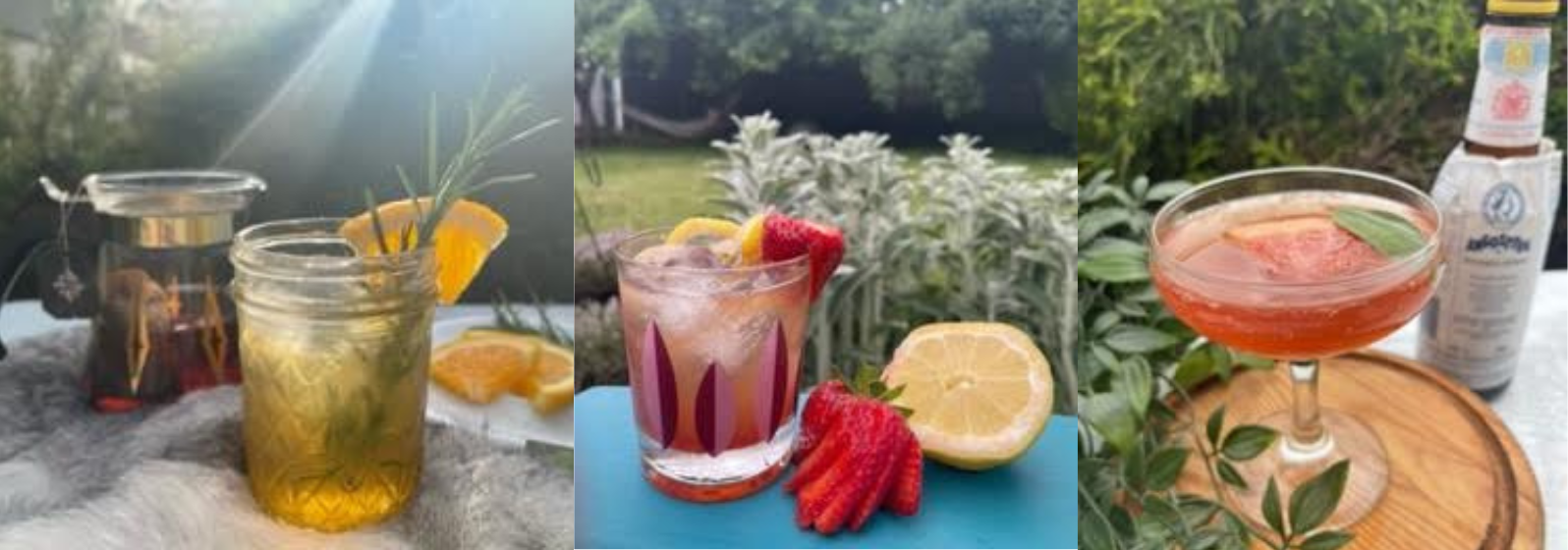
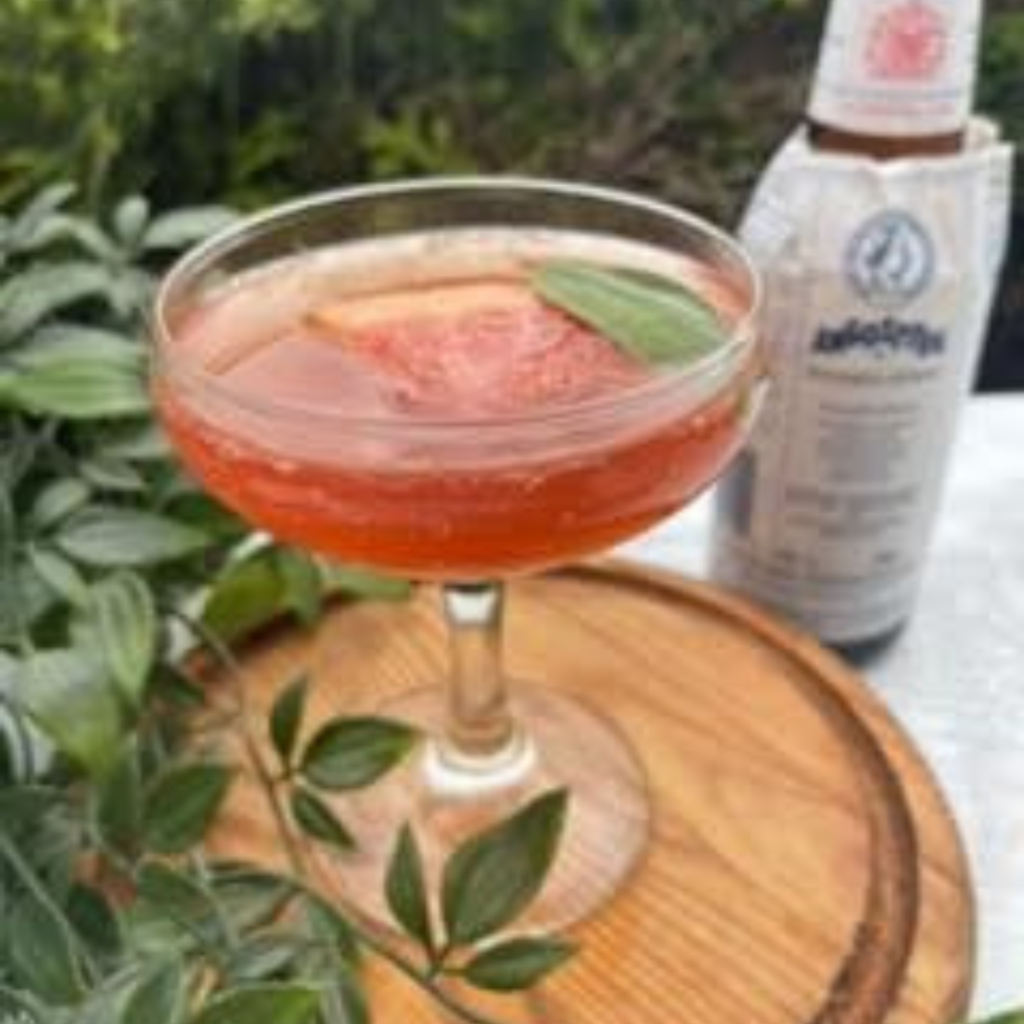
Grapefruit & Sage Cidermosa
Fill glass 3/4 with your favorite dry acid forward sparkling cider
Shake and strain on top:
2 oz. fresh grapefruit juice
1 oz. sage infused simple syrup
3 dashes bitters
Garnish with grapefruit and sage

Red Berry Refresher
Shake and strain over fresh ice:
Juice from 1/2 lemon
1 Tbsp strawberry jam
Fill glass with a dry raspberry cider
Garnish with a strawberry and a lemon twist

Earl of Orange
Build over ice:
2 oz. cooled Earl Grey tea
1 oz. zero proof triple sec
1 oz fresh orange juice
Top with favorite barrel aged cider
Garnish with an orange and thyme
ACA Members Raise Over $7000 for Berryland Cidery
The American Cider Association is pleased to announce that events hosted by ACA members raised over $7000 to help support the efforts of Berryland Cidery to rebuild.
Berryland Cidery is an award-winning Ukrainian cidery, fruit winery and meadery located near Kyiv. In March 2022 Berryland was bombed beyond recognition by Russian troops. Berryland’s owner and cidermaker Vitalli Karvyha is committed to rebuilding. To support Vitalli, cideries and cider industry friends across the United States held events to raise funds to help.
Events were held by Press then Press LLC, Slyboro Ciderhouse, Meriwether Cider, Courthouse Creek Cidery, Liberty Ciderworks, OK Cider Co., Blue Bee Cider, Houston Cider Company, Keepsake Cidery, Ash & Elm Cider Co., Spring Hill Cider Works, Eden Specialty Ciders, 2 Towns Ciderhouse, Lassen Traditional Cider, Space Time Mead & Cider Works, Seattle Cider Company, and Cider Summit.
“We were delighted with the number of events held across the United States to help Vitalli rebuild Berryland,” stated Michelle McGrath, Executive Director of the American Cider Association. “It really shows the camaraderie amongst people in the cider industry, not just here in the United States, but around the world.”
Individuals wishing to support Vitalli in his effort to rebuild Berryland Cider can contribute to this GoFundMe campaign.
Additional Ways to Help Ukraine
Polish cidery Kwasne Jablko has multiple relief efforts underway both in Poland and in Ukraine. Currently, owner Marcin Wiechowski purchased a sprinter van and has organized deliveries of humanitarian supplies. Each week, they buy what is needed and volunteer drivers make the run into Ukraine to deliver them where they are needed.
In addition, Kwasne Jablko is currently supporting 70 refugees. 12 of the refugees are living on their cider farm, while the cidery has rented flats and houses for the others. They assist in job searches, support them financially, and assist in everyday problems that arise.
After hearing about the work Kwasne Jablko has been doing, Eleanor Leger, ACA Board President and owner of Eden Ciders made the decision to begin collecting money to send to Marcin to help him with purchasing and transport. He has set up a special account for the aid work he is doing. If anyone is interested in contributing, please contact Eleanor at eleanor@edenciders.com for more information and details on how you can help.

Member Access: Nielsen 2021 Off-Premise Trends Presentation
This content is for members only.
If you were a member and are now seeing this message, please Renew your membership to continue.
VinoShipper 2021 Sales Trends Data
This content is for members only.
If you were a member and are now seeing this message, please Renew your membership to continue.
ACA Welcomes 9 New Certified Pommeliers™
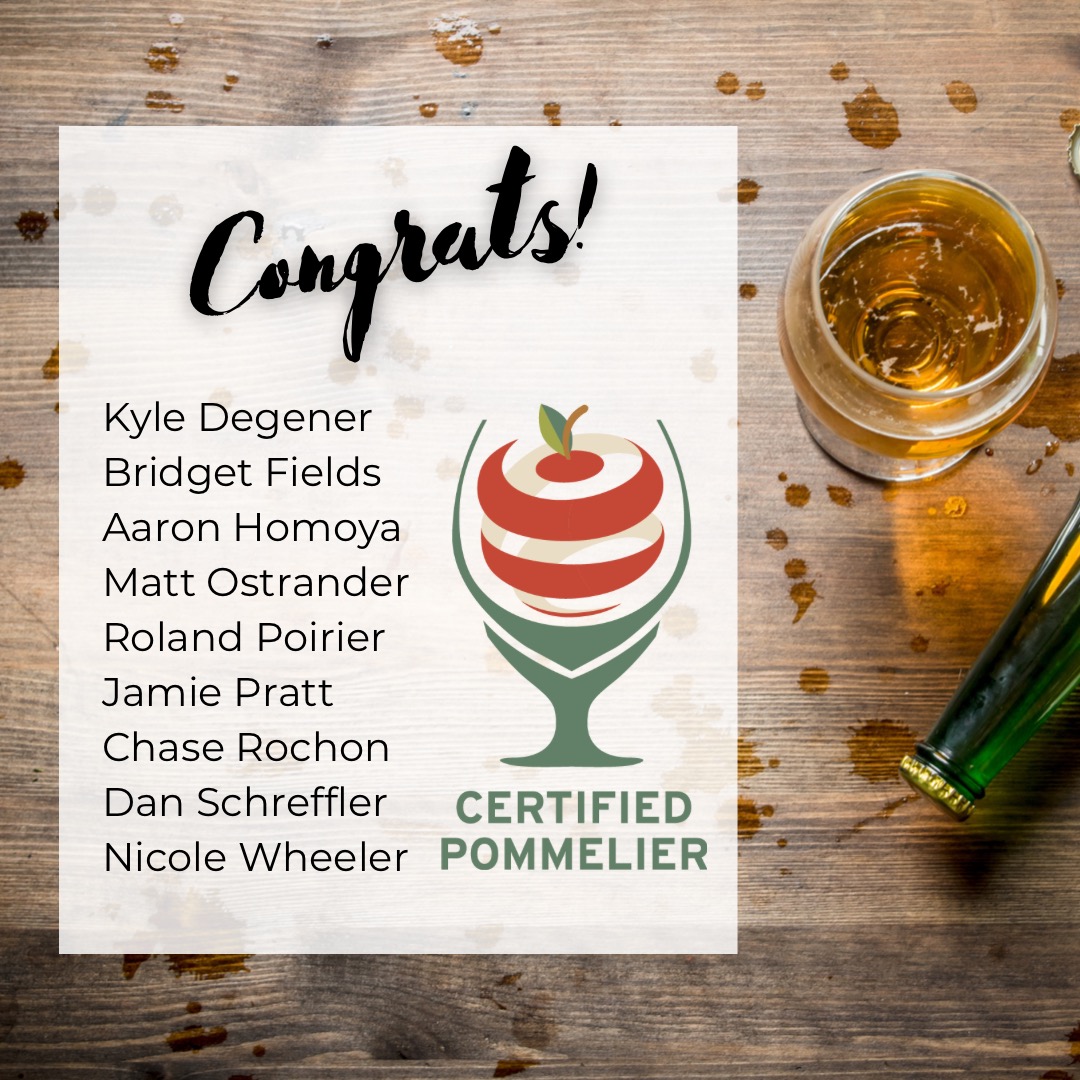
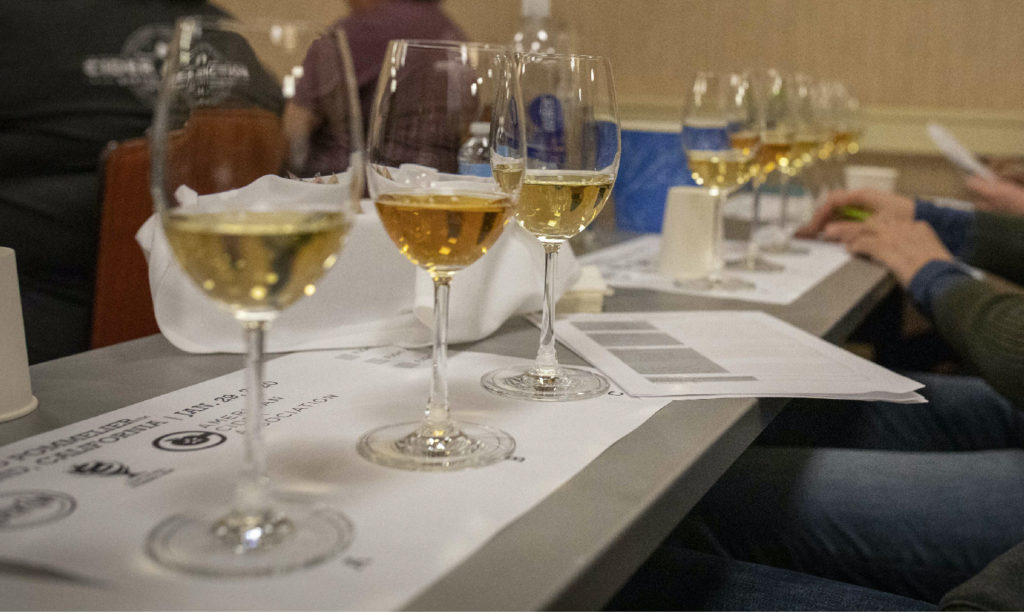
ACA Welcomes 9 New Certified Pommeliers™ to the Ranks of Cider Experts
The American Cider Association is pleased to announce that nine people passed the Certified Pommelier™ exam taken in February at CiderCon® 2022 in Richmond, Virginia. Newly Certified Pommeliers™ are: Matthew Ostrander of Ibantik Craft Beverages (UT), Dan Schreffler of Space Time Mead and Cider Works (PA), Chase Rochon of Craft Curbside (ME), Jamie Pratt of Liberty Ciderworks (WA), Nicole Wheeler of Treehorn Cider (GA), Aaron Homoya of Ash & Elm Cider Co (IN), orchardists Kyle Degener from Holy Beez Orchard, (KY) and Roland Poirier (NY), and cider aficionado Bridget Fields (DC). This is the largest cohort of successful exams on both cider theory and evaluation of the four exams offered to date.
Cider is a beautifully nuanced beverage with a diverse set of elements that are often misunderstood by food and beverage professionals. Certifications are increasingly used in the professional realm to set oneself apart as an individual with specialized knowledge, though cider is often covered in a cursory manner by most certification programs, if at all. This led the American Cider Association to establish its Certified Cider Professional (CCP) program to educate those on the front-line of cider sales.
The Certified Cider Professional program began with a Level 1 certification to help people obtain a fundamental understanding of cider. The Certified Pommelier™ certification was developed to move beyond a fundamental understanding and to encourage cider professionals to think critically while demonstrating a higher understanding of the elements of cider. Preparation for the exam demands months, if not years, of study and practice evaluating cider.
“The Certified Pommelier™ exam is designed to be rigorous. ” says Michelle McGrath, Executive Director of the ACA. “However, accessibility remains important. We’re rolling out more and more study aids in 2022, with a book on the horizon.”
The next Certified Pommelier™ exam is planned for June 20, 2022 in Seattle, Washington, and the ACA will announce one more test opportunity before CiderCon® 2023 in Chicago, Illinois.
The ACA asks that you contact Cider Education Outreach Manager Jennie Dorsey if you have questions about the program or are interested in taking either the Level 1 Certified Cider Professional test or the Certified Pommelier™ exam. You can also learn more at https://ciderassociation.org/certification.
###
Open That Cider Bottle February 26
Open a special bottle of cider this Saturday, February 26, 2022!
This Saturday, February 26 is Open That Bottle Night. Open That Bottle Night was started back in the year 2000 by two Wall Street Journal columnists, Dorothy J. Gaiter and John Brecher. Held on the last Saturday in February of each year, this day encourages folks to open up that special bottle and share memories.
While they may have been talking about wine, we know that there’s a lot of special bottles of ciders with great stories sitting on shelves and in cellars just waiting to be opened and have their stories told. So we’re asking you to open one of those special bottles and share your cider bottle story on Instagram.
Is it a bottle from the first batch you ever made? Does it have a unique apple variety that you’ve been wanting to try? A cider you stumbled upon while on vacation? A cider gift from a friend that you’ve been saving? A cider that you fell in love with the first time you tried it and had to add it to your collection?
Silly or poignant, we want to hear them all! Tell us and the world your cider bottle story and post it to Instagram with the hashtag #openthatciderbottle this Saturday, February 26, 2022!
Cider Production Survey
Please fill out the 2021 Cider Production Survey!
The American Cider Association would appreciate your help in aggregating production information for U.S. cideries for 2021. We collect this information in order to help advocate for cidermakers with Congress, the media, and buyers.
This survey will take about 20 minutes to complete. This survey is being collected by an independent third party who has agreed not to share information with us that might identify who you or your cidery are, and to only share aggregate data with us. YOUR PRIVACY MATTERS TO US.
Your cidery name is collected by the 3rd party to ensure there are no duplicates, but the ACA will never see that information.
We do ask a number of questions about sales and production for 2021. You will find it helpful to have that data handy before completing the survey. Thank you for taking the time to complete this survey! Note: If you produce wine or other beverages besides cider, please answer only considering your cider production.
Deadline extended to Thursday, March 10, 2022! Fill out the survey now before time runs out.
Urge Congress to Replenish the Restaurant Revitalization Fund
While we appreciate Congressional support for the Restaurant Revitalization Fund, it is clear that cideries and others in the hospitality industry are still in need of additional support. Submitted claims far outstripped what was provided in March 2021 by approximately $50 billion. Refilling the RRF is an important step in the hospitality industry’s recovery from the COVID-19 crisis.
New bipartisan legislation provides much-needed economic relief to the hospitality industry, including restaurants, bars, cideries, and other craft alcohol businesses with tasting rooms. With fewer Americans dining out, traveling, or gathering for events, these businesses have seen dramatic declines in revenue and struggled to reopen. Through this legislation, eligible entities may receive grants to help cover payroll, mortgage or rent payments, utilities, operational expenses, and other eligible expenses.
We’re asking Congress to provide relief to hospitality businesses still struggling to survive, and we need your help. After Congress established the Restaurant Revitalization Fund (RRF) last spring, the initial round of funding left 177,000 eligible businesses without a penny of relief.
According to research by the National Restaurant Association, the RRF saved more than 900,000 jobs at restaurants that received grants. Their estimates indicate that fully funding the RRF will save more than 1.6 million restaurant jobs.
Congress is weeks away from considering a spending bill for all government operations. It’s critical that this package include additional support for the RRF!
Join us in urging your Members of Congress to support additional funding for the Restaurant Revitalization Fund (RRF) by passing the Continuing Emergency Support for Restaurants Act (S. 2675)!
The Crafty Cask Giveaway
This content is for members only.
If you were a member and are now seeing this message, please Renew your membership to continue.
GLINTCAP – What You Need to Know
Please read below for the latest updates on GLINTCAP 2021 from competition director Eric West including tentative scheduling for 2021 and how to submit your entries.
Based on what is currently known about the pace of the COVID-19 vaccine rollout in the US, the 15th Annual Great Lakes International Cider and Perry Competition (GLINTCAP) will be rescheduled for late July to early August. This postponement will ensure the safety of our judges, stewards, and staff, and allow the judging to be held as normally as possible.
When the rescheduled event dates are confirmed with the venue, we will make an official announcement via email and social media. Until then, we ask that potential volunteers not commit to specific travel plans.
Entry registration for the 2021 event is open from now until Friday July 2nd at https://glintcap.org/register/. Entry fees are frozen at their 2020 levels: $75 per Commercial Division entry and $22.50 per Noncommercial Division entry. There will be no Early Registration window or Late Registration window for 2021.
There is no limit to the number of entries you may register in 2021, and you may register additional entries until registration closes on Friday July 2nd, simply by submitting a new entry form. You may not, however, enter the same product into multiple style categories. Visit https://glintcap.org/rules/ for a complete list of rules and regulations.
Samples must arrive at a designated collection point no later than Friday July 16th. Collection points in the United States (Vander Mill) and Canada (Twin Pines) remain the same as in recent years. Visit https://glintcap.org/shipping/ for complete details.
Entrants who registered in 2020 can make changes to their entries at no cost by emailing me (eric@ciderguide.com) between now and Friday July 2nd. These changes include swapping out one cider/perry for another, or editing details for an existing entry such as apple/pear varieties and ABV. Search your email account for the subject “GLINTCAP 2020 Entry Confirmation” for a record of what you have previously entered.
If you already shipped your samples in 2020 and wish to send fresher samples for the July 2021 event, we are offering a $20 refund per Commercial Division entry and a $10 refund per Noncommercial Division entry to offset your costs. Please email me (eric@ciderguide.com) to confirm whether you intend to send new samples for the July 2021 event.
We are now accepting judge applications for this year’s competition. There are also volunteer opportunities available for stewards, who pour samples for judges and help organize paperwork. Please visit https://glintcap.org/volunteer/ and complete the questionnaire if interested. If you registered to volunteer in 2020, please email me (eric@ciderguide.com) to confirm whether you intend to participate in the 2021 event.
We appreciate your understanding of yet another postponement. We will reach out again when the rescheduled dates for the judging are confirmed, and will notify you of any changes that may impact the timing or format of the 2021 event.
Eric West
Competition Director
Restaurant Revitalization Fund Webinar with SBA
This content is for members only.
If you were a member and are now seeing this message, please Renew your membership to continue.
Annual Membership Meeting Recording Available!
In the meeting, we reviewed last year’s accomplishments, took a look at our new strategic plan, and talked about our future activities to support the cider industry.
You must be an Active ACA Member to view the Annual Membership Meeting. You can become a member or update your membership here.
Check out the recording of this year’s ACA Annual Membership Meeting by clicking here! You will be prompted to login prior to being able to access the link to the recording.
Building a Tech Stack for Your Cidery: 10 Questions You Should Ask Tech Vendors

#SponsoredContent by Ekos
If you’re reading this blog, you probably already know that technology is essential to any craft cider businesses. “Software gives the craft market a leg up against the larger, more entrenched beverage companies,” said Josh McKinney, Ekos CEO and co-founder. You might only have the resources to hire a small team, but technology allows you to make the most of what you have. “If it makes your team more efficient so you can spend more time with customers or on differentiating your brand in the market, then it is time and money well spent,” said McKinney.
So, you’ve determined you need to invest in a piece of software, but you’re not sure which vendor to choose. Before you start evaluating your options, make sure you know the problem you’re trying to solve and your desired outcome. For example, if you’re looking for inventory software, are you trying to get more organized? Communicate better with your team? Keep more accurate records? Sync inventory transactions with your accounting software to save time? Whatever your goal, make sure you (and any other stakeholders) nail it down and figure out what features the tech solution should have in order to meet your needs.
Want to learn what technology cideries are using for POS, ecommerce, accounting, inventory, sales and more? Download an analysis of 1,500 cideries and breweries.
5 Tips for Choosing a Software Solution
1. Make sure the vendor can solve your problem.
Now that you know what you’re trying to accomplish, it’s time to evaluate vendors on how effectively they can help. Once you’ve reviewed basic marketing materials to get an idea of what the software offers, be sure to set up a demo so you can see what the product actually looks like and how it works. But remember: no solution will be 100% perfect, so prioritize your top features and make sure the vendor checks off the most important boxes.
Depending on your specific needs, some general categories to consider include:
- Analytics, reporting, and business intelligence capabilities
- How you can access the platform (look for a cloud-based system)
- Integrations to other software you’re already using.
2. Set a budget, and make sure you know the “all-in” cost.
Using technology to solve your problems costs money, but fitting it into your budget is possible as long as you know the true cost. Most software-as-a-service (SaaS) companies will charge a subscription fee, but make sure you ask for all other associated costs. For example, does the company charge you for each additional user? Or, for an ecommerce or POS system, what are their website hosting or credit card processing fees?
Keep in mind that a cheap solution is often just that — cheap. Instead of trying to find a cut-rate option, simply decide how much you can afford to spend and add it to your list of considerations as you evaluate vendors.
3. Find out if the vendor is familiar with your industry.
Many craft beverage businesses have found out the hard way that big software companies cater to enterprise clients and are often ill-equipped to handle the needs of a craft cidery. Sure, they’ll tell you their platform can be used for anything — which really means the platform is incredibly generic with few, if any, features that are specific to cider production.
Plus, frankly, you’ll likely struggle to get hands-on support when you’re competing for attention against companies with multi-million-dollar, or even billion-dollar, annual revenues. Ask vendors if they are well-versed in working with businesses of your size and type — but you’ll probably be able to tell quickly just based on their industry knowledge (or lack thereof).
4. Investigate your options for customer support and any associated fees.
Another important factor to consider is what types of support the vendor makes available. Ideally, you would have the option of online and phone support in addition to a database of help articles. Make sure you understand the support packages and choose the one that makes sense for your team. You’ll also want to know whether you get hands-on onboarding and training (with a real person) as a new customer, and the company’s overall commitment to service. Will you have to wait a week for a response to a support ticket? If you have a problem during off-hours, is there a robust database of support articles for you to reference? What about ways to give product feedback? These should all be questions you ask.
5. Talk to your peers and ask for customer references.
This one’s a no-brainer, but if a company can’t offer references within your industry, you might want to look elsewhere. Ask the vendor to provide references that are as similar to your business as possible so you can properly compare.
Questions to Ask Potential Tech Vendors
- How will your software help us achieve our goals?
- What does an ideal relationship between us look like?
- What is your commitment to service?
- What’s your company mission?
- What is my “out”?
- What happens if/when challenges arise? How do you handle conflict?
- Knowing my needs, what is the “all in” cost to use your software?
- Is my business type and size typical for your client base?
- Is your software easy to use on a mobile device?
- How easy is it to get support? Does it cost anything?
To learn more about the tech solutions craft makers rely on, download Building a Tech Stack: An Analysis of Breweries and Cideries and get insights from 1,500 craft producers.
Download the Q4 Cider Trends Report
This content is for members only.
If you were a member and are now seeing this message, please Renew your membership to continue.
Exploring Diversity of Cider Profiles Through the Selection of New Yeast Strains
by Etienne Dorignac –Technical Manager, Fruit Fermentation
#SponsoredContent by Fermentis
Introduction
Although the global cider market has been constantly growing over the past 15 years, , the growth rate has progressively slowed down in the last 5 years. In fact, we see from the last data published (AICV) that the significant increase of consumption observed between 2005 and 2015, from 13.5 million hectoliters (MhL) to 24 MhLs, mainly driven by new regions such as North America, Australasia and Africa versus older markets such as West Europe and Latin America, progressively flattened out to reach about 26 MhLs in 2019. In addition, the distribution between regions has not been changing much in recent years… In this context, cidermakers are facing competition challenges and need to find new ways to boost their market by standing apart from each other. Among the main diversification tools they have in hands, the choice of the raw materials and the recipe; but also the selection of the yeast strain and the conditions applied to carry out the fermentation can drastically affect cider organoleptic profiles. In this way, Fermentis R&D selected 4 new yeast strains dedicated to ciders whose characterization will be presented in this article.
Evaluation of different yeast strains through different types of cidermaking
- Cider?
What could be considered as a “cider” is actually very variable depending on the countries and the substrates: 100% apples, types of apples, addition of other fruits such as pears, usage of juice, concentrates or external sugars. In addition, the number of recipes can hugely differ, what makes a standard study almost impossible.
As a consequence, the characterization was based on 4 major recipes that could embrace the main problematics faced by cidermakers around the world: types of apples used, source and quantity of sugars, completion or voluntary stop of fermentation (to eventually leave some residual sugars) and fermentation temperature.
The different recipes are detailed in Table 1.
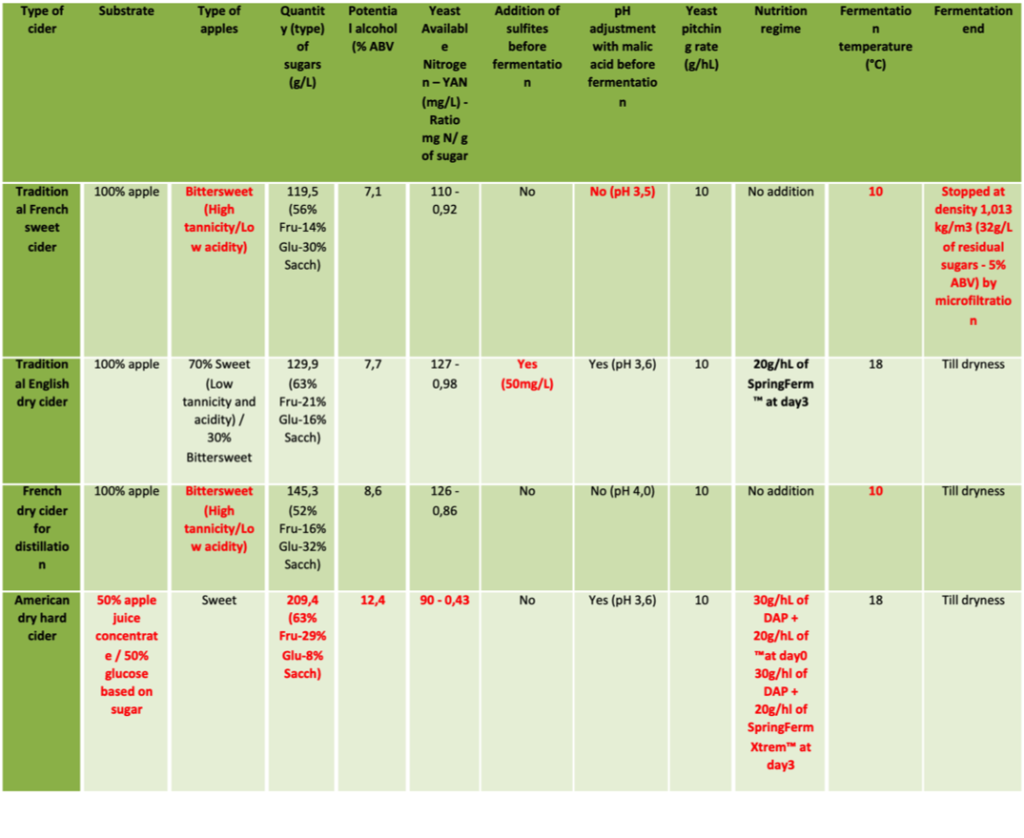
All fermentations have been carried out at the experimental cellar of the Institut Français des Productions Cidricoles (IFPC), French research institute specialized in cidermaking; in 15L glass vessels, with a standardized oxygen rate addition (1.5mg/L) and under inert atmosphere (N2).
2. Strain characterization
It is easily understandable that, from the traditional French sweet cider to the American hard dry cider, most of the fermentation conditions are becoming increasingly difficult even though nutrition and temperature were adjusted. It was then interesting to try different yeast strains through all these recipes in order to select the most diverse and interesting ones. From more than 20 strains evaluated, we’ll highlight the main results for 4 of them (SafCider™ AB-1, SafCider™ TF-6, SafCider™ AS-2 and SafCider™ AC-4) , more specifically as it relates to their robustness; and their analytical and aromatic profiles.
a. Robustness
To assess the robustness of the strains towards difficult fermentation conditions, i.e. high sugar concentration (and content in the most difficult to assimilate fermentable sugars, i.e. fructose), low pH, nutrient deficiency, low temperature… Figure 1 shows the kinetics as well as the remaining sugars at the end of the fermentation in the hard cider. The strain SafCider™ TF-6 clearly stands apart from the other strains as it was not able to finish the fermentation and typically left ~25 g/L of sugars, among which fructose was a major part. This feature was observed in most of all matrices, as TF-6 was only able to finish the fermentation till dryness in the English cider (high YAN, low tannicity, then less inhibition and more O2 availability, high temperature), highlighting the bigger needs of this particular strain and the fact that the selection can be crucial depending on the cidermaker target. A higher sensitivity to high concentration of SO2 (50 mg/L maximum) is as well to be noticed for this strain.
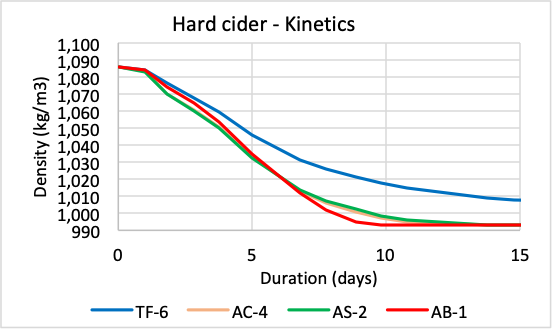
b. Analytical Profile
All basic analytical parameters at the end of the fermentation have been determined. Among the most interesting ones, the acidity profile is of particular interest as it reflects the metabolic behavior of the strain that could have a real impact on the organoleptic profile. Figure 2 shows the acidity profiles of strains in the English cider recipe. Most significant with SafCider™ AB-1 and maybe not as much with the other strains, we could see that some strains are able to consume the major organic acid present in apples, i.e. the malic acid, in significant amount through the malo-ethanolic pathway; and thus decreasing the total acidity and its feeling. To the contrary, some strains, such as SafCider™ AC-4, are preserving this acidity and maintain a crispy feeling (observed but not shown here). Moreover, the ability of strains to produce acetic acid during fermentation from the glycolysis pathway can also affect the aromatic profile, degrading its quality at too high concentration (vinegar flavors). For this attribute, all strains were selected for their low production with always the SafCider™ TF-6 being a “clean” strain towards deviations like SO2 and acetaldehyde production as well.
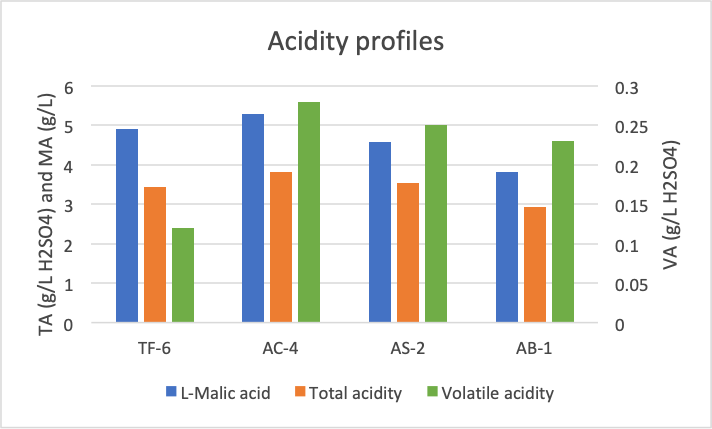
c. Aromatic Profile
In addition to higher alcohols, two major types of aromatic compounds are produced by yeast strains during fermentation and have a significant impact on the aromatic profile of all beverages: (1) the acetate esters, whose most famous and abundant one is the isoamyl acetate with its distinctive banana and candy notes and which is recognized as an overall aroma enhancer; and (2) the ethyl esters, whose most abundant ones are the linear chain ethyl esters from 4 to 10 carbons (C4-butanoate, C6-hexanoate, C8-octanoate and C10-decanoate) and which confer more discrete but more complex floral and fruity characters. Huge differences in the release of these compounds can drastically affect the flavor perceptions of beverages, the same applying for ciders. In Figure 3, all matrices have been taken to compare the aromatic behavior of the strains in different conditions.
We noticed big differences between strains; and even if aromatic compounds concentrations were of course impacted by the recipe and more specifically the amount of sugars fermented (especially for isoamyl acetate whose acetate part is directly linked to the glycolysis pathway), we could extract common trends. Except for the English cider, SafCider™ TF-6 showed always higher production of isoamyl acetate than others. This will be illustrated in terms of flavor but also aromatic intensity in the last paragraph of this article. For the English cider only, SafCider™ TF-6 was indeed able to dry the sugars and not leave any residual sugars, suggesting a strong relationship between the stress generated at the end of the fermentation and the aroma produced. SafCider™ AC-4 showed particularly high but quite stable ethyl esters production (driven by ethyl octanoate – fruity/floral), hypothesizing a reliable complexity in the flavors. SafCider™ AB-1 and particularly SafCider™ AS-2 increased their ester production along with the difficulty of the recipe with SafCider™ AB-1 being on the low values, more respecting the raw material.
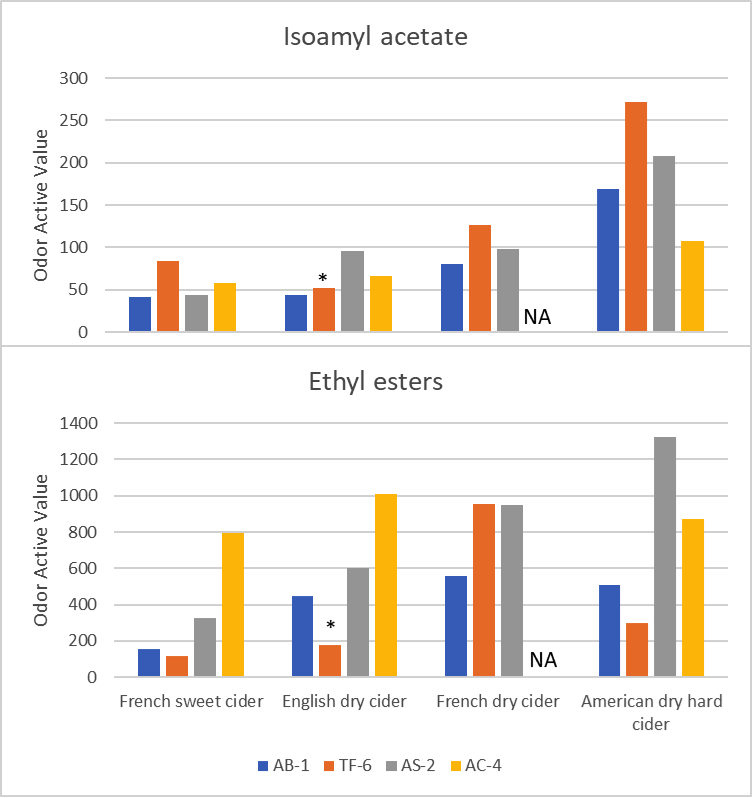
*: Sole recipe in which TF-6 was able to dry the sugars. NA = Non-Available.
Focus on French Traditional Sweet Cider – Strain Baseline
Relying on the expertise of IFPC and their trained taste panel specialized on French traditional sweet ciders, professional tastings have been carried out on French cider experiments, both stopped with around ~30 g/L of residual sugars (called “Brut” ciders in French). The specificity of this tasting was to assess first the global fruitiness of the ciders with two major descriptors: (1) “Fruity/Floral” corresponding to fresh fruit (apple, pear, banana…) feeling; and (2) “Cooked fruits” related to ripe or processed fruits (like compote), aromas that are not necessarily looked for but adding complexity to the final cider. After this evaluation, it was then asked to tasters to detail fresh and cooked fruit notes to identify the aromatic drivers for each strain and to evaluate off-flavors as well, such as phenolic and sulfury aromas. Finally, a simple evaluation of the basic tastes was done: Sweet, acid, bitter and astringent.
From these tastings, SafCider™ TF-6 (especially) and SafCider™ AS-2 were scored as the highest in fresh but also cooked fruits, whereas SafCider™ AC-4 was judged less expressive and predominantly oriented towards freshness; and SafCider™ AB-1 was more discrete (data not shown).
More interesting were the detailed fresh fruits perceived by tasters as shown in Figure 4. Obviously, sensory characterization of all ciders was driven by detection of apple notes, but SafCider™ TF-6 scored high for most of the fruits, especially banana-pear and red fruits. SafCider™ AS-2 and SafCider™ AC-4 respectively exhibited more citrus and floral notes, whereas SafCider™ AB-1 was mainly centered on apple.
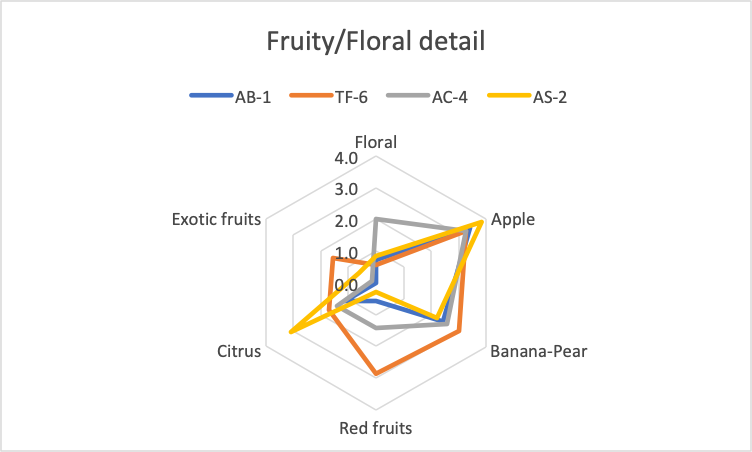
Both these general and detailed notes are actually quite well related with the production of aromatic compounds highlighted in the previous paragraph; with higher production of isoamyl acetate by SafCider™ TF-6, offering thus more aromatic intensity but enhanced aromatic complexity towards the other fruits as well; followed by SafCider™ AS-2 and SafCider™ AC-4, the latter producing mainly ethyl esters such as ethyl octanoate; which could explain these red fruits and specifically floral notes. SafCider™ AB-1 was the less exuberant and expressing more the raw material thanks to its quite discrete aroma production.
Together with mouthfeel attributes assessment (data not shown) confirming higher acidity feeling for SafCider™ AC-4 in line with its acidity maintenance and the sweetness feelings for SafCider™ TF-6 and SafCider™ AS-2 possibly linked to their high candy-like aromatic intensity and their higher remaining fructose level (higher sweetening power than glucose or saccharose), Fermentis suggested the map in Figure 5 to describe the impact of these 4 yeast strains and to serve as a baseline for cidermakers in their choices.
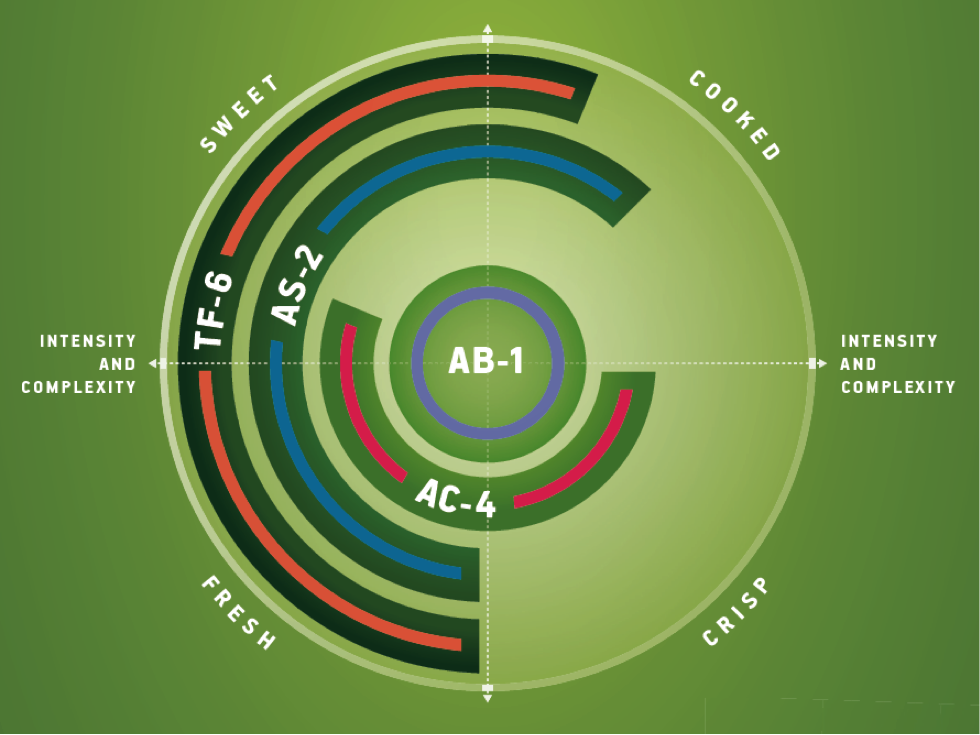
Conclusion
Yeast strains may have a huge impact on cider profiles, not only in terms of fermentation performances and analytics but for sure also from a sensory perception standpoint. As such, they can be considered as a powerful tool to diversify the cider offer in the market and cidermakers can play with them to achieve their final product target. For this purpose, Fermentis focused its research on the selection of valuable strains dedicated for ciders. SafCider™ AB-1 (Apple Balanced) will suit for all types of balanced ciders even under difficult fermentation conditions. SafCider™ AS-2 (Apple Sweet) will bring to sweet and dry ciders complex aromatic profile between fresh and cooked fruits and a rounder mouthfeel. SafCider™ AC-4 (Apple Crisp) will be applied for highly fresh and crisp sweet or dry ciders. SafCider™ TF-6 (Tutti Fruiti) will be dedicated to intensely fruity but rather sweet and round ciders!
CiderCon 2021: Sustainability Leadership Action Group
This CiderCon session will take place Thursday, February 4, Noon to 1PM PST.

This facilitated Leadership Action Group breakout session begins the process of exploring the practices and metrics that are – or could be— the call signs of a sustainable cider enterprise and industry. This interactive session kicks off with a brief orientation on sustainability and measurement with sustainability strategy and reporting expert Lisa Spicka of Maracuja Solutions. With this background as reference, participants will share sustainability successes and challenges with peers. Finally, the group will work through a series of discussions to identify how sustainability might be leveraged to elevate the performance and reputation of the cider industry and its businesses, with a focus on the metrics that might be measured to help tell the story. You won’t want to miss being a part of this Thought Leadership initiative!
Pre-Registration Requested: To enhance session outcomes, we request that participants pre-register via this Google Form by February 2nd. The Form (@ 5-10 minutes to complete) includes simple background questions. However, you won’t be turned away if you “show up” the day of the session!
Buy Cider Direct from CiderCon® 2021 Featured Speakers
While we may not have our normal tasting sessions at CiderCon® this year, you CAN purchase the ciders made by our wonderful speakers to sip on while you participate in a virtual CiderCon® from the comfort of your home. We’ve compiled this helpful guide (listed by session, cidery, and speaker) of where you can buy cider online from the cidermakers speaking at CiderCon® 2021. Make your purchases today so they will arrive in time to enjoy during the conference—or, purchase them later to enjoy during a replay of one of the 35+ recorded CiderCon 2021® sessions.
Factors to Consider When Making Sparkling Cider
- Angry Orchard – Ryan Burk (Walden, NY Pick Up Only)
Strategies for Creating a Successful Blend
- Silo Distillery – Nicole Leibon
- Eve’s Cider – Autumn Stoscheck
- Horse & Plow – Chris Condos
Quince Fermentation
- Art + Science – Dan Rinke and Kim Hamblin
- South Hill Cider – Steve Selin
- Little Pomona – James Forbes
- Pilton Cider – Martin Berkeley
Co-Fermentation in Natural Cider
- Zafa Wines – Krista Scruggs
- Wildcraft Cider Works – Sean Kelly
- Botanist & Barrel – Kether Smith
Improving the Shelf Life of Canned Cider
- 2 Towns Ciderhouse – Dave Takush
- Austin Eastciders – Brittnay Perlo
How to Build the Financial Section of Your Business Plan
- Artifact Cider – Jake Mazar
Cidernomics 102: Evaluating Sales Channel Economics
- Eden Ciders – Eleanor Leger
Consumer Expectations of Single Varietal Ciders
- Alpenfire – Philippe Bishop
- Blue Bee Cider – Courtney Mailer
Winter Orchard Care 101
- James Creek Cider House – David and Ann Marie Thornton
Cider Clubs: Growth, Opportunities, & Tools
- Haykin Family Cider – Talia Haykin
New CiderCon Session: Fermenting with Quince
Was Aphrodite’s Forbidden Fruit a quince or the apple? She’s not talking, but cidermakers will be at CiderCon®!
Quince a.k.a. Cydonia oblonga is the sole member of the genus Cydonia in the family Rosaceae. Quince is a ‘pomme’ fruit with the likes of apples, pears, and medlars. This golden pomme is having a renaissance of sorts with makers partly due to it aromatic qualities and tannins.
Kim Hamblin and Dan Rinke of Art + Science in Oregon, Steve Selin of South Hill Cider in New York and UK makers Martin Berkley of Pilton Cider and James Forbes of Little Pomona will discuss fermenting with quince with moderator Ria Windcaller of Cider Chat.
Learn more about this and other CiderCon® sessions HERE!
Reflections on ACA’s Equity & Inclusion Training with Board Member Brooke Glover
I volunteer as Vice President of the Board of Directors of the American Cider Association (ACA) because I care deeply about the cider industry and appreciate that the Board is very involved and active in the ACA’s work and mission. As part of the ACA mission statement to create a diverse cider industry, and part of our commitment to antiracism we made back in June, the ACA recently hosted an equity and inclusion training for our Board of Directors on November 10th
Dr. J Jackson-Beckham, the principal at Crafted for All and a trusted advisor with the ACA, was tapped to lead the training on Building Foundations for Equity & Inclusion. During the training, Dr. J reminded us that we were in a safe space and that we needed to feel comfortable to ask questions and express ourselves freely without judgment. After a really funny icebreaker (what’s your superpower!?), she provided us with her definitions for Inclusion, Equity and Justice (you can find more on that through her Patreon account). Her reason for this was to ensure we had a shared language to use during the training. This became the basis for much of our conversation.
I left with a few takeaways from Dr. J’s training that I think will help guide the ACA toward continuing our important work in this space:
- Filling quotas is not the goal. Our goal is having a diverse industry and that is not attained by simply checking boxes nor will be attained overnight, as much as we want that to happen. To achieve our goal of a diverse industry we must have process and progress.
- Setting small goals over and over again will keep the organization (and our world) moving forward.
- We are beginning to set small goals to track mechanisms for progress and process by:
- Tracking the demographics of speakers at CiderCon
- Continuing to make it known that we want to be inclusive and that all are welcome
- Refining processes for board and committee member development
- Making tools available to members such as policy templates, signage, and job description example verbiage
- We need to continue to be supportive and understanding toward others. We are trying to grow an amazing and robust cider industry and we are all on the same team
- A diverse industry means encouraging all to be a part of the industry— including people who think differently from each other and come from different backgrounds
Lastly, Dr. J gave us some homework to do before we meet again in order to make sure we have action items that come out of the training. We had some amazing discussions over the course of our training and it helped me to think about progress, education, and setting small goals. The ACA and our members seem to be excited to continue to work toward these goals and our overall mission. I am very appreciative of the volunteer work of our Equity & Inclusion Committee and the support of our members. I look forward to growing together as we work toward our shared vision for the industry.
—Brooke Glover, Co-owner of Swilled Dog Cider and ACA Vice President
Now Available: Q3 Nielsen Reports – MEMBERS ONLY
This content is for members only.
If you were a member and are now seeing this message, please Renew your membership to continue.
Annual Membership Survey Time!

We are working to finish a new strategic plan for the American Cider Association, and it’s very important to us that we hear from America’s cideries. You can be a part of guiding our programming to grow and sustain a diverse and successful cider industry by completing our affiliate membership survey.
There are two versions of the survey. One version is for owners/managers and includes benchmarking questions specific to HR and production. That version has been emailed to the main points of contact listed for member accounts.
There is also a version of the survey meant to collect input from non-owners/managers. If you are in the cider industry at all (apple grower, bar tender, keg producer, cider blogger, you name it!), you can take our survey and provide useful feedback.
The survey is completely anonymous. We thank you in advance for sharing with us!
6/23/20 Webinar Recording: Intro to Managing Distributor Relationships
This content is for members only.
If you were a member and are now seeing this message, please Renew your membership to continue.
6/18/20 Recorded Webinar of PPP Loan Forgiveness Updates
This content is for members only.
If you were a member and are now seeing this message, please Renew your membership to continue.
Spring 2020 Apple Crop Conditions
Written by Greg Peck, Assistant Professor of Horticulture, Cornell University
Gee whiz, 2020, you really have it in for us! In the midst of a global pandemic in mid-May apple growers throughout the Midwest and Eastern US endured several nights of potentially damaging cold temperatures. At our research farms in Ithaca and Lansing, NY we had below freezing temperatures on May 6, 7, 9, 13, and 14 (Figure 1).
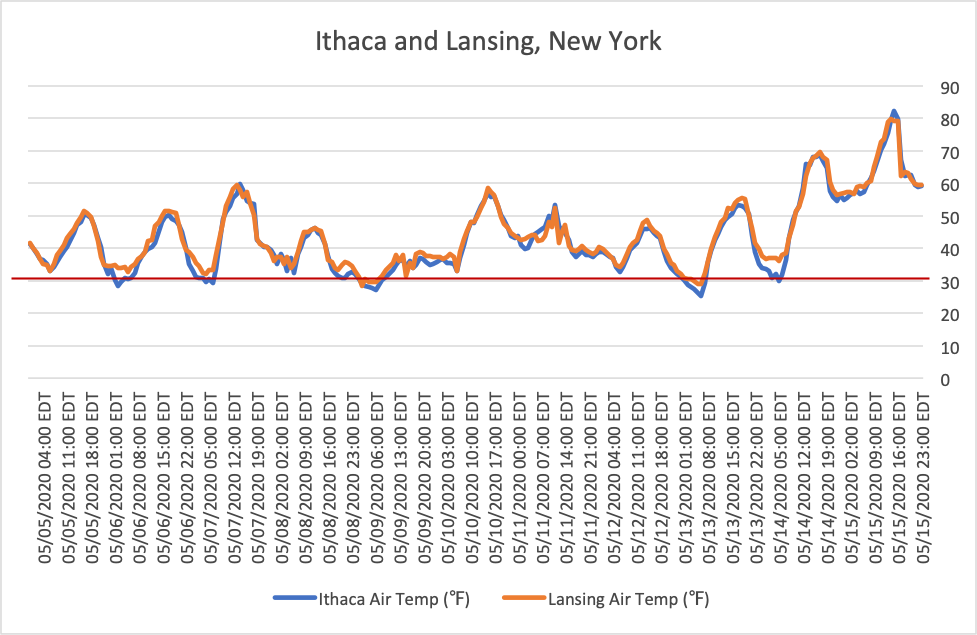
However, it’s important to note that because of the solute concentration in the flower bud cells, and the protective layers around the buds, the absolute cold temperatures typically need to be several degrees below freezing to cause damage (Figure 2). You will also notice that as the flowers develop from silver tip to petal fall, they become more susceptible to freeze damage.
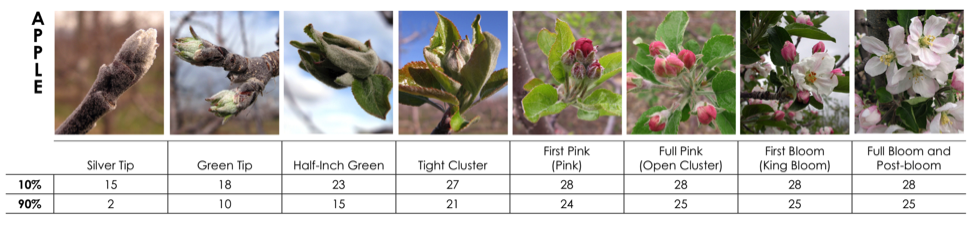
The amount of damage that occurs is also very much so dependent upon the air movement, humidity, number of hours below the critical temperature, tree health, soil moisture, moisture on the bud surface, and if any frost control methods were used, such as wind machines, helicopters, overhead irrigation, or heat. A thorough discussion of frost control methods written by Michigan State University Extension Educator Amy Irish-Brown can be found at: https://www.canr.msu.edu/uploads/files/2013_NW_orchard_show/OrchardShow13Irish-Brown.pdf
Damage to the apple flowers can also vary. Typically, the king bloom (center flower in the cluster that usually becomes the largest apple at harvest) is several days more mature than the side blooms in the whorl. Thus, the king bloom is more likely to sustain damage. For culinary apple producers who sell wholesale, this can be a major problem since pricing is very much tied to fruit size. For cider producers, individual fruit size is less of an issue than tonnage per acre. Additionally, apples typically produce up to 95% more flowers than can reasonably be carried as fruit (not to mention that over-cropping leads to biennial bearing) some level of frost damage is tolerable. The threshold for how much damage is acceptable depends upon the initial flower bud load and yield expectations.
One other thing for the cider industry to remember is that many of the European cider cultivars tend to bloom later than culinary apple cultivars and crab apples. Local and regional apple industry reports tend to be more focused on culinary apples. So, how the freeze damage might affect your apple selling or purchasing this fall will depend upon the types of apples that are being used for cider.
So, how much damage occurred around the country this spring? I’ll give an update from New York and a few colleagues and growers in other regions have shared what they experienced, as well. (Note: I did some minor copy editing for clarity.)
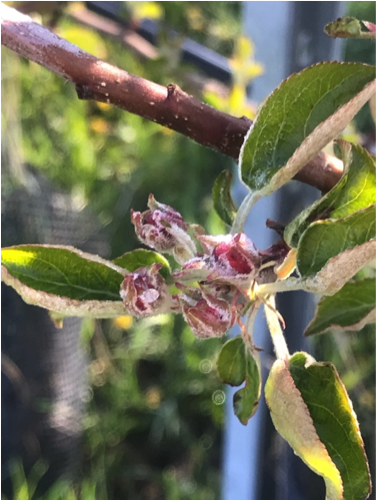
New York (May 27): In the Finger Lakes region of NY, despite temperatures down to 26 ºF in our research farm (23 ºF at my house!) we probably only sustained 10-15% damage to the earlier blooming cultivars and much less to our research cider apple trees. Several growers I’ve spoken with report similar findings. We’re now at late pink to full bloom for most of our apple cultivars with excellent pollination conditions. I suspect we’ll start out the season with the potential for a full crop. The Lake Ontario region of NY has had variable damage from none to greater than 80% of the flowers being damaged. Typically, growers who are closer to the Lake will have less frost damage because the cold water in the Lake delays flowering by several days or more. Reports from the Hudson River Valley are also variable, but more growers in that region appear to have sustained damage than those in the Finger Lakes or Lake Ontario region. Update (June 18): After surviving several frosts and a hail storm, the particularly warm temperatures during bloom have led to several cider apple growers in the Finger Lakes reporting that they have fire blight infections. For our conventionally managed research orchards, we applied streptomycin four times (we use predictive models to determine the need to use this antibiotic), but we were still not able to prevent infections. I think most of the infections were from a late afternoon shower on June 6. We had sprayed strep on June 4 after hail went through the Ithaca research orchard and with just a handful of flowers not open at that application, I thought we would be okay. Big mistake. Most of the infections started in flowers on one-year old wood, including on the central leader. We’re cutting out as much as we can, but I may need to rip out my Dabinett trees and start over. The Medaille d’Or and “Geneva” Tremlet’s Bitter trees also had a large number of fire blight strikes. There was a moderate amount of fire blight on Ellis Bitter, Harry Master’s Jersey, and Yarlington Mill. Porter’s Perfection only had a couple-few strikes, likely due to the fact that it blooms about a week earlier than the other English cider cultivars. Despite all of these issues, if we can stay ahead of the fireblight infections we should have a decent crop overall.
Renae Moran, University of Maine (May 14): “We are at the beginning of pink on Macs, and still at tight cluster for Honeycrisp. I have not checked apple buds yet, but I don’t think it got colder than 30 ºF in most places. Peaches that survived the winter are mostly still alive, but most orchards had 50% or more bud death by April. Peaches are just starting to bloom. Sweet cherries in a frost pocket are dead. The ocean effect delays bloom in Maine, and most growers have orchards at high elevation which also delays bloom. Poor soils are the compromise for escaping frost in most years.” Update (June 16): “I have not checked statewide, but in southern Maine, we had freezing temperatures around June 1, at the petal fall stage. Obvious injury to fruitlets was reported by two growers in the Newport area. In my orchard, I am seeing heavy fruit drop which is probably due to this freeze, and some due to normal thinning. I am also seeing about 10% of the apples with frost rings. Other growers are reporting the heavy fruit drop, as well.”
Terry Bradshaw, University of Vermont, Burlington, VT (May 14): “We’re actually looking pretty good here on the freeze front, although I need to check on a few folks in the southern part of the state. I’m still at early pink on most stuff, tight cluster on some. On cider varieties, a bit of half-inch-green, even. Lows haven’t been that low: 31.8 ºF on May 9th in Shoreham, 28.4 ºF in Essex where buds are tighter than ours.”
Liz Garofalo, UMass Extension Fruit Program, Belchertown, MA (May 27): “There were a few sites in MA where we dipped (on May 10, at 3am one site hit 30.7 ºF, warmed and then dropped back down to 31.7 ºF from 5-6am) below freezing for an hour or two. But, with cider varieties being largely behind others in terms of bud development, they have escaped bloom damage, and the worst that we are seeing are some crinkly leaves from prolonged cool temperatures. Of course, we are now knee deep in fireblight weather with varieties like Stoke Red just barely at pink in one location. For reference, the pink date for that particular variety and location was May 19. All of our apples look like they are setting a good crop, weather has improved, and bees are buzzing.” Update (June 16): “Nearly 75% of Massachusetts is currently experiencing “abnormally dry” weather conditions. In Belchertown at the UMass Cold Spring Research Orchard, we are down 5.38 inches from the yearly average precipitation accumulation. Tree stress caused by water deficits increases the likelihood of opportunistic pathogens and insects that would not normally pose a problem in the orchard- things like black stem borer and phomopsis. High density plantings, especially new and newly established plantings, should be receiving regular irrigation to ensure healthy trees and a healthy crop. We are not yet seeing fireblight strikes. Given the late blooming nature of some of our cider varieties, however, there is still time for strikes to show up in MA.”
Megan Muehlbauer, Rutgers University, Pittstown, NJ (May 26): “New Jersey growers have seen vast differences in frost damage to culinary apples across the state this spring, with crop losses ranging from 0 to 100%. In some instances, several feet of difference in elevation at single farms resulted in complete crop loss. At the Snyder Research Farm in Pittstown, NJ the lowest temperature recorded over the past 30 days was 31 °F. Thus, it seems the late blooming hard cider apple varieties have been spared (a few of which were still in full bloom/petal fall) as of May 25.” Update (June 18): “As of mid-June the hard cider apple crop in New Jersey is looking beautiful. It seems that they have all bloomed just late enough to avoid the most brutal of the spring frosts (Mid-April was particularly disastrous for many other crops). The fruit set looks excellent, thus far there looks to be barely any damage. I haven’t seen or heard of any particularly bad fire blight incidents either, although we have been vigilant with preventative sprays at both our research site and in discussion with growers.”
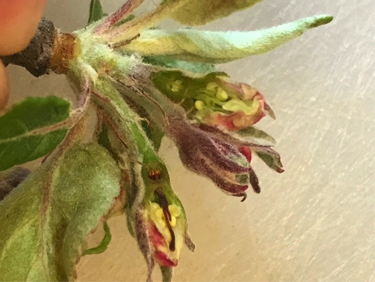
Diane Flynt, Foggy Ridge Cider, Dugspur, VA (May 13): “Spring was mostly kind here in Southwest VA—cool, with little frost damage in last weekend’s sub 28 ºF temperatures for two nights running. Wind was a big issue during bloom, with 18 to 20 mph wind most days (and nights) so spraying was a challenge. But it looks like we have decent fruit set and I hope for a good harvest. Last year I had 40 cidermakers ask to purchase our fruit, and was able to sell to only 4. All my current customers say they want to purchase again—I pass this along as a counter to anxiety growers may be facing about selling cider fruit this year. We are TINY but I do think this demand is an indication of continued interest in high quality cider apples. I hope we don’t see contraction in planting cider apples in response to the challenges cidermakers are facing in selling. Virginia Wine has done an outstanding job in communicating with the industry since isolation began in VA, and I think most of the cidermakers that were doing a decent job before the virus will come out OK.”
Tom Kon, North Carolina State University, Mills River, NC (May 26): “Southeastern apple growers (NC, SC, and GA) observed at least four frost/freeze events during spring of 2020. The polar vortex occurred when fruit was ~18 mm in diameter, but temperatures dropped slightly below freezing at most sites. While most growers avoided catastrophic losses, some blocks/sites are exhibiting sub-lethal cold injury (frost rings, russet, seed damage etc.).”
Nikki Rothwell, Michigan State University, Traverse City, MI (May 26): “We do have some damage in apples in Michigan. I think the areas in the south have more than us here in the north. It has also been pretty variety dependent. Red Delicious, which I know is not used for cider, has more damage than other varieties. However, we had great pollination weather, so I think many growers will have a decent crop. We just need to get through this fire blight weather. We are in bloom with Epiphytic Infection Potential (EIPs) in the 200-300!”
Chris Gottschalk, Michigan State University, East Lansing, MI (May 26): “On May 9th, mid-Michigan sustained temperatures of 25 ºF for two to three hours overnight. As a result, many of our early flowering cider cultivars in the Great Lakes Cider Apple Collection sustained freeze damage. Estimates ranged from 0% loss to >50% loss. For example, Chestnut crab (early blooming) was at first pink and lost >50% of its flowers to the cold. Whereas Cimitiere, a very late blooming cultivar, was at 1/2 inch green and did not suffer any damage. In general, most of our cultivars lost the king blossom but will still produce a sizable crop load this year.” Update (June 17): “The frost that Michigan experienced in early May has decreased crop load levels, for both cider and fresh market types. At the Great Lakes Cider Apple Collection, our Chestnut Crab (an early-blooming cultivar) was severely affected by the frost and has an extremely small crop load. In contrast, Vista Bella (another early-blooming cultivar) was unaffected by the frost and is supporting a high crop load. Our fresh-market industry is reporting similar results with crop load levels being very cultivar dependent. Our late-blooming cultivars, Dabinett and Cimitiere, both were unaffected by the frost and will produce a large crop this year. Many of our other accessions, that bloom at similar times to the fresh-market types, such as Sweet Alford, Yellow Newtown, Esopus Spitzenburg, Gravenstein, and Winesap all have light crop loads.”
Doug Hill, Deep Roots Orchard, Watervliet, MI (June 17): “Early bloom varieties in our orchard Redfield, Granniwinkle and Grimes Golden were negatively effected by the freeze in May. Temps dropped into the low 20’s (22-25) for several hours. Below freezing for 5-6 hours. I am happy to report that other varieties of later bloom were less affected. Browns Apple, Cox Orange Pippin, Spitzenburg, Dabinet, Harrison, Kingston Black (spotty), porters perfection. I noticed some spotty dead blooms on some of the trees but overall we feel lucky about our outcome. Trees were planted in 2017.”
Katie Nash Suding, University of Colorado, Boulder, CO (June 16): “In the Front Range of Colorado we had a late April snow storm which damaged many flowers and so we are expecting generally low fruit set.”
Brant Clark, 63rd Street Farm Orchards, Boulder County, CO (June 18): “The late cold weather, which coincided with the bulk of blossom season, more or less wiped out production for this year. We have one tree with one apple, a Golder Russet on Antonovka rootstock. Our guess is that the tree is not well (leaves more yellow than green) and so bloomed late, thereby missing the freezing event. Additionally, an earlier cold snap and major snow, measured 51cm/20″+, damaged the new leaves on early trees. Leaves which were below the snow survived with little or no damage, leaves above the snow were killed. Most of our trees are on mid and late season rootstock, so suffered little, if any, damage.”
Brady Jacobson, Mt. Hood Organic Farms, Hood River, OR (June 16): “I know the Midwest and East had severe cold weather that might have reduced the crop. We, on the other hand had great weather for bloom and set a big crop in Hood River, OR. Problem is it hailed a few nights ago, so we will have a lot more processing apples for sale this year.”
Carol Miles, Northwestern Washington Research and Extension Center, Mt. Vernon, WA (June 16): “Here in western WA we have not been negatively impacted by temperature. We have had a bit of rain though this past month, and this has led to slightly cooler temperatures, thus fruit development may be a little slow at this time in this region.”
Karen Lewis, Washington State University, Moses Lake, WA (June 17): “The apple crop looks fine in Eastern WA – we have a few pockets of frost damage but overall, if it all sticks and we manage our crop load, then we are on track. It has been a cool, wet and windy spring. Only a few warm days in May. Temperatures are on the way up this week and into next week ( 90’s). Somewhat steep increase but trees /fruit aren’t stressed.”
Jake Mann, Five Mile Orchards, Watsonville, CA (June 18): “We had two amazing seasons here in 2018 and 2019 with excellent growing conditions across the year: sufficient chilling hours and good rains, a gorgeous bloom with no frost or major precipitation during pollination, followed by a mellow summer growing season into harvest with enough folks around to pick the fruit when it was ready. 2020’s crop is looking promising, even considering this should be an alternate bearing year. Precipitation was lower this winter, but chilling hours were once again sufficient. Weather was clear and warm during bloom. Nice fruit set. Intermittent spring rains necessitated some scab control sprays, and we’ve seen outbreaks of aphis and skin worm (moths) in May and June, but have been able to keep them under control. If you wanted to say there was a pattern developing over the past three years, it’s that we’re seeing dryer winters, later accumulation of chilling, with more precipitation in spring rather than winter. The Newtown Pippin crop (our main cider apple here) looks solid, not as bountiful as last year for some blocks, but still feeling optimistic. It’s looking like a big year for our Red Delicious (not the most sought after cider fruit, true) and a worthwhile crop is growing in our other dessert fruit sections. The test blocks and grafts we have for Kingston Black, Wickson, Nehou, and some other cider-specific varieties show promise for adapting these in greater quantity to our region. The orchards didn’t get the memo about Covid… our small crew remained busy though the spring and have been able to work at a safe social distance from each other. We remain optimistic that our fruit will find it’s home in the markets this fall.”
JUNE WEBINARS
We are working to bring our members relevant virtual content during this time. Our webinars are free if viewed live, and they are always accessible to our active members as recordings on our member page after logging in with your account.
JUNE 18: New Developments in PPP Loan Forgiveness
Speakers: Richard Lyons, Partner and Co-Chair of Wendel Rosen’s Food and Beverage practice and Kirk Faris, CPA and Tax Senior Manager at Moss Adams
SUMMARY: This webinar will go over the PPP loan, and in particular the new laws and updates that came into effect over the past few weeks, as well as related topics:
–Determining and maximizing PPP loan forgiveness, including what expenditures “count”, applicable period and employee considerations
–Minimizing and deferring expenses, whether you received a PPP loan or not: tax credits, raising capital, SBA loans, etc.
–Other financial and business considerations
JUNE 23: An Introduction to Managing Distributor Relationships
Speaker: Julie Rhodes, business coach and owner of Not Your Hobby Marketing Solutions
SUMMARY: This webinar will most benefit new cideries, those expanding their distributor partnerships for the first time, and brands that would like to improve their relationship with their current wholesale partners. A distribution contract is a partnership, which should be mutually beneficial for both parties. In this webinar we will explore 6 actionable ways that you can be a proactive supplier partner with your wholesaler, so that you can improve the profitability of your relationship. By the end of this webinar, you should walk away with an understanding of how to effectively partner with your distributor to grow your cider brand, increase sales and brand awareness, and foster a mutually beneficial business relationship for long term growth.

Have a webinar topic suggestion? Reach out.
Congress Passes PPP Critical Improvements

Today, Congress passed a bill that aims to address concerns over the structure of the federal Paycheck Protection Program (PPP). The program has been a bittersweet solution for cideries who have had to consider laying off staff due to state-mandated tasting room closures. Yes, it provided needed funds to pay employees. But the restrictions on using those funds without repayment didn’t quite make sense in our pandemic world. Here is how the reform bill headed to the President’s desk changes the program:
- The original PPP program required the loan funds to be spent within 8 weeks of receiving them. Today Congress expanded that period to 24 weeks.
- The original PPP program required that 75% of the funds be used for payroll. Today Congress reduced that requirement to 60%.
We thank our members for letting us know the challenges you faced with the PPP program. We’ve been able to share that feedback with congressional offices who in turn utilized your stories and others to fix the program.
Read more: Senate approves House-passed Paycheck Protection Program reform bill
American Cider Association Virtual Listening Tour
Virtual Listening Tour: May 12-15
We’re hitting the virtual road! Please join the board of the American Cider Association for a listening tour next month. What you can expect:
- Program & resource updates from Executive Director Michelle McGrath, including the legislative & compliance landscape for cider and COVID-19 pandemic updates
- Virtual Listening Session led by Michelle with your Regional Board Chair
- Informative Guest Speakers
We hope you’ll join us with your questions and comments on the national landscape for cider and the American Cider Association’s involvement. Please note that to keep this meeting productive, we are limiting the meeting to pre-registered participants and a password is required (received upon registration).
LINKS TO REGISTER CAN BE FOUND BELOW
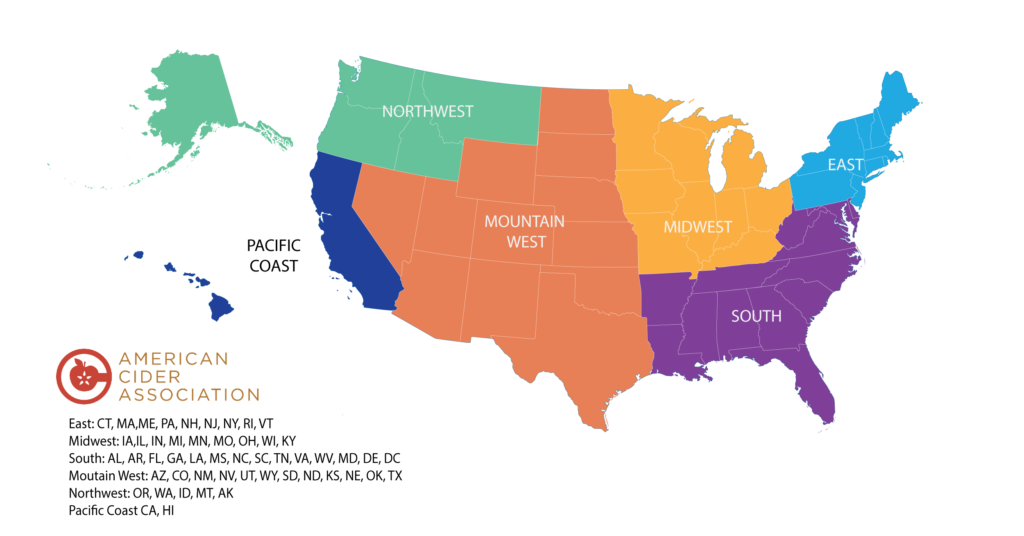
–>Tuesday, May 12: American Cider Association Virtual Listening Tour: Eastern Region
–>Tuesday, May 12: American Cider Association Virtual Listening Tour: Midwest Region
–>Wednesday, May 13: American Cider Association Virtual Listening Tour: Southern Region
–>Wednesday, May 13: American Cider Association Virtual Listening Tour: Mountain West Region
–>Thursday, May 14: American Cider Association Virtual Listening Tour: Pacific Coast Region
–>Friday, May 15: American Cider Association Virtual Listening Tour: Northwest Region
P.S. Have questions you’d like to send in advance? We’d love to hear them! Let us know what you’re thinking.
Craft Beverage Coalition Calls for Day of Action 4/22

Urge Congress to Approve Economic Relief from COVID-19 for Craft Beverage Alcohol Producers
Members of the Craft Beverage Coalition representing the nation’s brewers, distillers, vintners, cidermakers and mead producers are hosting a “Call to Action” on Wednesday, April 22 to urge Congress to provide much needed economic support for the industry. As a result of “stay at home” orders issued by state officials, craft producers are struggling to stay afloat as they take innovative steps to keep the doors open, including curbside pickup and local delivery options as well as the production of hand sanitizers and disinfectant sprays. The CARES Act provided initial relief, but much more must be done. The coalition is asking Congress to provide more economic relief so that businesses can weather this crisis, return to normal operations once the crisis is over, and continue supporting jobs and state economies across the country while providing consumers with their favorite products to enjoy responsibly.
The Coalition is asking Congress to take the following actions:
- Suspend all federal excise tax obligations on domestic and imported alcohol products, effective January 1, 2020, through December 31, 2020 so producers can dedicate scarce resources to payroll and other operating costs.
- Enact a permanent extension of the Craft Beverage Modernization and Tax Reform Act (H.R. 1175/S. 362), which now has bipartisan support from 74 senators and 343 representatives and would provide certainty amidst economic instability.
- Approve additional funding to support no- and low-interest loan and grant programs administered by the Department of the Treasury and Small Business Administration, including the Paycheck Protection Program and Economic Injury Disaster Loans.
- Authorize the Department of the Treasury to create a Workforce Stabilization Fund for the hospitality and travel sectors that will allow distilleries, breweries, wineries, and cideries to keep workers employed, maintain operations, and meet financial obligations.
- Create temporary tax incentives that encourage consumers to return to on-premise dining and drinking establishments when public health officials determine it’s safe. Examples include reinstating the expanded business entertainment tax deduction and creating a new, temporary travel tax credit equal to 50% of any expense for meals, lodging, recreation, transportation, or entertainment while traveling away from home within the U.S.
- Encourage the Administration to work with our trading partners to simultaneously suspend tariffs on beer, wine, and distilled spirits products and our supply chain partners.
Join the Call to Action and help craft producers seek much needed economic relief.
5/9/20 Updates on SBA Resources
There’s a lot of information (and a lot of MISSING information) regarding stimulus funds currently. Here are a few new pieces of info to know:
+According to the SBA, lenders supporting PPP loans “must make the first disbursement of the loan no later than 10 calendar days after the loan is approved.” Read more
+The Treasury is expected to start dispersing stimulus checks by April 10 Read more
+The government is releasing informing guidelines on many of the SBA resources on what seems like a rolling basis. Although the good news is that “EIDL Loan advances will start to be distributed this week,” the SBA has released at least in some places that the advances are for “$1000 per employee up to $10,000 max.” This is different than what was previously said.
+Farmers do qualify for PPP loans, but as of today, they do not qualify for EIDL loans. We are advocating for farmers to qualify for EIDL loans and for specialty crop support in the USDA earmarked stimulus funds of the CARES ACt. To learn more about what resources are available to farm-based businesses, check out our webinar with Penn State Extension on Monday, April 13.
+Congress is struggling to find a path forward for a bipartisan proposal that would expand the Paycheck Protection Program (PPP). It is recognized by both parties that expanding the program is necessary.
TTB Postpones Excise Tax Due Dates

The TTB announced on March 31 that they will postpone excise tax filing and payment due dates for 90 days. The full announcement and details of their plan can be read in their newsletter.
The craft beverage coalition, which the American Cider Association is proud to support, asked for excise tax relief in a joint letter on March 19.
In the announcement, the TTB acknowledged that the alcohol industry is hurting due to the COVID-19 pandemic.
“The Alcohol and Tobacco Tax and Trade Bureau (TTB) recognizes that businesses that we regulate are being severely impacted by COVID-19. To assist these businesses during this period, we are postponing several filing and payment due dates for 90-days where the original due date falls on or after March 1, 2020, through July 1, 2020.”
The American Cider Association applauds the TTB for responding to the needs of the industry during this time.
Senate Passes the CARES Act
The US Senate just passed the CARES Act, or what is commonly known as the Phase III COVID-19 economic stimulus package. The bill includes many things (here is a good summary), but 3 things in particular will help the cider industry.
- It puts cash directly in the pockets of most Americans
- It extends unemployment and expands it to include sole proprietors and contractors
- It funds small business loans to cover payroll support, mortgage payments, insurance premiums and other debt obligations. Loans used for these qualified purposes may be forgiven
We are working around the clock to address the challenges you are facing due to the COVID-19 pandemic. Our goal is to remove barriers that will make it difficult for cideries to continue operating as normally as possible as soon as possible. We’ve been working with regulators and lobbying Congress to get you the relief that you need.
It’s believed that an additional stimulus package may come together in a couple months to address certain specific industry needs, hopefully including ours. We have champions and political power because we create manufacturing jobs and agriculture is core to our being. We are Main Street.
Americans Are Stocking Up on Cider
It’s no secret that shopping patterns have dramatically changed since it became clear that the Corona virus was here. The subject of endless memes, grocery shelves–especially the toilet paper section–are picked clean as people stock up for the long haul. According to Nielsen’s off-premise sales data, consumers are also stocking up on cider.
Off-premise sales in the channels measured by Nielsen show cider retail sales up 22% for the week ending on March 14 compared to the week ending on March 7. Other segments of beverage alcohol also saw increases.
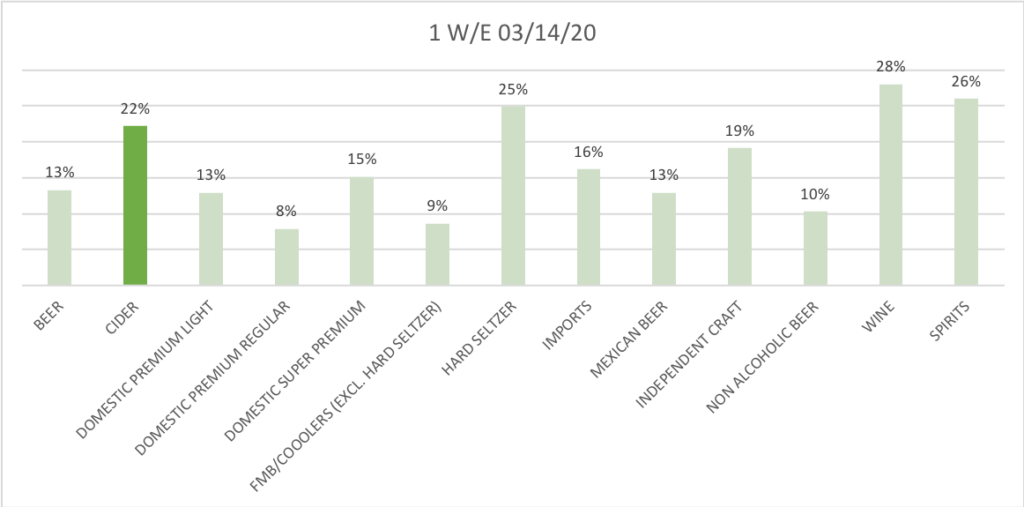
Changing Retail Landscape
American Cider Association members across the country have seen sometimes dramatic changes in how their customers are buying cider. Offering local delivery has earned more dollars than previously average taproom earnings for many smaller cideries. It will be interesting to speak with online retailers to see how e-commerce shopping patterns change for cider in the coming weeks.
In an average year, on-premise sales account for roughly 60% of cider’s total sales according to Nielsen CGA (compared to 40% for beer as estimated by the Brewer’s Association). This 60/40 breakdown of on-/off-premise sales for cider doesn’t include cidery taproom or independent retailer sales. Still, it’s safe to say we will see a dramatic shift in on-premise’s dominance in cider’s marketshare in the coming weeks. Expect to see business model adaptions to continue and include curbside, delivery and online retail.
Craft Beverage Coalition Letter to Congressional Leadership Seeking Support in COVID-19 Relief Package
The American Cider Association joined trade groups for wine, spirits, beer and mead in requesting the following support for the beverage alcohol community during the Covid-19 Pandemic:
Expand Unemployment Insurance
Suspend Payroll taxes
Provide federal excise tax relief
Provide Robust no- and low-interest loan assistance
Create an industry stabilization fund
Maintain an open commercial border
Seek the suspension of tariffs on beverage alcohol and their suppliers
The association is pursuing additional efforts to support state level relief policies including ease of shipping. Cideries can help us identify opportunities for relief by taking our brief impact survey.
Covid Resources for Cideries
We are in unprecedented times. We know you are facing economic uncertainty. As your association, we are here to listen to your challenges, and get help on its way in whatever capacity we can. Here are a few things we’re doing to help.
Provide an informational hub specific to our industry’s needs: We’ve launched our Covid-19 resource page. We’ll be updating this daily to help you access useful information.
Connect you to your peers to share challenges and solutions:We have launched a Facebook group for peer to peer networking with fellow members. We will also be monitoring our website’s forum. If there was ever a time to need to connect, now is it. Members can click here to request to join the Facebook group.
Unify our voice for our specific needs: The beverage alcohol community, including the American Cider Association, is working hard to advocate for solutions to relieve the impact of closures and lost jobs. Cider is absolutely an economic driver and that’s a story that is easy to tell. The beverage alcohol community is having early conversations about delayed excise taxes and other paths to help all our members keep their doors open in the long run. How has Covid impacted your business? What form of relief would help during this difficult time? Please take our 7-question survey to help us craft the message of urgency and need to Congress and the TTB.
Look to the future: It’s hard to think about much else than this crazy situation right now. Nevertheless, the American Cider Association is working hard to find ways to help our industry weather this storm, including keeping our eye on the future of the industry. Our long-term goals to grow a diverse and successful industry haven’t changed, and we won’t lose sight of them even as we focus on short term support. We are planning to host virtual town halls for all of our regions in May. You can sign up now, forget about them for a few weeks, and then join us for updates on our next 3-year strategic plan, including our compliance camp project to provide members with comprehensive resources on topics like excise taxes, labeling, franchise law and licenses. These town halls are open to all cideries—regardless of your membership status. Stay tuned for official dates and registration links.
We’ll be back with more resources to support you on a rolling basis over the next few weeks. Thank you for being a member so we can harness this industry’s collective power to do what it needs to thrive. In the coming days, check on your cider industry peers and friends. We promise to do the same. Cider IS stronger together.
Tax Class Code Update
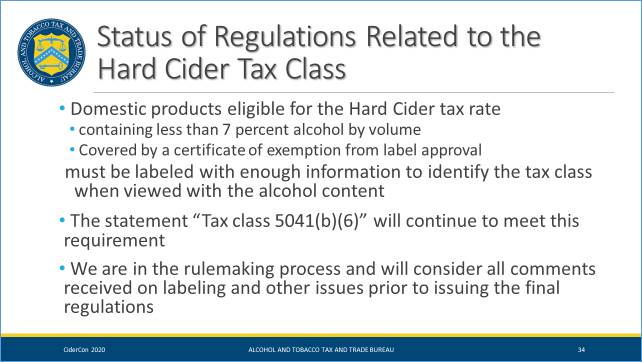
Since the enactment of the CIDER Act, the cider tax rate applies to products that are under 8.5% ABV, under 0.64 gram of carbon dioxide per 100 milliliters and contain no other fruit than apples or pears. Until very recently, the TTB was requiring a tax class code on all products eligible for the hard cider tax rate. These requirements were part of temporary rules that were put in place in reaction to the expansion of the product types eligible for the reduced rate. They mandated that the code “Tax class 5041(b)(6)” be on the packaging of hard cider tax rate product. These rules have now expired–the reduced tax rate remains.
For now, the TTB is not mandating the use of the statement “Tax class 5041(b)(6).” Nevertheless, the regulations do say that all wines (including cider and fruit cider, all ABVs) must be labeled with enough information for TTB to identify the correct tax class.
“Using ‘Tax class 5041(b)(6)’ will meet that requirement, so no one has to change their label unless they choose to,” said Susan Evans, TTB Director, Office of Industry and State Outreach in an email to the Association.
In the absence of the statement of the Tax class 5041(b)(6), the label must provide enough information for the TTB to know that the product is under 8.5% ABV, under 0.64 gram of carbon dioxide per 100 milliliters and contains no other fruit than apples or pears.
We anticipate that the code requirement will return when the permanent rules are released, and will keep our members informed of such news.
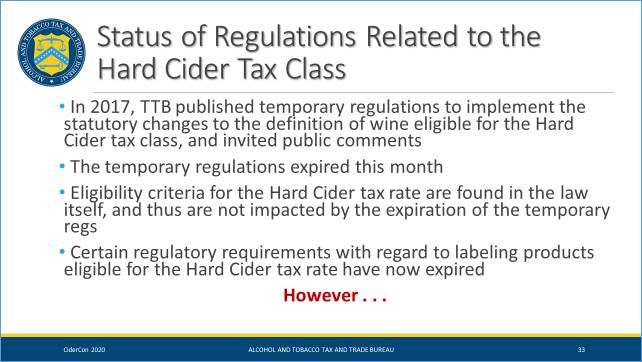

Regional Cider Resilience
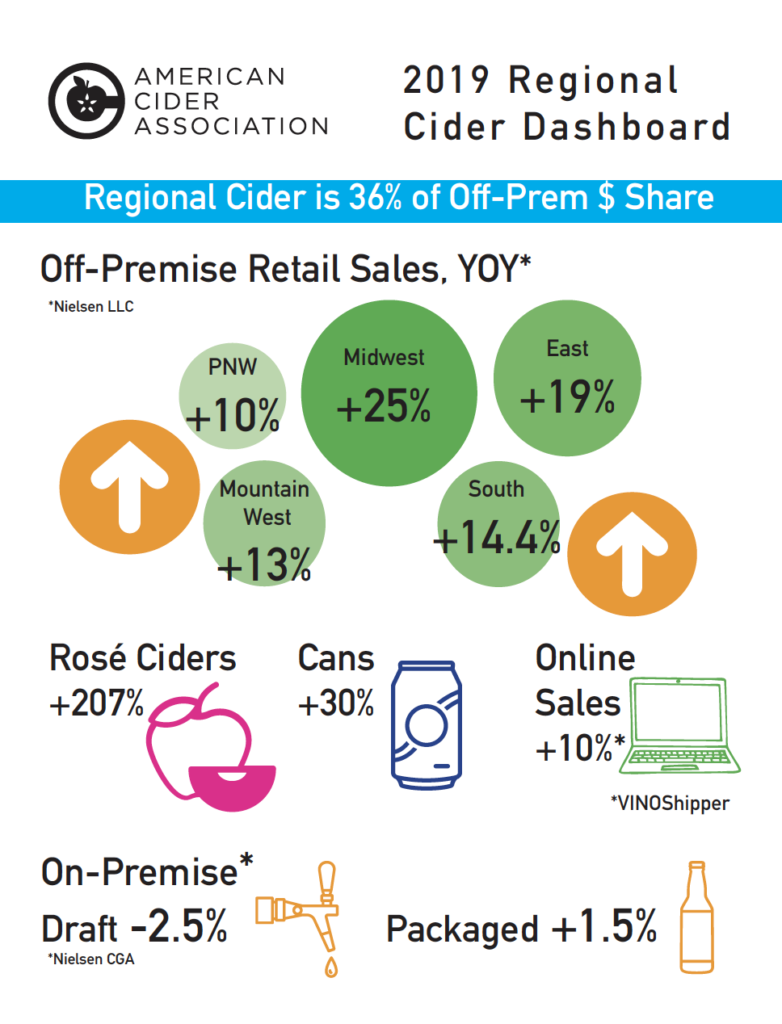
According to our partners at Nielsen, 2017 ended with soaring regional cider brand growth yet slight overall negative off-premise cider sales from the year before. Two year laters, annual total off-premise sales for 2019 were 6% higher than at the end of 2017. In a world where year over year or quarter over quarter is the easiest number to grab, important nuances sometimes get left behind.
For example, hard seltzer grew over 200% last year. You know what else grew over 200% last year? Rosé cider offerings from regional brands.
So before anybody starts citing “total cider sales” as being on a slight decline for 2019, make sure you point out the continued double digit growth (several years counting now) for regional and local cider brands. There are success stories for national brands too. We are not represented by one number and cider is finding sustainable growth.
More data is available for you. Nielsen trends and webinars are complimentary benefits to all American Cider Association members. The data is broken down by 24 regional markets for off-premise and on-premise details are also provided. It’s further broken down by packaging and flavor and national/regional brands. Nielsen also shares quarterly reports highlighting trends. Webinars, CiderCon presentations (including Nielsen’s), data and more can all be found after logging into our website with your active account.
We know that Nielsen data doesn’t take everyone’s sales into account, but we also know it does tend to reveal major trends. To complement Nielsen data, we are working to create new partnerships for your benefit with nontraditional data sources.
Our friends at Vinoshipper are a great example of the potential stories we can tell with alternative data (you can find Vinoshipper’s CiderCon presentation on our membership website after logging in). Their cider sales increased 10% last year. That’s direct to consumer cider sales!
My point? CIDER IS STILL GROWING and that’s the story we have to be sharing.
P.S. Have you sent your UPCs to Nielsen? ALL OF THEM? Please make sure you are being counted! Contact Nielsen to submit your labels.
PRESS RELEASE: American Cider Association Announces 2020 Award Winners
Contact Michelle for images and questions
Hotels, Pizza Arcades, Distributors, and Wine Shops Among Those Recognized For Excellence In The Cider Industry
Portland, OR—Since CiderCon 2015, the American Cider Association has bestowed industry honors on deserving partners. The association uses its awards as an opportunity to highlight individuals and businesses helping the cider category grow. The scope has expanded as more and more related industries get on board with serving, selling and appreciating the American hard cider industry. This year, certain awards were first announced at CiderCon 2020 in Oakland, CA—including Apple Advocate of the Year to the legendary John Bunker of Maine. Today the association announced all 30 of the 2020 award recipients.
The winners are geographically diverse by design, but the on- and off-premise account categories truly stand out in their range. They include arcades, hotels and boutique wine shops. Nominations originate from the association’s members. This was the first year the association’s enthusiast-level members were invited to participate in the nominations along with trade and industry members.
“Our enthusiast members are out there drinking cider in their communities every day. They know who has the best cider list,” said the association’s board president, Paul Vander Heide.
“One of our goals is for cider to be a mainstream beverage, not just a niche offering. This year’s winners show us that we’re moving the needle on this goal. Local liquor stores are supporting cider, but so are seemingly random on-premise accounts,” said the association’s executive director, Michelle McGrath. “It will be fun to watch these categories over the next couple years.”
The awards also recognize distributors who are helping cider shine by maintaining diverse and plentiful cider portfolios and educating themselves about cider styles. “Regional cider brands grew 14.2% in 2019 according to Nielsen,” emphasized Vander Heide. “That didn’t happen in a vacuum. Distributors were absolutely key facilitators of that growth.”
McGrath hopes that winners show pride in their contributions to the sector. “I hope that all the winners feel great about supporting a growing industry that includes farmers, artisan producers, craft manufacturers and allied industries like steel and glass. It’s good to invest in cider—good for America,” she said.
2020 Cider Excellence Award Winners
- Apple Advocate of the Year: John Bunker of Maine
- Significant Contribution to the Cider Industry: Darlene Hayes of California
- Pommelier of the Year: (2 Awards) Brian Rutzen, Ambrosia Borowski of Illinois
- American Cider Association Member of the Year: Treehorn Cider, Atlanta, GA
- Cider Journalism Excellence: “Cider, Wine’s Overlooked Category” by Alexander Peartree for Wine Enthusiast
East Coast
- Best Cider Establishment: Brooklyn Cider House – Brooklyn, NY
- Best On-Premise: Prohibition Taproom – Philadelphia, PA
- Best Off-Premise: Boutique Wine, Spirits and Cider – Fishkill, NY
- Best Distributor: Farrell Distributing – South Burlington & Rutland, VT
Midwest
- Best Cider Establishment: The Northman – Chicago, IL
- Best On-Premise: The Coin Slot – Traverse City, MI
- Best Off-Premise: France 44 Wines & Spirits – Minneapolis, MN
- Best Distributor: Imperial Beverage – Kalamazoo, MI
Mountain West
- Best Cider Establishment: Acreage by Stem Ciders – Lafayette, CO
- Best On-Premise: Arcana – Boulder, CO
- Best Off-Premise: Wyatt’s Wet Goods – Longmont, CO
- Best Distributor: Culture Beverage – Westminster, CO
Pacific Coast:
- Best Cider Establishment: Redfield Cider Bar & Bottle Shop – Oakland, CA
- Best On-Premise: Button Mash – Los Angeles, CA
- Best Off-Premise: Bottle Barn – Santa Rosa, CA
- Best Distributor: Lime Ventures – Concord, CA
Northwest:
- Best Cider Establishment: Finnriver Farm & Cidery – Chimacum, WA
- Best On-Premise: The Dram Shop – Missoula, MT
- Best Off-Premise: John’s Marketplace – Portland, OR
- Best Distributor: Maletis Beverage – Portland, OR & Vancouver, WA
South:
- Best Cider Establishment: ANXO Cidery – Washington, DC
- Best On-Premise: The Durham Hotel – Durham, NC
- Best Off-Premise: Appalachian Vintner – Asheville, NC
- Best Distributor: Specialty Beverage of Virginia – Richmond, VA
###
2020 American Cider Association Board Candidates
It’s almost election time for your 2020 board of directors. We’ll be sending out electronic ballots to all of our Cidery-level active members on Wednesday and the ballot will be open until Friday morning, so keep your eyes peeled for that!
We want to thank Eric Foster of Stem Ciders, Brian Shanks of Bold Rock and Dan Young of Tandem Cider for their dedication and service to the board for the last 3 years. All three brought passion to their roles that helped us evolve the association to what we are today. Thank you for your contributions!
Please meet your 2020 board candidates:
At Large
Phillippe Bishop, Alpenfire Cider, Washington
I am a partner in Alpenfire Cider, a small, family-run cidery based in Northwestern WA. We planted our orchard back in 2003 specifically for making cider and have seen lots of growth and changes in the industry since then. I primarily handle the sales side of things in and out of our region, but with any small company we all wear many hats. I believe the American Cider Association has been doing a good job operating as a megaphone for the whole industry nationwide. I have worked with the association on projects like the CCP and Lexicon, as well as spoken at CiderCon in the past. I now feel it is time for me to step up and take a more vocal role in the national community.
A couple goals I would like to work on is increasing communication with the on and off premise trade and distribution side of things, making it easier for them to sell our products to the trade or to the consumer with proper language that can be easily understood. Part of my background is working for a small craft focused distributor and seeing the challenges and frustrations on both sides of the sales and producers game. I would like to help the association come up with economical and straightforward ways to remediate that. Additionally, being a grower producer from an apple growing region we know there are a lot of wonderful apple growers and varieties not being utilized. I would like to find way to bridge the gap between grower and producer. Due to our size we have to turn away fruit every year that could make some exciting cider and I would like to find a way to make it easier for growers to find producers and vice-versa.
Lyndon Smith, Botanist and Barrel, North Carolina
I am a co-founder of Botanist and Barrel. In 2009, I launched a natural wine distribution company. I left to follow my passion for agriculture. Along with my family, I created Cedar Grove Blueberry Farm and Botanist & Barrel’s Farmhouse Cidery in 2015. I established NC’s first wild and spontaneous festival, and Funk Down on the Farm. I love research, analytics, supporting local farms, native fruits and southern terroir.
As a board member I’d bring innovative and creative ideas with a rising tide mentality. As cider pros we have our own language to describe different styles of cider; BUT do these terms mean anything to consumers? To grow our market, we need to identify consumer preferences through focus groups and learn what consumers listen for as they choose cider. We must develop the vocabulary, the marketing & the imagery that resonates with cider drinkers to expand the cider audience as a whole. We can develop and create actionable promotional materials and packaging by reverse engineering how we talk about cider using empirical data. For example “brewing hard cider” was the 16th most searched for term on google in the last 30 days, so we have our work cut out for us.
We all produce amazing beverages. Let’s make sure we can prosper.
Ned Lawton, Ethic Ciders, California
Together with my wife, I brought Ethic Ciders to life in 2015 after purchasing a farm and old apple orchard in Sebastopol, California. Five years into tending to the land through regenerative farming practices, our orchard is now 100-percent organically certified and has been declared by the NCRS a test site for implementation of the first ever carbon-farming apple orchard. I believe that cider can be a leader as a sustainable land-based beverage and as a healthy choice for consumers. As a board member, I would identify opportunities to share this message. I also believe the association can be a tremendous resource for small cideries when it comes to compliance, the TTB, regulations and policy, and I would champion these efforts. My goal would be to engage with the board and the government affairs committee as a voice for small orchard-based cideries. I love cider because of the potential for it to connect people with the land, and I think I can bring that perspective to the board. I’m inspired to lend my contributions to the association and work together to pursue our market growth as a long-term strategy that celebrates all sectors of cider, including small orchard-based operations.
Mountain West: AZ, CO, NM, NV, UT, WY, SD, ND, KS, NE, OK, TX
Talia Haykin, Haykin Family Cider, Colorado
I am the co-founder of Haykin Family Cider with my husband, Daniel. Prior and concurrent to that, I run my freelance marketing company and served as the Chief Marketing Officer for large non-profits in Denver. I developed a social media Masters program for DU. Within our business, I do every job from bottling to shipping to selling to marketing. Every successful market is stratified and that is important for our cider market as well. However, all types of producers should feel like they have a voice. I’d like to bring a small, harvest-based producer voice to the association, advocating on behalf of apples and smaller producers. That being said, collaboration/cooperation/camaraderie are key. A rising tide lifts all boats and a successful cider industry, benefits us all.
Casie Wiginton, Texas Keeper, Texas
I am the Taproom Manager of Texas Keeper Cider in Austin, a level 1 CCP and currently in pursuit to be a Certified Pommelier. With a 22-year background in the industry and large reaching organizations like the American Cheese Society, I believe an emphasis on education and community engagement are necessary to broaden the reach of the cider world. I bring a unique perspective to the American Cider Association’s Board of Directors by providing a bridge to business owners, their staff, and customers. I am not a Cidermaker nor CEO but an advocate for education, community engagement, and broadening the reach of the craft world. I intend to develop resources to nurture and grow a diffuse circle of artisans into a robust community in touch with those they affect and inspire. I believe that my passion and skills honed thus far will drive a flow of communication and engagement across the Mountain West region, necessary for continued growth of our industry.
Pacific Coast: CA, HI
Sarah Hemly, Hemly Cider, California
In 2015 I co-founded Hemly Cider in Courtland California as an estate grown cider company with a unique passion for pears . I run the cider company and my husband grows the fruit. If elected, I bring to the board experience with getting pear pumice on every inch of my clothing. Today, we in the cider industry have a unique opportunity to create a movement, grow our market and impact the global economy. An important point of differentiation from other alcoholic beverage industries that is notably relevant in today’s market. The one thing every one of us in the cider industry has in common: Trees. Here in California companies like Ethic Cider are brilliantly promoting the fact that apple trees contribute to carbon sequestration. Recently, Greta Thunberg and George Monbiot proposed planting and preserving trees as a tool to combat global climate change. Can we, as an industry unite under one cause, promote cider, disrupt the market and stand for something bigger than ourselves? #DrinkCider, better for you, better for the planet.
Nicole Todd, Santa Cruz Cider Company, California
I began my fermentation career in 2005 at Bonny Doon Vineyard, then changed gears to work at a brewery and found my love for cider with a truck bed of found apples. I started Santa Cruz Cider Co with my husband and my sister in 2013. We have grown slowly and organically by building our cidery from the ground up. Having my own small business keeps me involved in every step of the industry, from orchards, pressing, packaging and selling. I have worked closely with other local cidermakers and growers to create a community that shares resources to help us all grow. I would like to help create this for the Pacific region of the American Cider Association by building a network that all Pacific cidermakers (and beyond) can benefit from. We can accomplish this by growing the educational platform, promoting cider legislation and by sharing information and resources on fruit sourcing, packaging materials, equipment, etc. This in turn will create a stronger community that represents all of us.
Pacific Northwest: OR, WA, ID, MT, AK
Marcus Robert, Tieton Ciderworks, Washington
I am the Cider Maker and Co-Owner of Tieton Cider Works. I am a fourth-generation farmer and still own and operate the same family orchard I grew up on in the Yakima Valley. My wife and I also own a small winery where I have been making and selling wine for nearly two decades. Our Northwest Region is particularly special in that we grow more than twice as many apples than the rest of the nation combined. We also have the highest per capita consumption of cider in the country. Our overall investments and opportunity in the Northwest cider market is enormous, legislation permitting. Whether we know it or not, the rules and regulations that our industry abides by are the limiting factors to getting our products to our consumers. My goal is to help ease those regulatory factors while keeping the purity of product secure. I will continue to push for legislative changes that provide our members with real and lasting value.
Midwest: IA, IL, IN, MI, MN, MO, OH, WI, KY
John Behrens, Farmhaus Cider, Michigan
I am the co-founder and owner of Farmhaus Cider located in Hudsonville, Michigan along with my wife, Megan. I also serve as the President of the Michigan Cider Association as well as recently helping to oversee GLINTCAP, the world’s largest cider competition. Prior to starting Farmhaus, I worked as a CPA for 10 years, first in general practice and then transitioning into corporate roles, experiences that I believe would be valuable to the board. I believe the cider industry has built a very solid grassroots foundation, but for us to get to the next level we need to work together to market cider to a much wider audience. We are uniquely positioned as an industry to capitalize on changing consumer tastes, but for that to happen, cider in a wide variety of styles needs to go mainstream. The American Cider Association has an important role to play in helping achieve that goal.
I also feel a strong legislative presence is important to the continued growth of cider. If we are going to even the playing field with beer, wine and spirits we need to appear just as important to our representatives in Washington. I believe the American Cider Association has done a lot of good work in this area, but more work remains.
Large Cidery (>1M gallons)
Dave Takush, 2 Towns Ciderhouse, Oregon
My passion for fermentation led me to join two childhood friends in starting 2 Towns Ciderhouse in Corvallis, Oregon where I am co-owner and head cidermaker. Now one of the largest cider producers in the nation, 2 Towns has over 100 employees and is dedicated to producing quality craft cider from 100-percent, fresh-pressed Pacific Northwest apples. I am so darn excited to be running for the large cidery board position for the American Cider Association. As a board member, I intend to help promote positivity and unity within the cider community. I will focus my efforts on encouraging legislative initiatives that will bring positive change for all industry members.
Fresh-pressed Member Updates: January
CiderCon® is less than two weeks away! We have conference updates to share, but there is so much more to tell you about. First thing first, though…
- CiderCon®!
- Today is the last day to register at the $395 price. Head over to the website and sign up to take advantage of the savings.
- We’ve lined up near 100 amazing speakers for this year’s conference, including the newly added John “The Apple Whisperer” Bunker! His book will be available in the CiderCon® bookstore. We’ve just updated our schedule grid. Take a peek here.
- Our trade show is full of amazing vendors. Preview the event, and if you are interested in purchasing one of our limited trade show only passes, contact us.
- Did you hear William Mullan and his odd apples are coming?
- Want to know more? The conference app is back! To get it: (1) Download Attendify (2) Search for CiderCon (3) Use the event code GoEkos. Thank you, Ekos for sponsoring this year’s app.
- Winter Member Webinar
- On February 7 we are thrilled to have Maria Pearman of Perkins & Company speak with our members about how to take advantage of the savings in the Craft Beverage Modernization and Tax Reform Act. This webinar is free for members and $30 for non-members. Sign up here.
- New Sales Tools
- Our marketing committee has developed these handouts to help you educate your accounts about cider. Take a look at our brand new on-premise tool, complete with food pairing tips, and our updated off-premise tool. You can find these at any time on the resources page of our website. Stay tuned for more tools like this!
- Certified Cider Professional program
- We’ve updated both the introductory exam and the more advanced Certified PommelierTM test. You can learn about these changes and more here.
- New Swag
- We’ve stocked a ton of new t-shirts in our digital storefront! Check it out here.
- Dry Cider January
- We list over 200 0g sugar ciders in our Dry Cider Directory now! If you haven’t uploaded your no-sugar ciders yet, please do that here. Note that inclusion in the directory is for members only.
CCP Program Updates

We have some exciting announcements about the Certified Cider Professional (CCP) program! We first launched the CCP program in 2016, and it has continually evolved to meet the needs of our ideal audience in allied industries. What do food and beverage professionals need to know about cider to sell more of it to happy consumers? That remains our guiding question.
Here are some of the exciting changes we’ve made!
- We evolved our style guide into a cider lexicon. It was industry input that lead us to these changes. The lexicon is still open for feedback and you can preview it here. Please reach out with questions at lexicon@ciderassociation.org. It is a developing tool, but our exams and study guides are now emphasizing five cider families instead of styles. Additionally, we focus on the established scientific classifications for apples: bittersweet, bittersharp, sweet and sharp.
- We launched Version 3 of the introductory Certified Cider Professional exam to reflect the above changes and refine questions. We’ve updated our study guide accordingly. Exam links on the CCP website now direct you to the updated test.
- We adapted the Certified Pommelier™ exam and study guide to reflect the new direction of the lexicon project. These can also be found on the CCP website. The next test, taking place in Oakland, California during CiderCon®, contains these changes. The exam emphasizes these topics in order of relative importance: (1) Flavors and Families (2) Apples & The Orchard (3) Cider Making (4) Food Pairing (5) Evaluating Family (6) Keeping & Serving.
- We’ve redesigned the sensory portion of the Certified Pommelier™ exam. After much review, we felt that doctored samples were not representative of the skill we were hoping to test: the ability to evaluate a cider and all its characteristics. The flaw identification portion of the exam has therefore changed. Instead of being asked to id flaws students will be asked to evaluate three ciders. These ciders may or may not contain characteristics perceived as flaws. They will not be doctored. A structured sensory analysis worksheet will be provided for the exam. You can view a sample of that worksheet and learn more here. (Students should still know specified flaws and their causes).
- We created a Facebook group for potential Certified Pommelier™ test takers. The emphasis is on peer learning. We are encouraging Certified Pommeliers to join the group and share their wisdom and for those studying to share their resources.
In 2020 you can expect:
- More opportunities to take the Certified Pommelier™ exam
- The launch of an online training for the introductory Certified Cider Professional program
- Announcements about specialty certificates in topics like draft systems for cider
- The development of more published study materials for both the introductory level and the more advanced Certified Pommelier™
- New tools such as a CCP directory
Watch our website for the announcement of future exam possibilities. Demand for the CCP program is growing, and we are rising to meet that demand!
Visit here to sign up for the Certified Pommelier on January 28 in Oakland.
PRESS RELEASE: Cider Association Rings in New Year with a New Look & Name

After 8 years using the title of United States Association
of Cider Makers, or American Cider Association for short, the cider industry trade group has updated
its brand. On December 31, 2019, the group unveiled its shorter, more direct
name—The American Cider Association. It also released its new logo, created by
graphic designer Randi Karabin of SIP Publishing.
The American Cider Association says the new look and name go hand in hand with new aggressive strategies to grow the cider industry, including achieving legislative and regulatory goals on behalf of the association’s members.
“We’re doing so much more in DC than we were 4 years ago. We’re speaking up for common sense labeling regulations, lobbying for legislation to lower excise taxes, campaigning for the permitted use of harvest dates on cider labels over 7% ABV, pushing for 355ml as an approved volume of fill, supporting transparency on labels regarding state of origin for apples, and more,” executive director, Michelle McGrath detailed.\
“Cider is a grassroots industry, but it generates over a billion dollars in annual sales. We’re ready for the next evolution of our trade association,” she continued. “Cidermakers will always be our #1 audience, but Congress is rising in importance. Lobbying with our old name was challenging. People often found it confusing, and you lost them about halfway through. It was long! American Cider Association is much more straightforward.”
Last August, the Cider Association’s board members gathered
in DC to support the Craft Beverage Modernization and Tax Reform Act. That
experience illuminated the need to rebrand. With unanimous support from the
board, McGrath engaged diverse stakeholders to instruct the look and name.
“There are quite a few names and logos on the cutting room floor,” McGrath
said. “We embraced the best options for a professional trade association.”
Another goal is for the Cider Association to support more campaigns directed toward consumers and trade. “We will continue utilizing our Pick Cider® brand for those efforts,” she said.
“Our goals are designed to support the full diversity of producers in the industry,” said board member Eleanor Leger. “From the larger cideries that are raising cider’s visibility in the broader marketplace to the hundreds of small farm-based cideries showcasing unique apple varieties and cidermaking approaches.”
The American Cider Association’s assets will update to the new name and logo throughout the week, and a brand sheet is available on their website: www.ciderassociation.org.
###
Brand Sheet
The American Cider Association is an organization of cider and perry producers in the United States. Their mission is to grow a diverse and successful U.S. cider industry by providing valuable information, resources and services to our members and by advocating on their behalf.
CiderCon® Giveaway!
Bottles cling-wrapped and insulated in a sweatshirt. Cans sealed and stowed in empty bread bags and stuffed in socks. Or shoes. Most of us have taken extreme risk and sketchy measures to get cider to and from CiderCon® and other cider events. Did you know there is a better way? Behold, the cider case (ok, it has another name, but this is what we’re calling it).
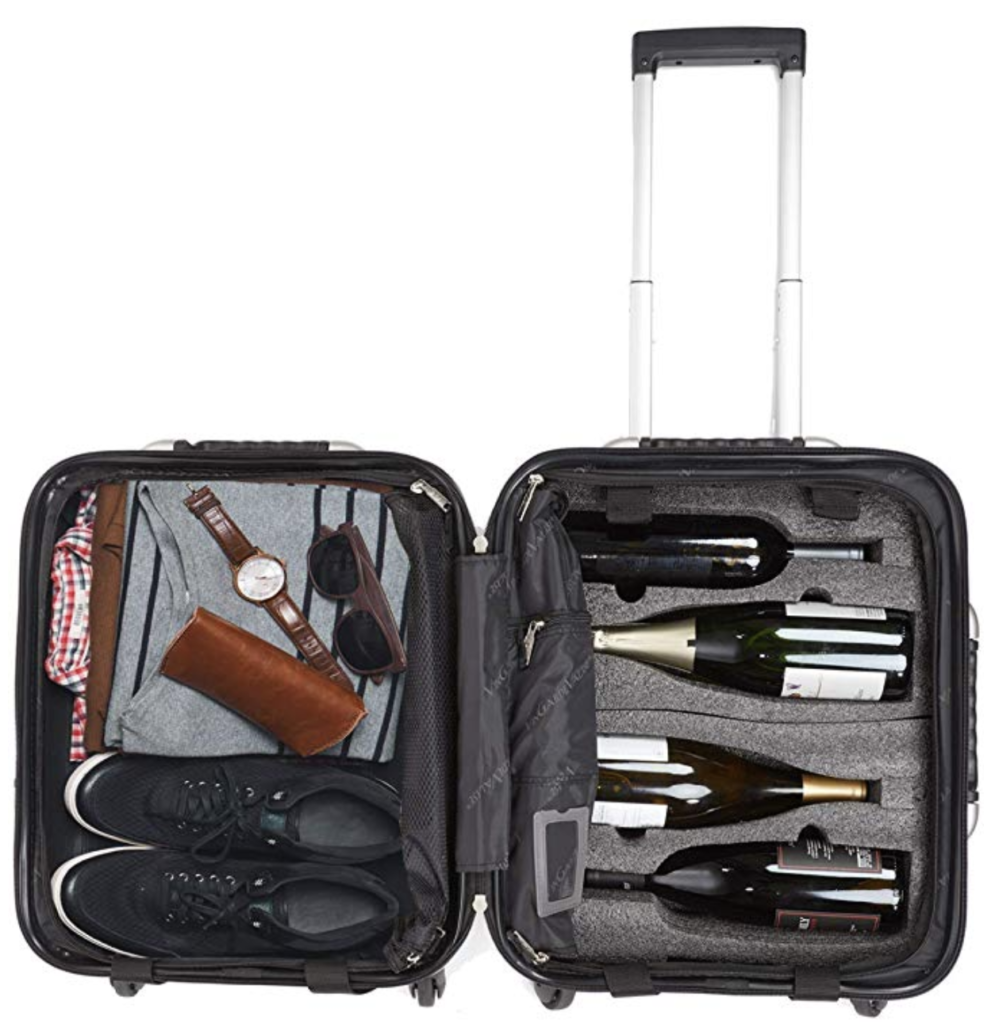
This case comfortably holds up to 8 bottles (750ml) of cider. Designed to accommodate clothes or other personal items by removing one or more inserts. Additional inserts for magnum available. We have direct reports that cans and smaller format ciders also pack well.
We love this case so much, we’re giving THREE of them away!How can you enter this giveaway contest? Each of these actions gets you tickets to win!
CIDER CASE GIVEAWAY RULES
>Register for CiderCon® 2020 by January 6 (the last day for early bird pricing, by the way!). (earns 3 tickets) CLICK HERE TO REGISTER
>Reserve your hotel room at the Oakland Marriott by January 6. (earns 2 tickets) CLICK HERE TO RESERVE YOUR ROOM
>Post to Instagram that you are excited to be attending CiderCon® and tag us in your post (@pickcider #cidercon2020) by January 6. (1 ticket per post)
>Tweet that you are excited to be attending CiderCon® and tag us in your tweet (@cidercon). (1 ticket per post) CLICK HERE TO TWEET
>Share any of our posts or tweets about CiderCon® (1 ticket per share).
>Tag a friend on one of our posts about CiderCon® (1 ticket per tag).
All entries must be completed by 12PM Pacific on January 6. CiderCon® registration and active association membership are the baseline requirement for winning. You are not eligible to win without meeting the baseline requirements by January 6.
If you’ve already registered, don’t sweat it–you’ll be automatically entered to win. Must be 21+ to participate.
Good luck!
Be a Leader: Join the Board
We are actively recruiting individuals from US-based cider companies to run for the board of directors. These are volunteer positions with a three year commitment. Active membership of the association is required. Board seats up for election this year include:
Regional Chairs (4) (under 1M g/yr)
- Midwest (IA, IL, IN, MI, MN, MO, OH, WI, KY)
- Northwest (OR, WA, ID, MT, AK)
- Mountain West (AZ, CA, CO, NM, NV, UT, WY, SD, ND, KS, NE, OK, TX)
- Pacific Coast (CA, HI)
At Large (1)
- We are strongly encouraging producer-growers making less than 25,000 gal/year to run for this seat.
Please email Michelle if you would like to learn more about this opportunity. Get to know our current board here.
Are You Overpaying Your Taxes?

Every week I speak with a producer that is unknowingly overpaying their taxes. Last week a quick email resulted in one of our smallest members getting a $700 tax refund. It’s understandable that people are confused about their taxes. In particular, I find there a misunderstanding that because the cider tax rate was expanded with the CIDER Act in 2017, small producers are not benefitting from the Craft Beverage Modernization and Tax Reform Act.
The Craft Beverage Modernization and Tax Reform Act went into effect on January 1, 2018. It was passed for a 2-year period. It benefits the cider industry in a number of ways:
- It increases the amount of Small Producer Tax Credits for the first 30,000 gallons of product. This benefits small producers.
- It makes sparkling cider producers eligible for the Small Producer Tax Credit for the first time. For the smallest producers it is a $1 credit!
- It removes the barrier to growth cideries were facing by slowly phasing out the Small Producer Tax Credit up to 750,000 gallons.
Please check your taxes for 2018 and 2019 to make sure you are receiving the proper credits. We talk to producers everyday—small and large—that are sometimes owed hundreds or thousands of dollars in refunds.
This below chart is of the EFFECTIVE rate after the credit has been applied. Download our flier to print this chart.
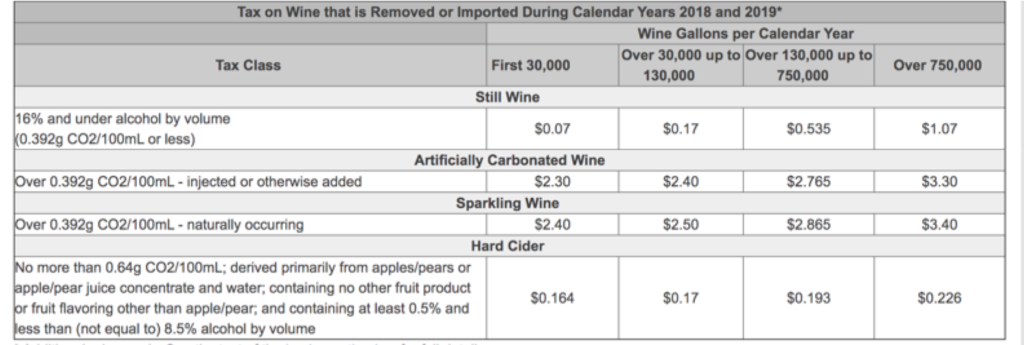
Your Membership Dollars at Work: We are working with a coalition of other alcohol associations to ensure these credits stick around. As of now, they are set to expire. Recently the American Cider Association Board of Directors and members met with 16 congressional offices to educate them on cider and its importance for local economies and agriculture. We encouraged support of the Craft Beverage Modernization and Tax Reform Act, asking for Congress to make the federal excise tax credits permanent.
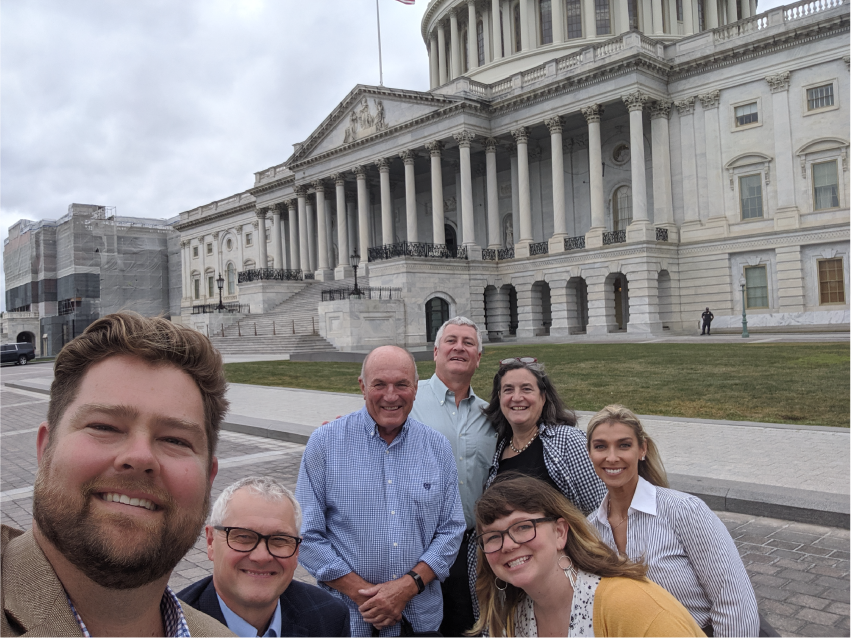
Stay tuned for opportunities to get involved in grassroots actions supporting the Craft Beverage Modernization and Tax Reform Act.
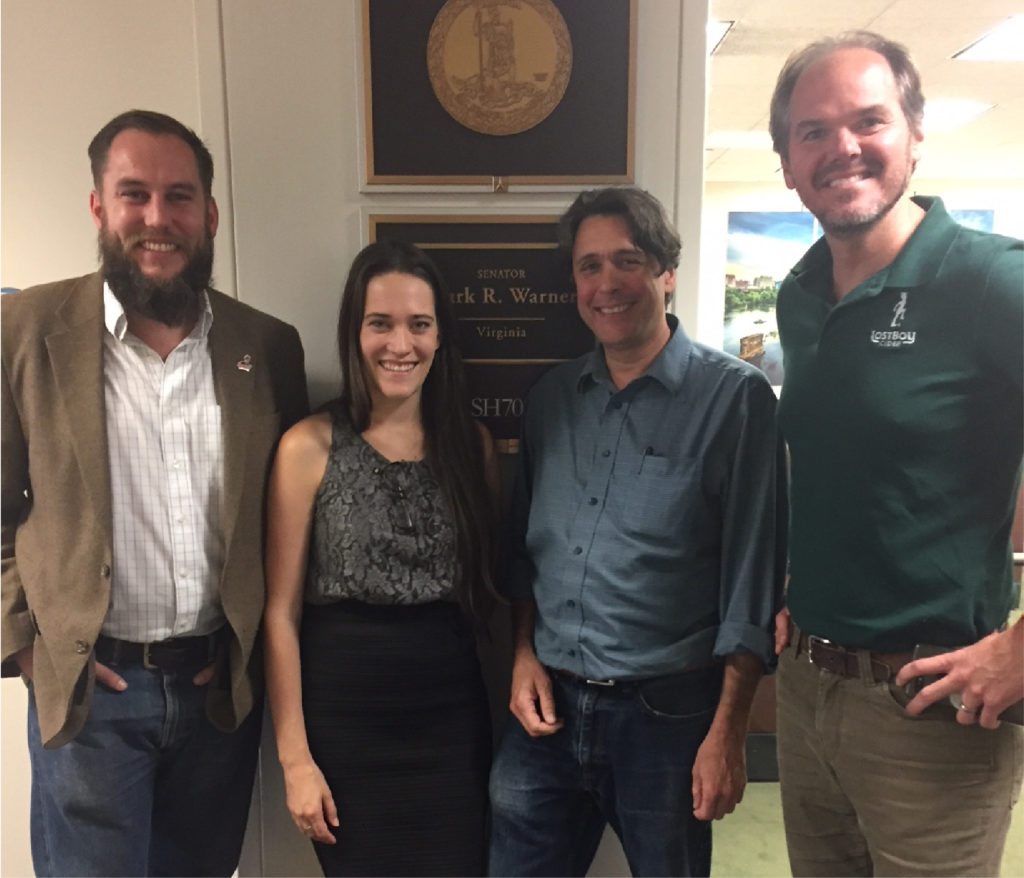
Cider And Cheese Pairings For Any Occasion
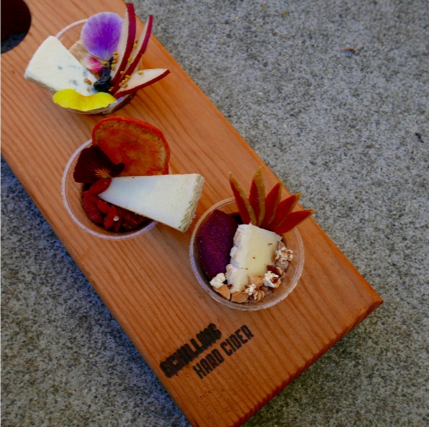
A technique review in honor of #WineAndCheeseDay
It’s a perfect summer morning in the Pacific Northwest. As I stroll into work my mind wanders. Stopping for a shady moment under an apple tree heavily weighted with delicious glowing orbs I am suddenly struck with the desert island question. What drink would I take with me? Cider definitely. Ooh, and cheese too! But, which cheese with which cider?! I could be on this island a long time. I need to get it right.
While cheese and cider can never really be wrong in my mind, there are a few basic techniques to help you to choose pairings that will bring out the best qualities in both the cider and the cheese. Please understand that these are techniques to help guide you and that there will always be exceptions that may not be the best pairings.
● Match intensity: Align intense ciders with intense cheeses and mild cheese with less intense cider. Intensity in food and cider refers to its mouthfeel, which depends on things such as sugar, acid, salt, spice, etc. We get the classic ice cider and blue cheese pairing from this technique.
● Terroir Matching: “If it grows together it goes together.” Sometimes the cheese and the cider are even from the same farm.
● Complement: Pair similar aromas and flavors in both the cider and the cheese.
● Cut: Use the acidity of a cider to cut through the fat of the cheese.
Using these methods, you can take any cider no matter its perceived elegance and create a cheese pairing that is excellent for any occasion.
For an evening of camping, grab yourself a 6-pack of canned berry-forward cider and a creamy mild cow’s milk cheese to savor a deliciously uncomplicated match.
If an evening in with friends is on the agenda, maybe a large-format, bottle-conditioned, tannin-forward cider would be better suited. Accompany it with an aromatic sheep’s milk cheese ideally from the same growing region.
For more advanced cider and cheese pairings we call upon the building blocks of creating taste balance. Balance in intensity as well as balance across the palate, essentially creating the perfect swish, bite and swish.
- Contrast: This pairing is designed to stimulate and intrigue the palate. You are looking for opposing flavors and aromas.
- Complete: Either the cider or the food to complete or fill in any of the 5 main tastes (sweet, sour, bitter, salty and umami) that either the cider or the food does not already contain.
By starting with basic pairing techniques, you are now well equipped to experiment. Don’t be afraid to put your palate to the test and try adding unique ingredients to both contrast and complete both the cider and the cheese. These can include fresh herbs, dried fruits, local honey, nuts, edible flowers or locally grown fresh fruits.
Here’s an advanced example using both techniques: pair baked brie topped with fresh maple syrup and crispy bacon crumbles with a sparkling tannin-forward cider. Score even more points if the bacon came from a pig that grazed in the same orchard where the cider was produced.
To review, these techniques will help you create amazing cider and cheese pairings: match intensity, terroir matching, complement, cut, contrast, complete. Follow these basic guidelines and your cider and cheese pairing will be the perfect match for any occasion.
Author Jennie Dorsey is the Chief Cider Curator of Schilling Cider House PDX, a member of American Cider Association’s Certified Cider Professional Working Group, and a founding member of the Pomme Boots Society.
Photo by Alli Fodor.
2019 American Cider Association Board Election Results
Cider Association Elects 2019 Board of Directors
Paul Vander Heide of Michigan Reelected as President
Portland, OR (February 8, 2019) –The American Cider Association (American Cider Association) elects a new slate of directors and officers each year during its annual meeting which takes place during CiderCon – the industry conference for American Cider Association members held each February. CiderCon 2019 took place at the Hilton Chicago from February 5 to February 8. At CiderCon this week, American Cider Association welcomed new leaders, reelected others and thanked those retiring their service for all they have done to support a growing cider industry.
 Paul Vander Heide of Vander Mill Cider in Grand Rapids, Michigan, has been reelected to the office of President by the American Cider Association Board of Directors. Paul has served on the American Cider Association board since February 2016. During that time, he has been committee chair for American Cider Association’s Certified Cider Professional program, a cider credentials program similar to Cicerone for beer. Paul had previously served as American Cider Association Secretary and Vice President before being elected American Cider Association’s President.
“The beverage industry continues to change at a rapid pace and cider has its own unique challenges and opportunities,” said Vander Heide. “We are stronger when we work together, and I’m proud to continue to do my part to advocate for cider industry stakeholders across the country.”
Vander Heide also sits on the boards of the Michigan Cider Association and the Cider Institute of North America.
“This is the first year American Cider Association members have been allowed to vote for board members whether or not they were physically present at CiderCon,” says Michelle McGrath, Executive Director of American Cider Association. “We made the change to ensure that all members have a voice in the selection of the American Cider Association leadership team.”
ADDITIONAL American Cider Association BOARD OFFICERS FOR 2019
Brooke Glover of Swilled Dog Hard Cider in Franklin, West Virginia, was elected as American Cider Association’s Vice President. Brooke joined the American Cider Association Board in 2018 and will continue to serve as a Member At Large.
Ben Calvi of Vermont Hard Cider Company in Middlebury, Vermont returns for a second term on the board and was reelected as Treasurer by the 2019 American Cider Association Board of Directors.
Eric Foster of Stem Ciders in Lafeyette, Colorado, serving the third year of his first term, was reelected by the board to continue as the Secretary of American Cider Association.
OTHER DIRECTORS: In addition to its Officers, the American Cider Association Board consists of Regional Chairs, Members At Large and three Large Cidery Seats. Eleanor Leger, Eden Specialty Ciders of Vermont and David C. Thorton from James Creek Cider House of North Carolina have been elected to represent Eastern and Southern cideries respectively. Leger returns for her second term after a one-year hiatus. “I would like to support and promote the work of regional associations, and will work to build a strong and vibrant cider community in the Northeast,” says Leger.
Commenting on his election, Thorton says, “I’m pleased to be able to contribute to the board’s current ‘big tent’ philosophy in promoting the growth of the industry at large by aiding in the definition and standardization of product language, and through consumer education about various product styles. I feel strongly that development of cider as a beverage sector will open doors for smaller orchard based and niche producers to increase sales by increasing awareness.”
Continuing their service on the board are these Regional Board Chairs:
Eric Foster of Stem Ciders in Colorado representing the Mountain West;
Marcus Robert of Tieton Ciderworks in Washington representing the Northwest; and,
Dan Young of Tandem Cider in Michigan representing the Midwest.
In addition to their board officer duties, Paul Vander Heide has been reelected as an At Large Member, and American Cider Association Treasurer Ben Calvi has been elected a Large Cidery board member. Other At Large board members include Brooke Glover of Swilled Dog Hard Cider and Sam Fitz of ANXO Cider in Washington DC. Additional Large Cidery board members include Brian Shanks of Bold Rock Cider in Virginia and Ryan Burk of Angry Orchard in New York.
###
MISSION: The American Cider Association is an organization of cider and perry producers in the United States. Its mission is to grow a diverse and successful U.S. cider industry by providing valuable information, resources and services to American Cider Association members and by advocating on their behalf.
For more Information Contact:
Michelle McGrath | Executive Director
American Cider Association
Michelle@ciderassociation.org
PRESS RELEASE: American Cider Association Announces Certified Pommelier Objectives
American Cider Association
FOR IMMEDIATE RELEASE
 The beer, wine and spirits industries all have recognized certification programs designed for food and beverage professionals. The hard cider industry has had its own version—the Certified Cider Professional (CCP) program—since 2016 through the American Cider Association (American Cider Association). Until recently, the CCP program only had one level, geared toward cider servers. Next month American Cider Association administers the exam for the second level of the CCP program for the first time. It’s being touted as their ‘pilot’ exam and will be offered in Chicago during their annual trade conference, CiderCon. Those who pass the test, with its mix of short answer, essay and tasting oriented questions, will earn the title of Certified Pommelier™. American Cider Association announced a study guide for test-taker hopefuls on their website today.
The study guide covers six sections: Apples, the Orchard & History; Cider Making; Flavor & Evaluation; Cider Styles (US and Europe); Keeping & Serving; Food & Cider. These are the same topics covered in the level one exam, but there are noticeable differences in the suggested study concepts for the two tests. To start, the list of apples to know is greatly expanded, for the new exam. Test takers are told they should be able to assign to the apples to region, style and classes bittersharp, bittersweet, sweet or sharp. These classes are determined by acid and tannin levels. The second key difference is the inclusion of traditional European cider styles for the UK, Spain, France and Germany.
“The test is designed to be challenging,” says American Cider Association’s executive director, Michelle McGrath. “Studying is highly recommended. We have some handouts on certain topics available on our website, but the books in our recommended reading list are going to be very helpful preparation.”
“If test takers don’t have experience identifying cider flaws, we suggest they sign up for the ‘Elements of Cider Workshop’ being offered in Chicago on February 5. The instructor, Charles McGonegal, has been teaching people how to distinguish cider characteristics for many years.”
McGrath explains that the expansion of the CCP program is all part of the association’s vision that bars, restaurants and retailers celebrate the diversity of the cider category. American Cider Association’s recent release of version 2.0 of their cider style guide works toward that same goal.
“Cider sales were up 10% in 2018,” added McGrath. “Enthusiasm is growing, and we hope, an expanded awareness of the cider category as a whole can help further sustain this growth.”
The association plans to offer the test four additional times in 2019. Dates and locations are yet to be announced.
You can sign up for the Certified Pommelier exam and find study aides at ciderassociation.org/certification.
###
CiderCon Contest!
How does a cider vacation sound? Pretty good? Well, here is a chance to go on one for FREE! To enter, simply book your room for CiderCon 2019 in Chicago at the Hilton by January 18!

GRAND PRIZE: We’re giving away “The Ultimate California Cider Vacation” to one lucky winner to attend CiderCon 2020 in California. What’s included?
- Airfare to Oakland or San Francisco, California (including transportation expenses from the airport to the hotel)
- 5 nights lodging at the Oakland Marriott
- FREE CiderCon 2020 registration in Oakland, CA–including tours (SONOMA! or SANTA CRUZ?!) & tastings!
- A $50 Gift Card to Redfield Cider or Crooked City Cider–winner’s choice
- VIP cider share entry
- Free tickets to the Bay Area Cider Week event of your choice
GRAND PRIZE RULES
- Airfare is for continental US only. Foreign tickets will be provided an equivalent travel stipend up to a max amount.
- Airfare is for 1 person.
- Airfare and hotel are only good for the week of CiderCon 2020: January 27-February 1, 2020.
- Winner’s name will be pulled at CiderCon 2019. Name on entry ticket is based on name given to reservation desk at the Hilton Chicago.
- Reservations at the Hilton CiderCon 2019 must be confirmed and fulfilled to qualify.
FIRST PRIZE: Want your Hilton Chicago room comped for CiderCon 2019? We’ll be choosing one lucky winner to do just that! We’ll through in a gift certificate for $50 to The Northman Chicago, too! We will comp up to 3 nights hotel maximum.
SECOND PRIZE: American Cider Association board member cider prize! 1 lucky person will go home with a box of cider from our board member’s respective cideries all over the country.
How to enter?
(1) To enter, you must stay at the Hilton Chicago when attending CiderCon 2019 in Chicago. CiderCon 2019 attendees staying offsite will not qualify.
(2) Hilton reservations must be made by January 18, 2019 to qualify for entry.
(3) Hilton reservations must be completed–canceled reservations will not qualify.
(4) Winner names will be pulled based on reservation holders name.
(5) Sorry, former or current American Cider Association board members or staff do not qualify for entry.
Our Executive Director Made Wine Enthusiast’s Top 40 Under 40 Tastemakers List!
PRESS RELEASE: For Immediate Release
Contact helenkanebaldus@gmail.com for follow up or images
Article Link: https://www.winemag.com/
Featured image by Scott McDermott
Cider Association Executive Director Makes 40 Under 40 Tastemakers List By Wine Enthusiast
Portland, OR [August 21, 2018] – The American Cider Association (American Cider Association) is thrilled to announce that its executive director, Michelle McGrath, has been named a 2018 40 Under 40 Tastemaker in the U.S. by Wine Enthusiast magazine. The Wine Enthusiast 40 Under 40 list recognizes the young winemakers, brewers, beverage directors, grape growers, and other movers and shakers who are changing today’s beverage industry.
“I am humbled and honored to receive this distinction,” exclaimed McGrath. “The most thrilling part is the well-deserved national recognition it means for cider.”
American Cider Association is a young association, formally designated in 2014. McGrath became the association’s first executive director in the summer of 2016. In just two years her impact and leadership is visible through increased membership, a growing general awareness of cider styles and an ever-improving CiderCon—the industry’s annual conference.
 “Michelle has brought real professionalism to a young organization,” shared Paul Vander Heide, owner of Vander Mill Cider and American Cider Association Board President. “Her engagement with members, industry stakeholders, and policy makers has dramatically advanced our mission to support and grow the US cider industry.”
McGrath credits her success to the association’s passionate members, especially its board of directors. “I’ve worked with several boards in past roles, and I’ve never come across one as effective as American Cider Association’s. It’s why we can do so much with so little. All of our volunteers deserve so much credit.”
McGrath has managed to lead an extremely diverse industry towards category-wide standards, by overseeing the creation and development of the association’s consumer-facing cider style guide—the first of its kind, adopted in October 2017.
“Cider as a category is not just one thing, but an incredible variety of styles and points of view,” said American Cider Association member and cider author, Darlene Hayes. “It’s a challenge to represent such diversity.”
McGrath is up for that challenge, according to Stephen Wood, founder of Farnum Hill Cider and American Cider Association volunteer. “McGrath has shown herself to be equally adept at working among the diverse continuum of groups that make up the U.S. cider industry, from large market-driven cider makers to smaller orchard-based cider makers, processors and suppliers to advisors and advocates.”
Under her strategic direction, the association is attacking the development of new programming to support and grow the cider industry. From promoting cider education through the association’s Certified Cider Professional Program (CCP), to advocating for the fair and accurate treatment of cider with the government and the media to leading the creation of cider-specific market data, she’s taken the role of championing cider seriously and fiercely.
“Michelle is the real deal. She works tirelessly and diligently with cider makers across all regions of the US to help raise the profile and market share of American cider,” said Jolie Devoto, founder of Golden State Cider and American Cider Association Member. “She’s supporting a dialogue about cider on a massive scale.”
McGrath’s goals are not quaint. “I want US cider to be the most coveted cider in the world. I want every bar in America to feature multiple styles and understand the story behind our category. I want to double our market share. US cider deserves to be celebrated. I applaud Wine Enthusiast for doing that within their 40 Under 40 program.”
The October issue of Wine Enthusiast will feature the 40 Under 40 tastemakers selected for 2018, including McGrath.
###
Congratulations to Michelle!
American Cider Association Member Updates for April 2018
We know how important industry statistics are to you and the rest of the cider community. We’ve been busy working to bring you the highest potential possible from our partnership with Nielsen. We’re excited to have several updates for our members about this partnership:
- Nielsen is extending a special packaging design offer to our active members with a multi-pack product (4- or 6-packs). This is an opt-in model-group study and thus costs 90% less than an independent study. On top of that savings, as an active member, you will receive a $300 discount to take part. Contact Nielsen by APRIL 12 to sign up. Want to learn how this audit will help launch your brand to next level? Read more here. To ensure that these benefits are reaching the industry members paying for their appropriate membership type, we will only be offering the Nielsen opt-in study to our active cidery-level members. If you are a member at the Home-Cider Maker or Cidery-in-planning levels and wish to participate in the discounted audit, please contact us to update your membership.
- On April 26, Nielsen is offering an encore webinar on the 2017 market trends. This will be like the CiderCon encore webinar offered last year except with current data. The webinar link will go out to our members with active, paid-up accounts.
- We will have the first annual report of on- and off-premise trends available to members shortly. This exclusive benefit includes an executive summary and in-depth spreadsheets from Nielsen containing on- and off-premise data for 2017. The data is broken down by aggregate national and regional brands as well as by total US market and regional markets. We will be sharing an option for subscribing to quarterly reports at the time of this first report’s release. Stay tuned!
These benefits are exclusively for our members. We deeply appreciate the critical support members like you provide us. Together, we can grow our voice and our resources to aggressively and strategically promote our innovative, apple-centered industry–a booming industry at that, with 30% growth of regional cider brands in 2017. American Cider Association is doggedly pursuing benefits like these to help our members succeed. Expect more to come.
Please log in to your account to make sure that your membership for John Doe is up to date. This will allow you to take advantage of these benefits. If you are an employee at John Doe, make sure you are linked to their account–the membership bundle admin at your company can log in and add you for free. If you need any assistance updating your membership, contact Ellen.
Cider Week Baltimore Schedule of Events
American Cider Association gained non-profit status in 2014. Right at the get-go, we adopted a structure to support the diversity of our membership
By Bruce Nissen, Board President, bruce@ldbbeverage.com
American Cider Association gained non-profit status in 2014. Right at the get-go, we adopted a structure to support the diversity of our membership:
(1) Tiered membership levels based on annual production.
(2) Board seats carved out for geographical regions and for large producers.
Our board functions with 11 seats: five are regional chairs, three are at-large, and three are set aside for large producers. These carved-out seats simultaneously provide for the inclusion of large producers and keep their influence in balance. Until now, the large producer benchmark has been a half million gallons a year. 500,000 gallons of cider was a lot for even our most widely-distributed members in 2014.
Today, our industry has changed. You are expanding distribution, adding production lines, and entering new markets. It’s great news for the cider industry. To reflect this phenomenal growth, we are updating our benchmark for large producers. Moving forward, the three large producer board seats will be for cideries making more than a million gallons a year.
The diversity of American Cider Association’s membership is our greatest strength. We have cideries of all shapes and sizes, and we work hard to make sure our programming supports all your needs. For example, we will have an entire track for orchard-based heritage cider producers at CiderCon 2018.
It pleases us to need to respond to your growth. Feel free to reach out to me with any questions, and thank you for growing with us!
By the way, if you are producing 500,000-999,999 gallons a year, your membership fee will be lower as a result of this change. Good news for you!