Uncategorized
Pick Cider for National Cocktail Day


Celebrate National Cocktail Day with a Cider Twist
National Cocktail Day is the perfect excuse to shake things up, and if you are not reaching for cider, you are leaving serious flavor on the table. Cider brings acidity, tannin, and fruit complexity that most cocktails are missing. It plays well with spirits, lifts aromatics, and gives you a lighter, more dynamic drink.
If you care about balance and drinkability, cider cocktails are not a gimmick. They are a smart upgrade.
Jennie Dorsey, author of Cider Paired and Plated shares four cider-forward cocktails that hit classic templates with a fresh orchard-driven edge.
Cider Negroni
A riff on the iconic Negroni, this version softens bitterness and adds layered apple character.
Ingredients
- 1 oz gin
- 1 oz sweet vermouth
- 1 oz bitter aperitivo (like Campari)
- 2 oz dry, tannic cider
Instructions
- Add gin, vermouth, and aperitivo to a mixing glass with ice.
- Stir until chilled.
- Strain over a large cube in a rocks glass.
- Top with cider.
- Garnish with an orange peel.
Why it works
The cider stretches the drink, rounding bitterness while adding structure. Choose a dry, high-tannin cider with enough acid to keep it lively.
Cider Hugo Spritz
A cider-driven take on the alpine classic Hugo Spritz. Bright, floral, and dangerously easy to drink.
Ingredients
- 1 oz elderflower liqueur
- 3 oz semi-dry cider
- 2 oz sparkling water
- Fresh mint
- Lime wheel
Instructions
- Fill a wine glass with ice.
- Add elderflower liqueur and cider.
- Top with sparkling water.
- Gently stir.
- Garnish with mint and lime.
Why it works
Cider replaces prosecco with more depth and less overt sweetness. The apple and elderflower combination feels natural, not perfumed.
Orchard Tiki Punch
A cider-based tropical build inspired by Tiki cocktails. This is where orchard meets island.
Ingredients
- 1 oz dark rum
- 1 oz overproof rum
- 2 oz pineapple juice
- 1 oz fresh lime juice
- 1 oz cinnamon syrup
- 3 oz semi-dry cider
- 2 dashes Angostura bitters
Instructions
- Add all ingredients except cider into a shaker with ice.
- Shake hard.
- Pour into a tiki glass or highball with crushed ice.
- Top with cider.
- Garnish with mint, pineapple frond, or grated nutmeg.
Why it works
Cider adds acid and structure that tiki drinks often lack, keeping the sweetness in check while amplifying fruit.
Apple Lychee Martini
A modern orchard-tropical hybrid built off the structure of a Lychee Martini. Clean, aromatic, and elegant.
Ingredients
- 2 oz vodka
- 1 oz lychee liqueur or lychee syrup
- 1 oz fresh apple cider (unfiltered if possible)
- 0.5 oz lemon juice
- 1 oz dry sparkling cider
Instructions
- Shake vodka, lychee, apple cider, and lemon juice with ice.
- Strain into a chilled coupe.
- Top with cider.
- Garnish with a lychee or thin apple slice.
Why it works
Lychee brings floral sweetness, while cider sharpens and lifts the drink
Final Thoughts
If you are serious about cocktails, cider deserves a permanent place on your bar. It is not just a substitute, it is a tool. Acid, tannin, carbonation, and fruit, all in one ingredient.
Start here, then push further. Swap styles, test sweetness levels, explore cider’s base elements, and its many possible additions. That is where things get interesting.
Discover more about cider cocktails with Cider Paired and Plated: The Art of Food and Cider Pairing.
Introducing the ACA Advocacy Alliance

The American Cider Association is proud to announce the launch of the ACA Advocacy Alliance — a focused initiative designed to strengthen and expand cider’s voice in Washington, DC and beyond.
As our industry grows and evolves, so do the policy conversations that shape its future. From tax treatment and regulatory modernization to category definition and market access, cider must be represented clearly, consistently, and strategically. The ACA Advocacy Alliance was created to meet that moment.
A Shared Investment in Cider’s Future
The Alliance is made possible through the investment of a group of progressive producers who recognize that meaningful policy engagement requires sustained attention and dedicated resources.
This model allows advocacy efforts to scale responsibly while ensuring that the broader ACA membership benefits from stronger representation and increased momentum at both the federal and state levels. It is a shared investment approach, one that supports focused action while strengthening the entire category.
The initiative is managed by Jenn Root Martell, ACA Government Affairs Director, in close coordination with the ACA Government Affairs Committee. Together, they will guide strategy, outreach, and execution across priority issues affecting cider producers nationwide.
Early Momentum
Momentum is already building.
- The ACA will engage Washington, DC–based lobbying firm PACE, LLP to support federal strategy and congressional engagement.
- Outreach is underway with key champions to explore updating federal cider definition language through a revised “Bubble Bill,” creating a more cohesive and impactful legislative package that better reflects today’s cider market and brings fruited cider parity on many levels.
- We are developing a member poll to collect TTB labeling issues to present before the agency later this Spring.
This effort represents a significant opportunity to modernize policy in ways that support producers of all sizes while positioning cider for long-term growth.
Committed Alliance Supporters
We are grateful to the producers who have already stepped forward to support this initiative:
- Angry Orchard/Boston Beer Company
- 2 Towns Ciderhouse
- Schilling Cider
- Blake’s Hard Cider
- Ciderboys
- Beak & Skiff Apple Orchards/1911 Established
- Vermont Cider Company
- Portland Cider Company
Their leadership reflects a belief that proactive advocacy is essential to protecting and expanding opportunity for the entire cider category.
Join the Effort
The ACA Advocacy Alliance is designed to grow. As more producers participate, our collective voice becomes stronger, more credible, and more effective. If you are interested in supporting this effort or would like to learn more about how to get involved, please contact Jenn Root Martell at jenn@ciderassociation.org.
The future of cider will be shaped by those who show up. We’re excited to build it together.
CiderCon® 2026 in photos
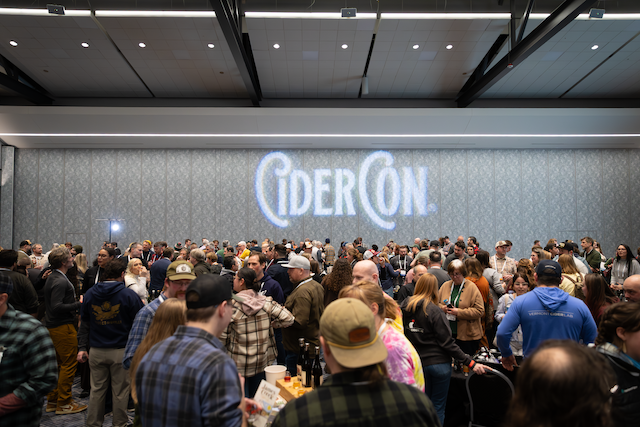
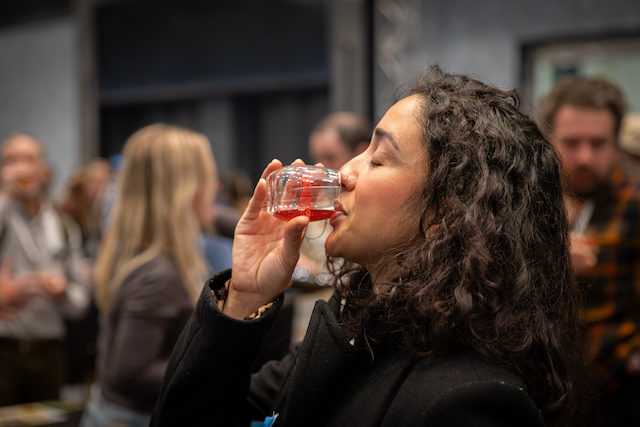
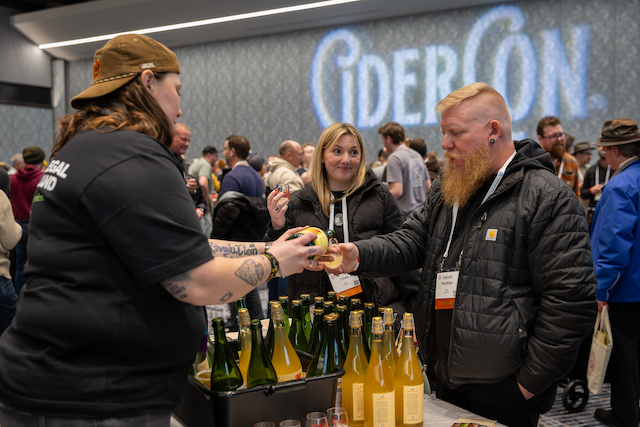
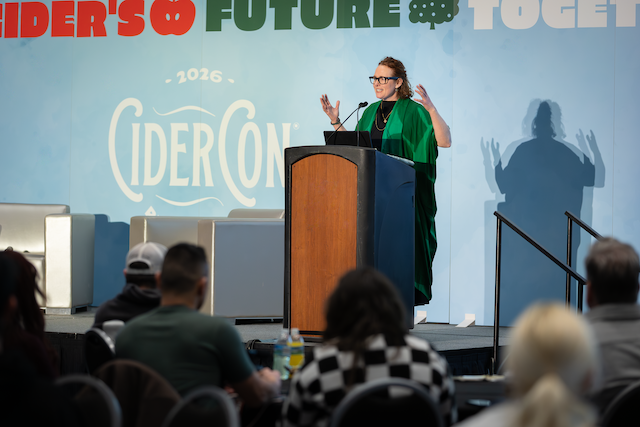

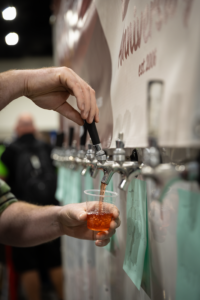
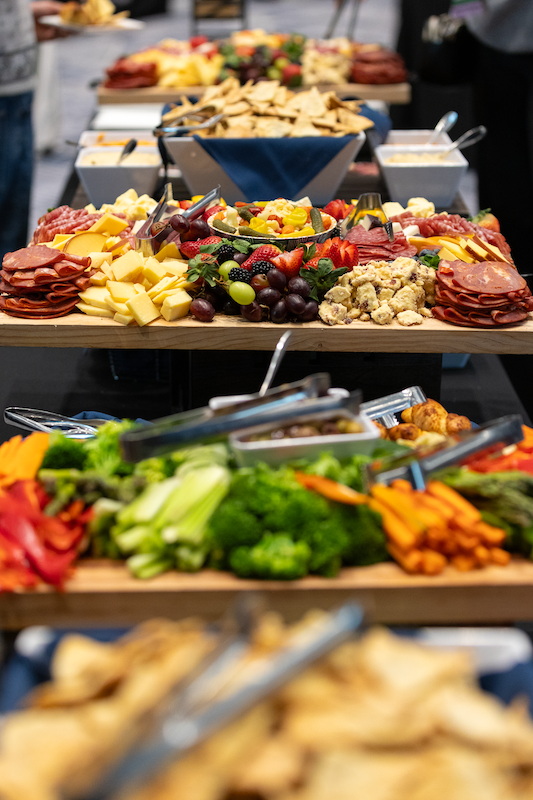

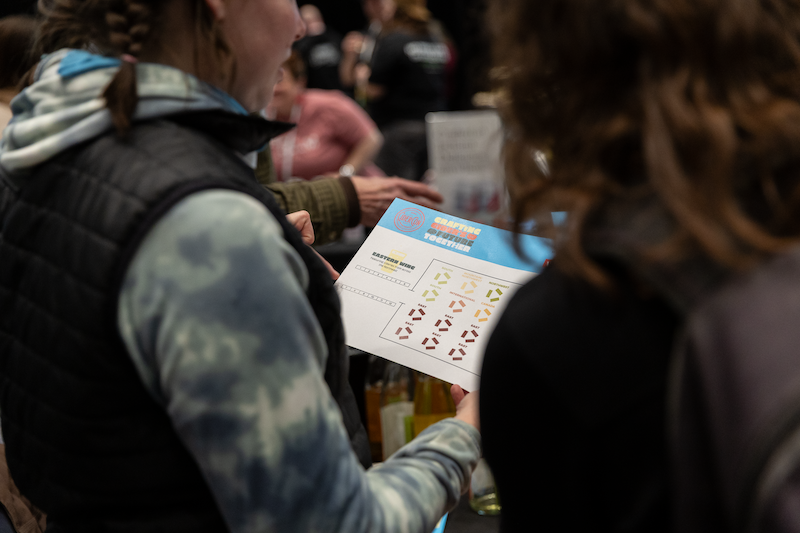
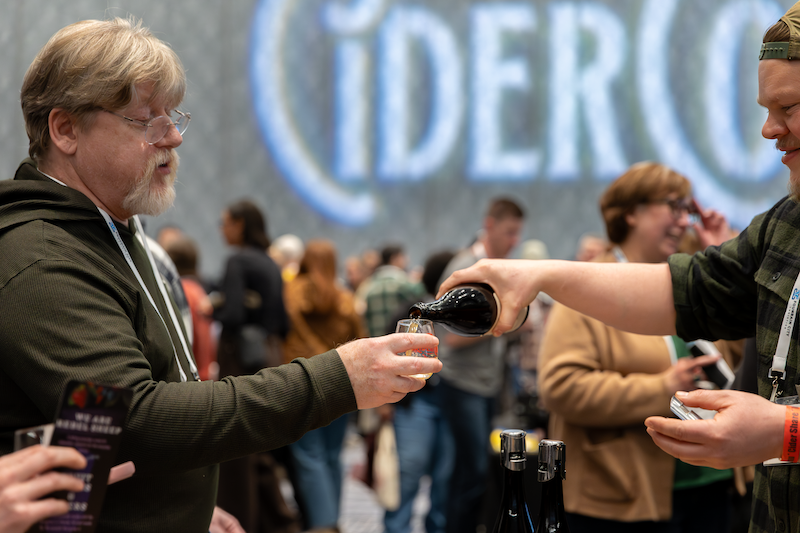
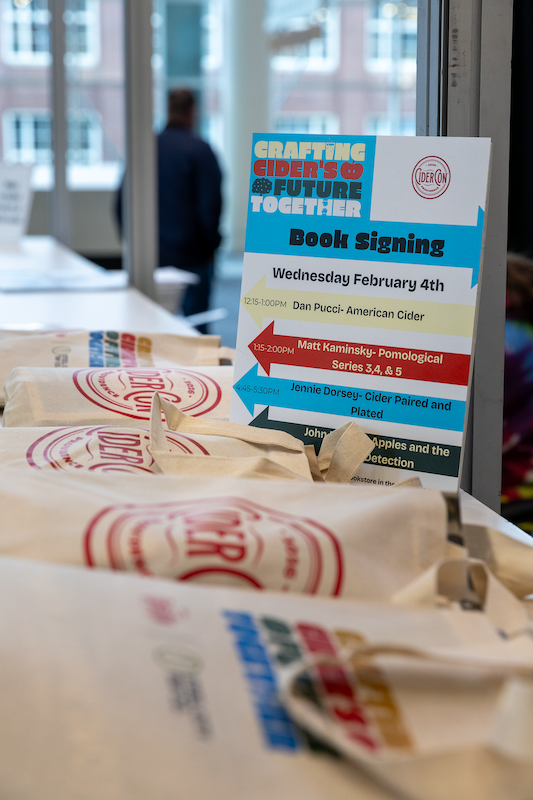

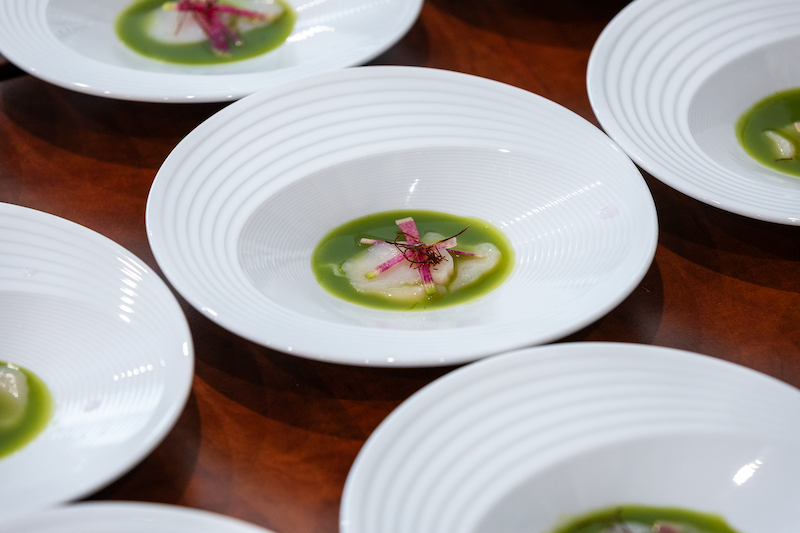


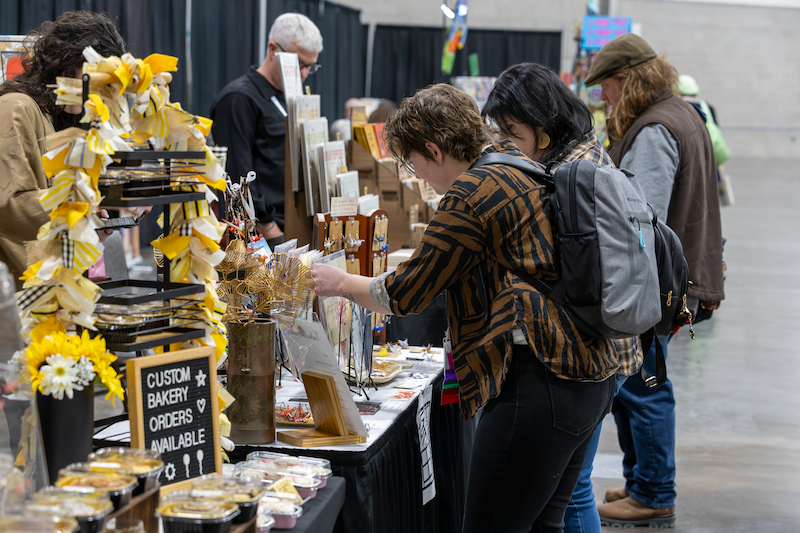
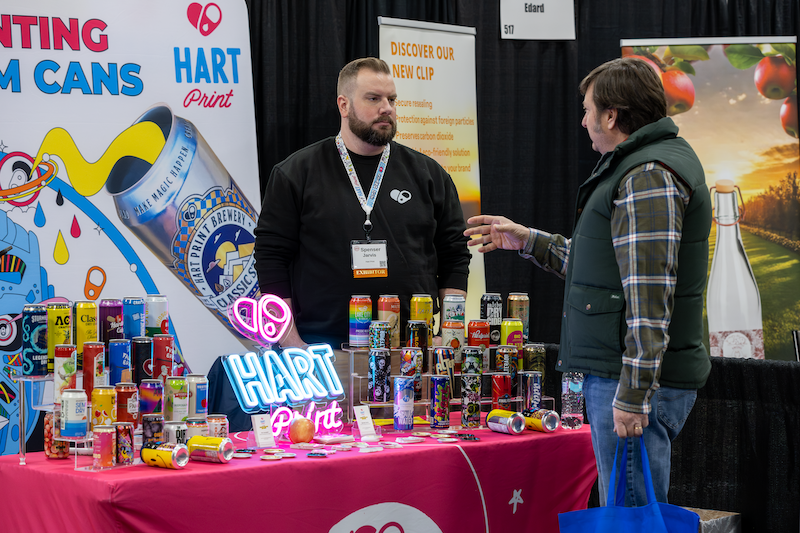
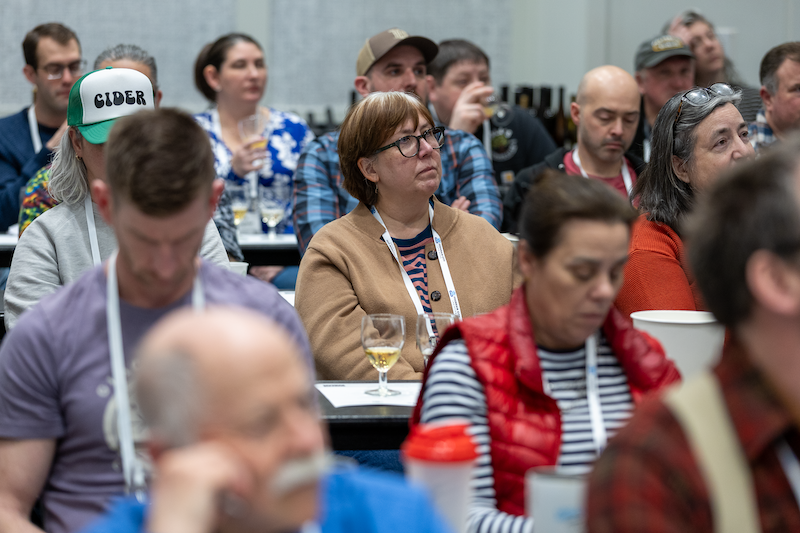
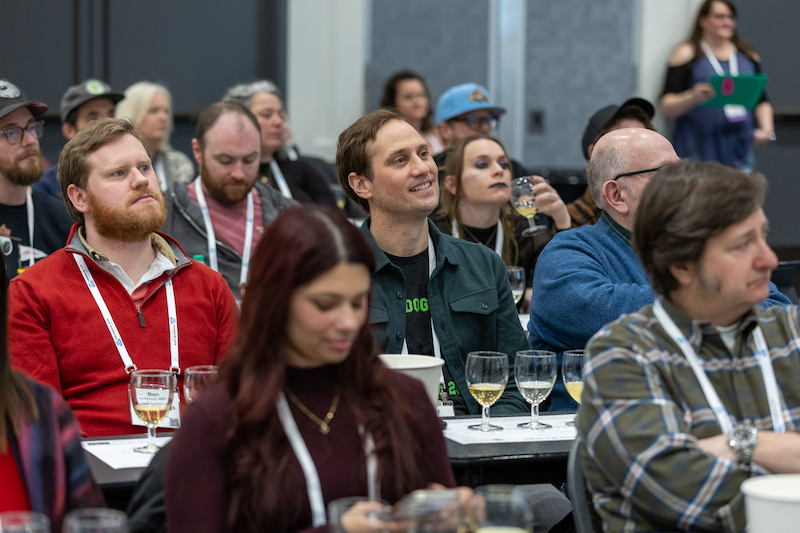
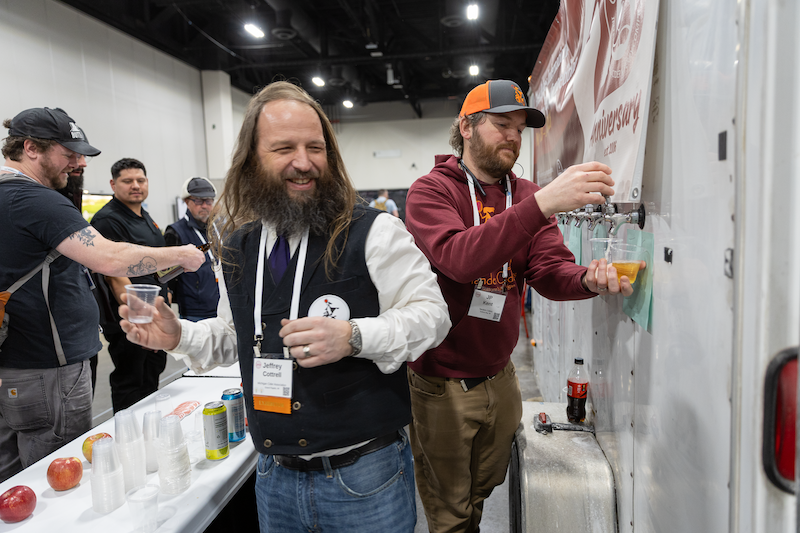
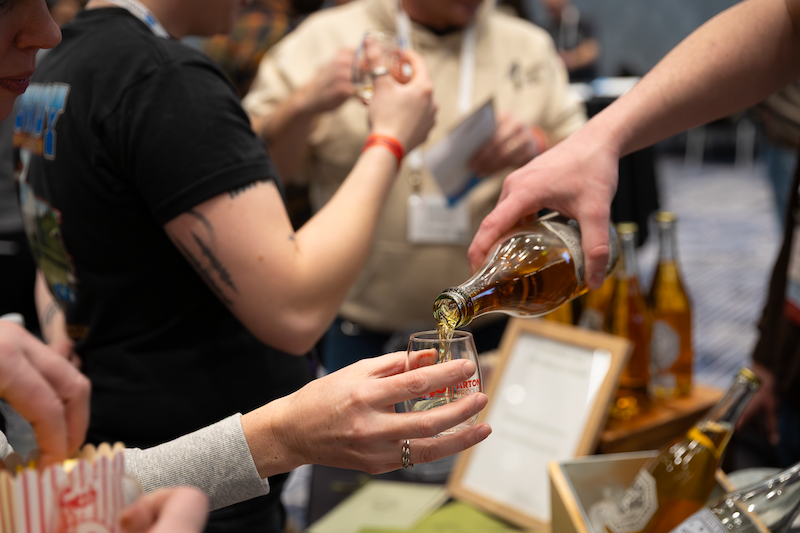
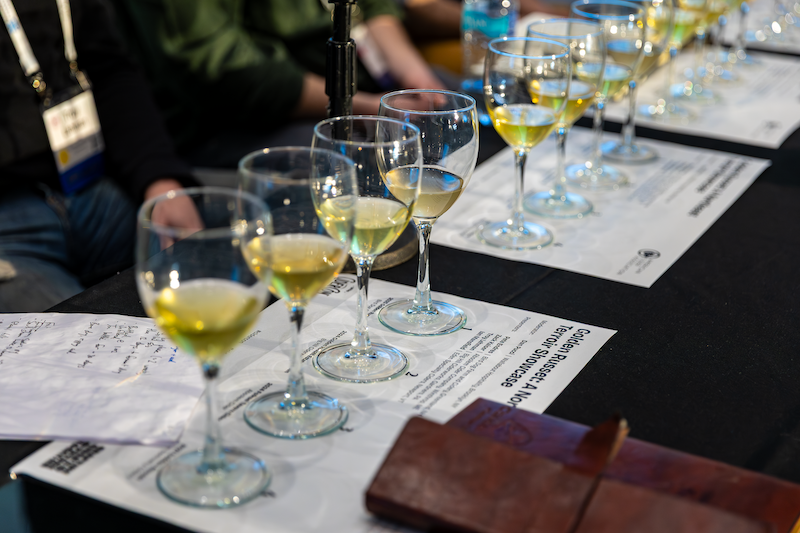
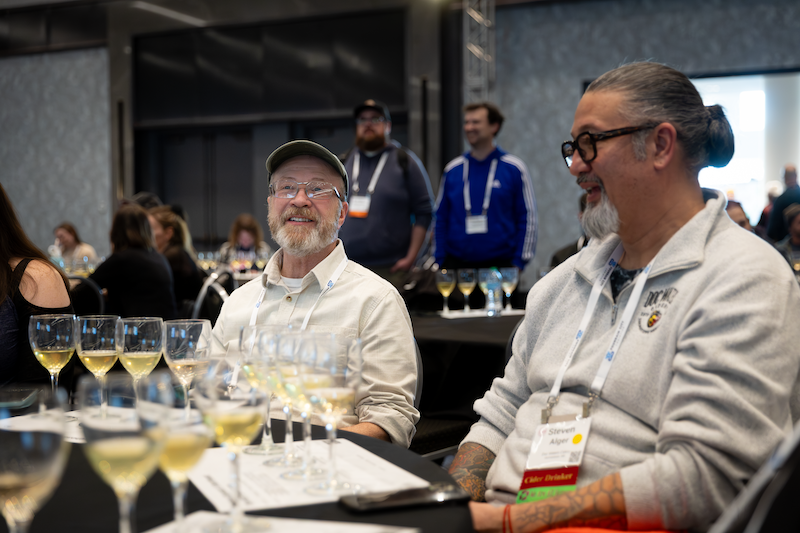
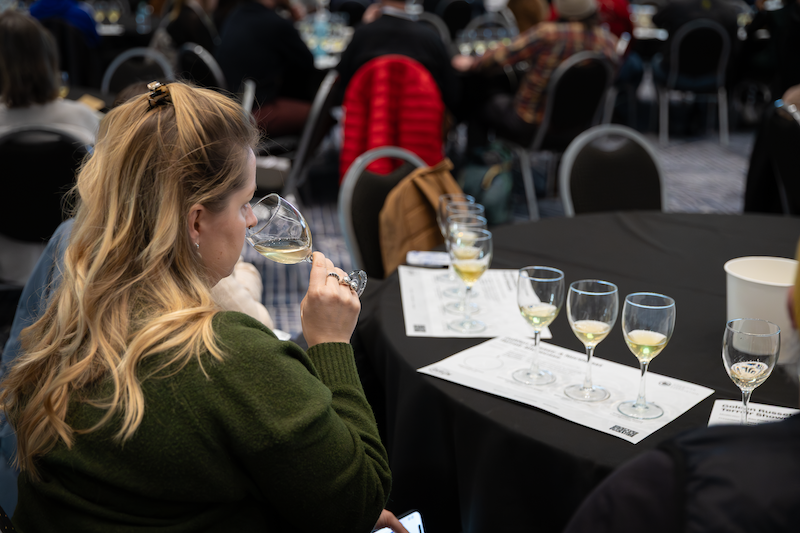

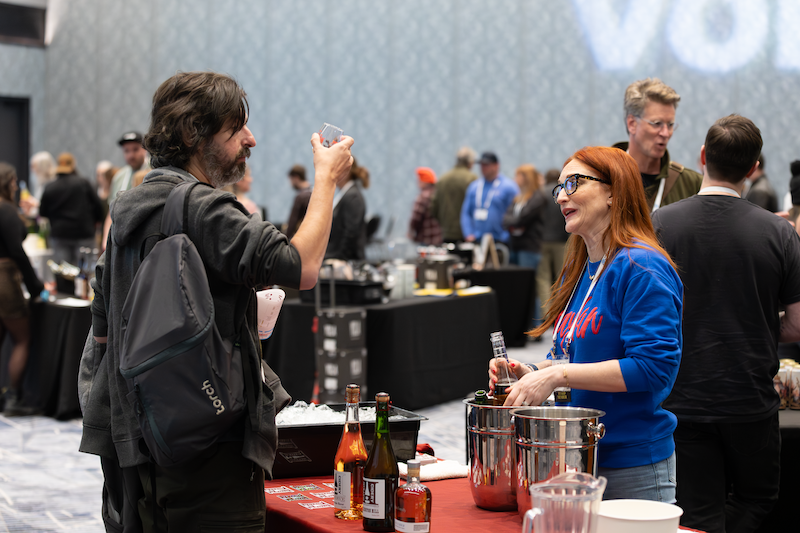
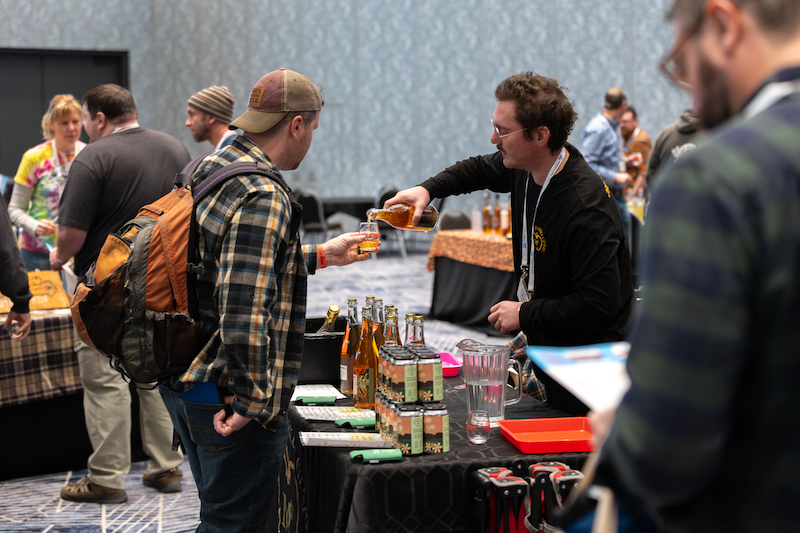
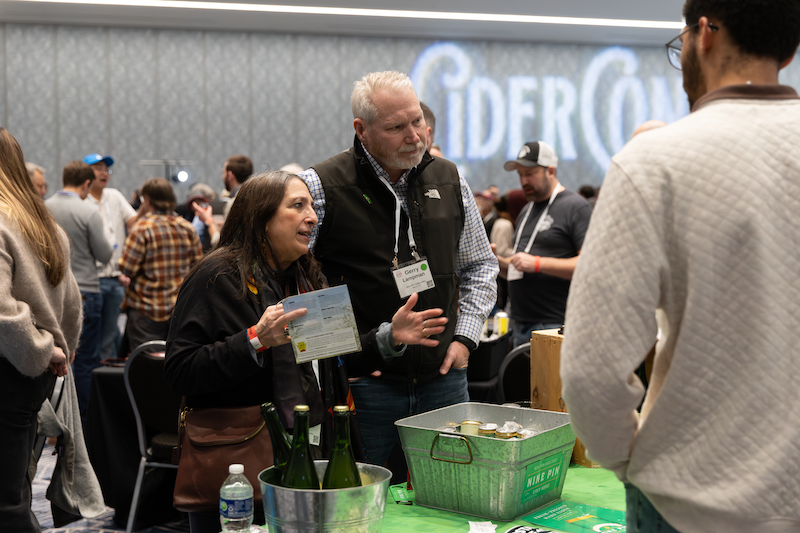
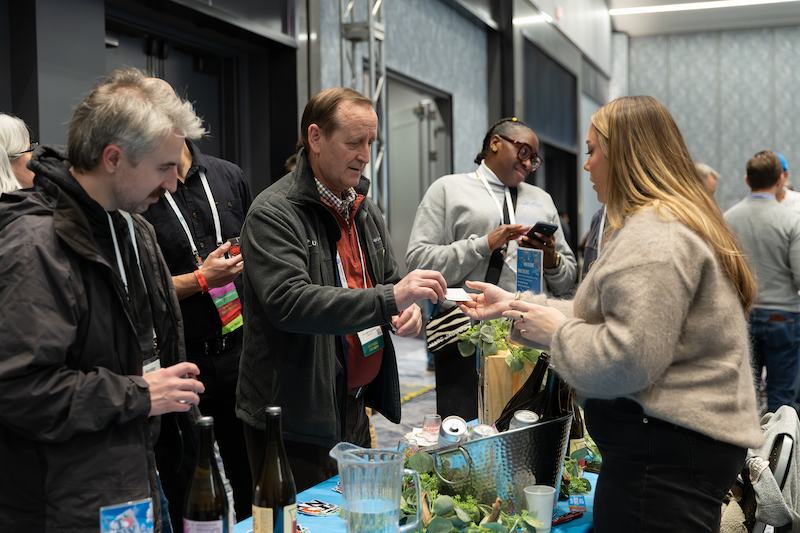
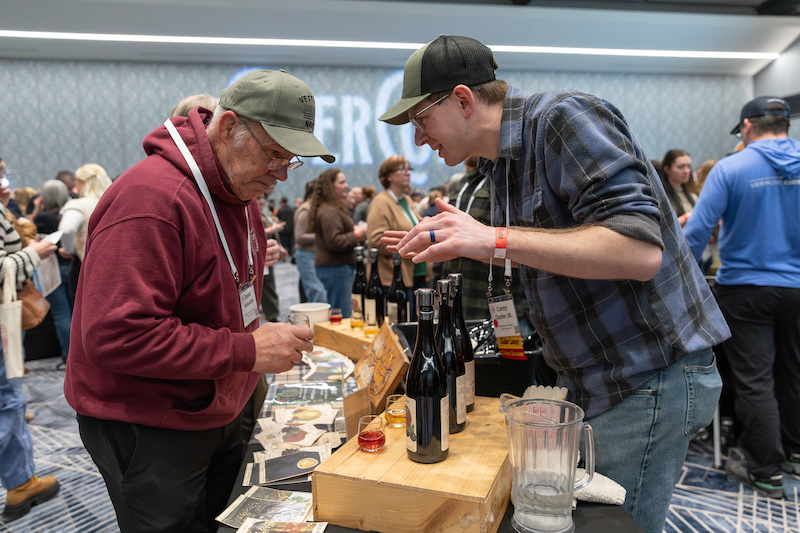
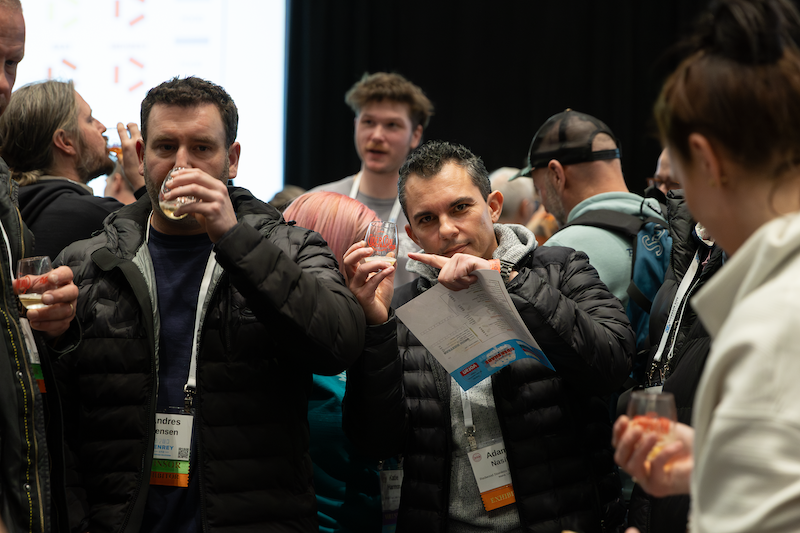

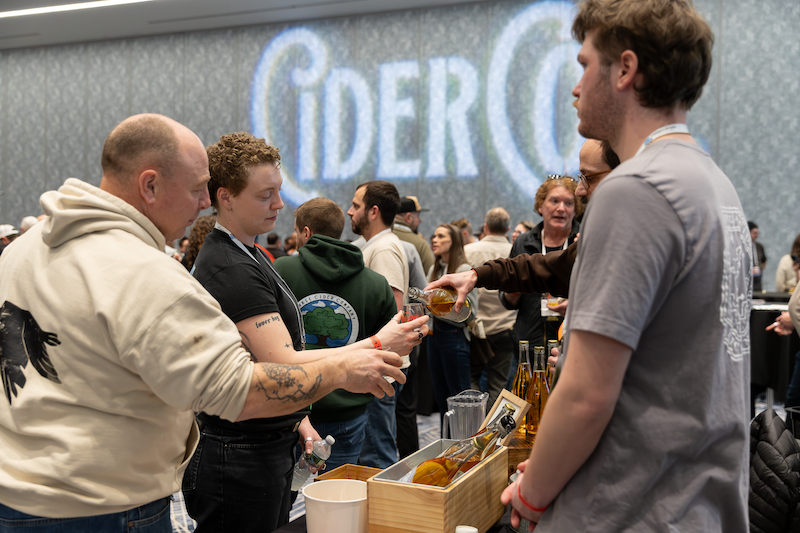
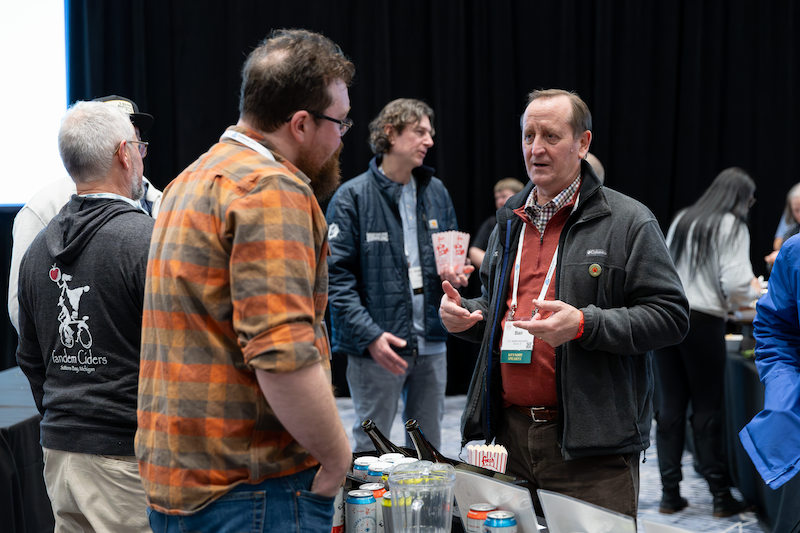
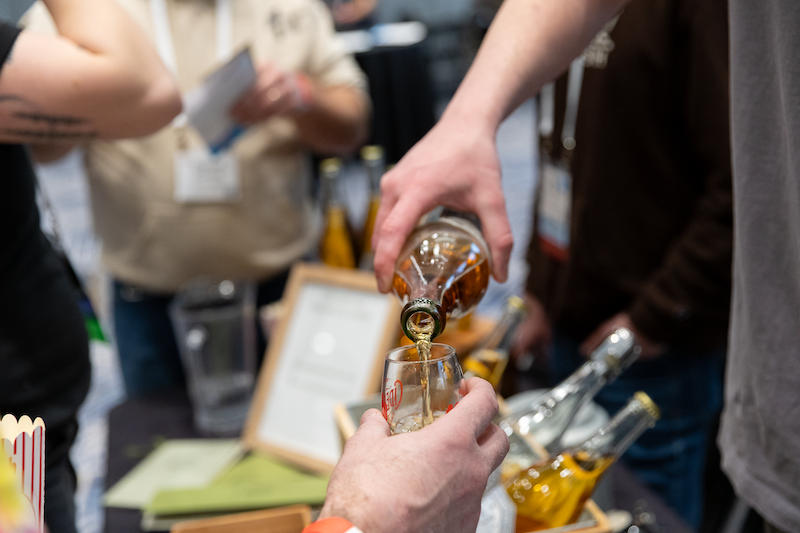
Do you have amazing photos from CiderCon® 2026 you would like to share? Please email jennie@ciderassociation.org
Rolling Out Pressing Matters: ACA Educational Webinar Series


One of the most consistent pieces of feedback we hear after CiderCon® is that the learning shouldn’t stop when the conference ends. While the annual gathering remains a cornerstone of our community, we know many cider professionals are looking for more opportunities to stay connected, ask questions, and keep building their knowledge throughout the year.
Starting this April, the American Cider Association is launching a new monthly webinar series designed to bring practical education to cider makers and industry professionals year-round.
Held on the Second Thursday of each month at 11:00AM PT/2:00PM ET, these live sessions will feature expert speakers, practical topics, and opportunities for Q&A. Each webinar will also be recorded and archived, creating a growing library of resources that members can access anytime.
For ACA members, the webinars will be available for $5 per session, while non-members can participate for $20. This also gives unlimited access to the recorded material in perpetuity.
Because the TTB could not join us in Providence this year, our webinar series will kick off with a FREE two-part program focusing on regulatory essentials for cider producers and including much of the content the team would have brought to CiderCon®. *Due to the evolving nature of regulatory guidance, these webinars will not be recorded.
April 9th, 2026
TTB Bootcamp Part 1: Labeling and Formulas
A practical guide to navigating TTB requirements for cider labels and formulas, including when formulas are required, common approval pitfalls, and tips to help producers move through the process more smoothly.
May 14th, 2026
TTB Bootcamp Part 2: Operations Reporting and Taxes
This session will cover key compliance responsibilities for cider producers, including operational reporting, excise tax obligations, and how to stay organized with federal requirements throughout the year.
These first sessions will set the stage for a broader series of monthly programs covering topics across production, orchard management, sales, marketing, policy, and emerging trends in the cider market.
By expanding educational programming beyond the annual conference, the ACA aims to make industry expertise more accessible—especially for members who may not be able to travel to CiderCon® but still want to stay connected to the latest conversations shaping cider.
Registration for the April and May sessions is now OPEN. Register with the links above. This series is designed to grow with the industry. ACA members are invited to suggest topics they’d like to see explored in future sessions. Please email jenn@ciderassociation.org if you would like to submit webinar topic suggestions.
May 13th Certified Pommelier™ Exam at GLINTCAP


TAKE THE CERTIFIED POMMELIER™ EXAM AT GLINTCAP on MAY 13th, 2026!
Are you ready to take the next step in your professional development in the cider industry?
If you have already passed the Level 1 Certified Cider Guide™ exam and are looking for that next challenge? Now is your chance!
The American Cider Association is pleased to announce that a Certified Pommelier™ Exam will be held at GLINTCAP 2026 in Grand Rapids, Michigan. The exam will take place on Wednesday, May 13th, 2026. The exam will begin promptly at 9:00 AM.
*Level 1 Certified Cider Guide™ certification is a prerequisite for taking the Certified Pommelier™ Exam. (Haven’t taken your Level 1 Certified Cider Guide Exam™? Buy the bundle here! ACA Member discounts for Level 1 are available in the Resource Hub.)
There’s a discount code available for ACA members for the Certified Pommelier™ Exam. You can find that code in our Resource Hub.
WHAT IS THE CERTIFIED POMMELIER™ EXAM?
The American Cider Association’s mission is to grow a diverse and successful cider industry by providing valuable information, resources and services to our members and by advocating on their behalf. One way to fulfill this mission is through the Certified Cider Professional™ Program, a program aimed at educating the front-line of cider hospitality (distributors, retailers, bartenders and more!) while also welcoming journalists and serious cider enthusiasts.
The exam for the introductory level certification, Certified Cider Guide™ (CCG), is an online test that can be taken at any time. The exam for the more advanced second level of certification, Certified Pommelier™, is only available in person. The exam consists of two parts, a written theory exam comprising short answer and essay questions and a blind sensory evaluation of a number of ciders. Passing the introductory level exam is a mandatory prerequisite to sitting for the Level 2 Certified Pommelier™ exam.
Certified Pommeliers™ must have a fundamental understanding of all topics covered at the introductory level, but must also be able to think critically and demonstrate a deeper understanding of cider and the cider industry.
The topics covered in the exam are:
- Apples, the Orchard & History
- Cider Making
- Flavor & Evaluation
- Cider Families
- Keeping & Serving
- Food & Cider
- Social Responsibility
The exam is meant to be challenging. The only information necessary for successfully passing the theory section of the exam is contained in the Certified Pommelier Study Guide available on Amazon. To study for the evaluation section of the exam, candidates should consider attending one of the sensory analysis videos available through the ACA’s website or attend one of the regularly scheduled webinars. Access to pre-recorded webinars and registration for upcoming live webinars is available directly through our website.
WHY BECOME A CERTIFIED POMMELIER™?
Cider is a beautifully nuanced beverage that is less well understood by most consumers. Having the knowledge and skills required to become a Certified Pommelier will equip you to better serve customers, enhance your standing in the beverage community, and give you a unique and valuable professional qualification. Being recognized as a Certified Pommelier™ will put you in the vanguard of advanced cider specialists in this ever growing category.
HOW MUCH DOES THE TEST COST?
The registration fee for the exam is $350. Current members of the ACA can register at a discounted price of $250 by using the discount code that can be found here. If a candidate sits for the exam but does not pass either section, or only passes one of the two sections, theory or sensory evaluation, they can resit for the section of the exam that they did not pass at a future date. The fee for retaking the exam is $175 for non-members and $125 for current members of the ACA.
Read Terms & Conditions before registering.
WHAT MATERIALS ARE AVAILABLE TO STUDY FOR THE EXAM?
- The Certified Pommelier™ Study Guide is available directly through Amazon. It is also available at all of Amazon’s international sites.This is the official study guide for the second level of the American Cider Association’s professional certification program. It contains all of the information needed to study for and pass the examination. No other reference materials are required.
- There is also a dedicated Facebook Group (that is open for all to join) with prep materials and in-depth peer conversations that many candidates have found useful.
- Sensory evaluation is an important part of being a Certified Pommelier™ which is why we test your ability to accurately analyze the structural components, aromas, and flavors of a variety of ciders. In order to aid in the development of your sensory evaluation skills and understand the approach to testing them, we have several pre-recorded videos available for purchase. In addition, we host several live sensory analysis webinars each year. You can access the videos and look for scheduled webinars here.
FREQUENTLY ASKED QUESTIONS
(Download the Frequently Asked Questions document.)
Are there ID or minimum age requirements to sit for the event? YES. You must be of legal drinking age in the country where you sit for the exam, and when checking in at the exam you must provide a photo ID that will both verify your age and identity.
When will we receive our graded exams? Exams are not returned to candidates, however you will be notified as to whether or not you have passed about 6 weeks from the exam date. If you did not pass a section of the exam, you may request a breakdown of your points by general topic to help you identify areas in which you could improve your score should you wish to retake the exam.
What is the grade needed for passing? 60% of the possible points for sensory evaluation and 70% for theory
Is there a tasting section on the test? Yes. You will be asked to evaluate six ciders in two flights, one flight that assesses your ability to distinguish between key structural elements and a second where you are asked to complete a full evaluation of three ciders using the Structured Sensory Analysis format. The possible aromas and flavors document will be supplied for use during the exam.
How long does the test take? You are given 2 hours to complete the theory section of the exam and 1 hour and 15 minutes to complete the sensory evaluation section. There is a 15 minute break in between sections.
Is it ok if the name on my ticket or registration doesn’t match the person who attends? Registrations are not transferable, so the name on the I.D. presented when checking in for the exam must match the name on the registration.
What happens if I cannot attend my registered exam? Please see Exam Rescheduling, Timelines and Fees in the Terms and Conditions Document for full details. If you do need to cancel your registration, exam registration fees can be refunded up to 14 days before the exam. Please note that a $25 administration fee applies to any cancellation.
When can I register for the exam? Exam registration is open until 14 days before the posted exam date.
How can I contact the organizer with any questions? Please contact Director of Education Jennie Dorsey at jennie@ciderassociation.org.
What can I bring into the event? Bringing a personal water bottle is recommended for both sections of the exam. Cell phones, smart watches, computers, books or papers, and any and all other personal items must be left at a designated storage area in the exam room. Pencils will be provided, and spare paper will be available on request. Spit cups, and water will be provided during the evaluation exam. We encourage you to bring your own water bottle for the theory exam. Please contact Director of Education Jennie Dorsey at jennie@ciderassociation.org prior to registering for the exam if you wish to request special accommodations.
Is the Certified Pommelier™ Exam available in my area? Certified Pommelier™ exams are held periodically throughout the year and in a variety of locations. Please check our current exam schedule to find an exam suitable for you.
How many Certified Pommeliers™ are there currently? You can find the current number of Certified Pommelers here.
Do I need to pass the Certified Cider Guide™ exam to take the Certified Pommelier™ exam? Yes. Passing the introductory exam to become a Certified Cider Guide™ is a prerequisite. If you have not yet taken this exam, you can purchase a package which includes an instructional video, study guide, and access to an online exam HERE.
April 27th L1 Certified Cider Guide™ Workshop and Exam PDX


Join Us for a Level 1 Certified Cider Guide™ Certification and Sensory Workshop at Bauman’s on Oak on April 27th!
The American Cider Association is so excited to collaborate with Bauman’s On Oak to host this Certified Cider Guide™ in-person certification workshop and tasting experience. This workshop is open to all and is the first level of the only global gold standard cider education program, Certified Cider Professional™.
We have a wonderful afternoon planned, including a Certified Instructor-led in-person training session and an “introduction to sensory evaluation” tasting experience featuring ciders from the cider families. * Light snacks will be included. Participants in this workshop will also have the opportunity to earn their certification by passing the online exam immediately following the training or within 30 days post-workshop.
The cost per person is $189, which includes in-person training, an instructor-led tasting experience, a downloadable study guide, and the online exam fee. Please note that ACA members will receive $50 off registration. The ACA member discount code is available in the Resource Hub.
All are welcome to earn their certification! Please share this event with anyone who sells cider, works in a tasting room or retail shop, chefs, sommeliers, cicerones, buyers, and cidermakers who are interested in cider education or in adding a cider certification to their accreditation.
The topics covered in Level 1 CCG are:
- Apples, Pears, and Orchards
- Cider Production
- Families and Flavour
- Evaluating Cider
- Keeping and Serving
- Cider and Food
- Social Responsibility
Schedule:
12:45 PM Arrival and Check-In
1:00 PM Presentation Begins
2:00 PM Break
2:15 PM Presentation Continues
3:45 PM Break
4:00 PM Tasting Experience
5:15 PM Optional Online Test Taking Time
Expanding Cider’s Voice: Board Elections 2026 Results
Each year, the leadership of the American Cider Association reflects the strength, diversity, and ambition of the cider community it serves. At CiderCon 2026 this February, ACA members cast their votes to shape that leadership—re-electing several dedicated directors and welcoming two new voices to the Board of Directors.
We’re grateful to those who continue their service and excited to welcome our newly elected board members, whose experience and energy will help shape the next chapter of cider’s growth nationwide
At-Large Cidery Seats

Re-Elected: Dave Takush, 2 Towns Ciderhouse, Corvallis, OR – Dave Takush is the Head Cidermaker and Co-Owner of 2 Towns Ciderhouse. Dave earned a Master’s Degree in Fermentation Science at Oregon State University and has over fifteen years of experience in the cider industry. His passion for fermentation led him to join two childhood friends in starting 2 Towns Ciderhouse in Corvallis, Oregon. Dave is the current Secretary of the ACA board and serves as board member of the Cider Institute.
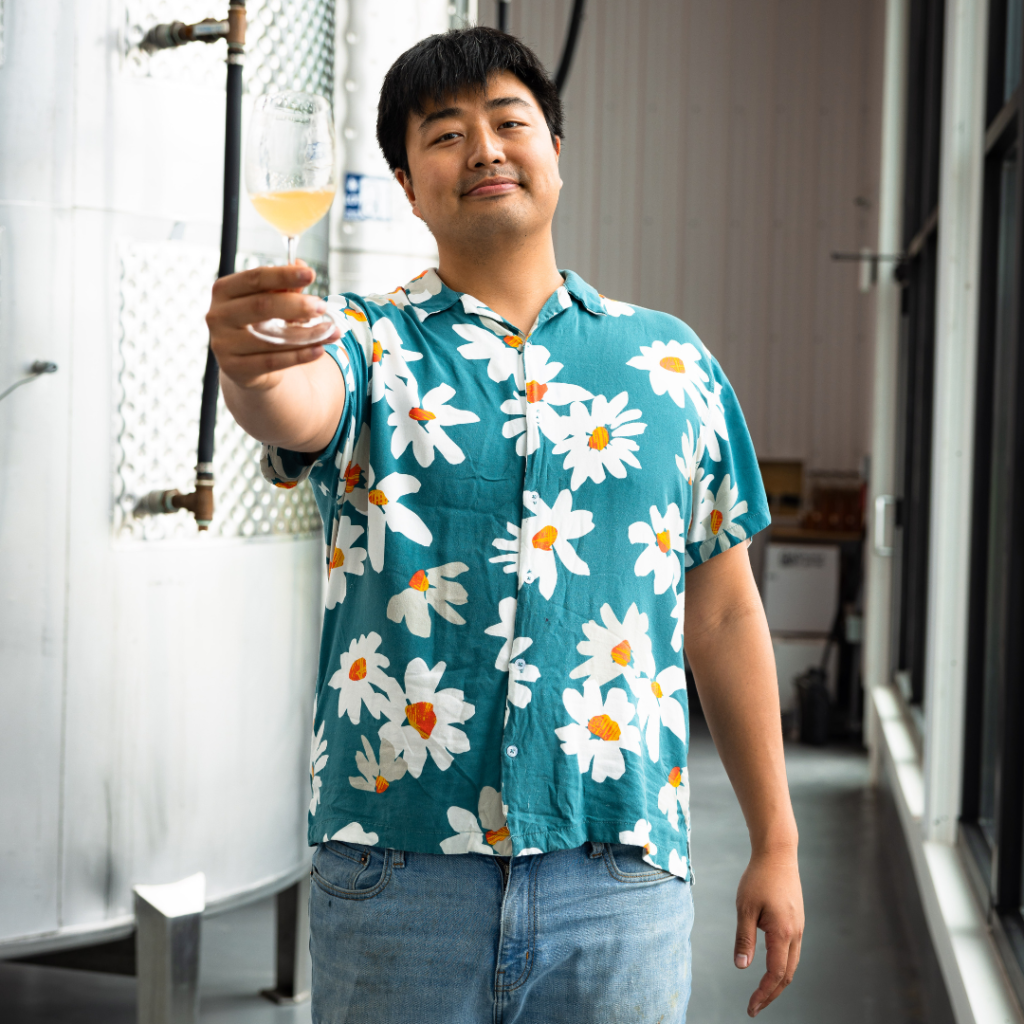
Newly Elected: Richard Yi, Brooklyn Cider House, New Paltz, NY – Richard is the cidermaker for Brooklyn Cider House, bringing ten years of wine industry experience and a degree in winemaking to every part of their production. At Brooklyn Cider House he has helped strengthen operations and support steady growth. He also serves on the board of the New York Cider Association, where he works to advance cider education and support the industry statewide.
Regional Chair – Midwest

Re-Elected: John Behrens, Farmhaus Cider Co. and Farmhaus Farms, Hudsonville, MI – John is a longtime CPA turned Corporate Controller for a Fortune 500 company who discovered there had to be more to life. He started Farmhaus Cider Co. along with his wife 11 years ago on his 150+ year old family homestead. Three years ago they purchased a beloved apple orchard, fruit farm, farm market and bakery in Michigan and he added apple grower to my resume and list of responsibilities.
Regional Chair – Mountain West

Re-Elected: Talia Haykin, Haykin Family Cider, Aurora, CO – Talia Haykin is the co-founder of Haykin Family Cider in Colorado, which she launched with her husband Daniel in 2017 after several years as dedicated home cider makers. Talia oversees operations, finance, compliance, sales, and marketing for the cidery, bringing prior experience as the CMO of large nonprofits and as a professional writer and marketing strategist. She lives in Denver with her husband and their three children, and firmly believes apples are better fermented than paired with peanut butter.
Regional Chair – Northwest
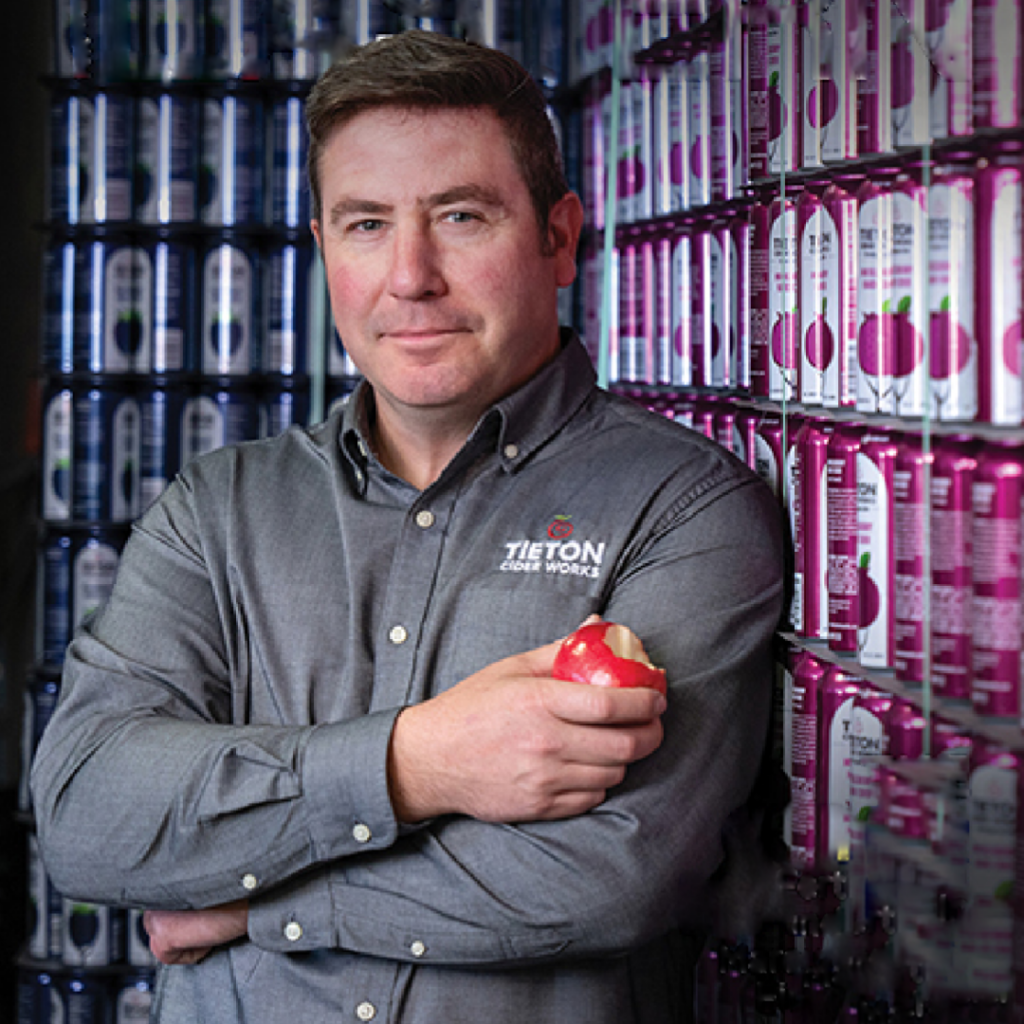
Re-Elected: Marcus Robert, Tieton Cider Works, Yakima, WA – Marcus Robert is President, Cider Maker, and Co-Owner of Tieton Cider Works in Yakima, Washington, and a fourth-generation farmer in the Yakima Valley. With deep roots in agriculture and over a decade of cidermaking experience, Marcus brings a grower-producer perspective to industry leadership. He has served on the American Cider Association Board since 2017, representing the Northwest region and advocating for fair regulation, education, and sustainable growth. Marcus is committed to strengthening the cider community and supporting producers of all sizes through thoughtful, practical leadership.
Large Cidery Seat

Colin Schilling, Schilling Cider, Auburn, WA – Colin Schilling is the CEO and Co-Founder of Schilling Cider, where he has helped shape the company into one of the nation’s most innovative and forward-thinking craft cideries. Colin’s passion for food and beverage extends well beyond cider. He enjoys exploring new tastes and experiences and has contributed his expertise to brands in the non-alcoholic, coffee, energy, and cannabis spaces. His background includes an MBA focused on entrepreneurship and business sustainability, as well as experience in technology consulting, giving him a broad perspective on how businesses can make a positive impact.
Executive Board
We are also pleased to announce the return of the executive board members who will continue to lead the ACA:
- Christine Walter of Bauman’s Cider will continue in her role as President
- Ben Calvi of Vermont Cider Company has been chosen to serve as Vice President.
- Dave Takush of 2 Towns Ciderhouse in Oregon will continue in his role as Secretary.
- John Behrens of Farmhaus Cider in Michigan will continue in his role as Treasurer.
Gratitude to Past Board Members
We extend our heartfelt thanks to outgoing At-Large board member Phillipe Bishop and outgoing Large Cidery board member Chris Lacey for their dedicated service on the ACA board. Their contributions have been instrumental in shaping the future of the cider industry, and we are grateful for their commitment and hard work.
Who’s Ready for the End of Premiumization?
Each month consumer insights platform Sightlines will share one quick hit you can use to make confident decisions. Also, ACA members get 50% off a Sightlines subscription. Find the discount code in the Resource Hub.

Consumer spending in the U.S. has, of late, been buoyed by the wealthiest Americans. Recent analysis of Federal Reserve data by Moody’s Analytics showed that the top 10% of earners in the U.S. (those whose households make $250,000 or more annually) accounted for 49% of total consumer spending in Q2 2025. That’s the highest level ever reported since such data collection began in 1989, and it’s well above the one-third of overall consumer spending that group represented in the early 1990s.
Well-off Americans have carried water for much of the economy, but they can’t do it forever—particularly not when it comes to alcohol. The discretionary spending power of the wealthy has for years been a driver of premiumization, but the tides may be turning. Those households, after all, only need to buy so much beer or wine or cider. Eventually, all but the most exclusive of luxury brands need “average” Americans to buy in, or need the wealthy to buy even more. But we are currently seeing the affluent slow their spending: Analysts at Jefferies and Moody’s have noted that affluent shoppers have pulled back on luxury spending and are showing an increased appetite for discounts and deals. As a result, mentions of “trading down” in conference calls by large U.S. consumer companies have ticked up in recent years, echoing spikes seen after the housing market crisis in 2008 and during the post-COVID inflationary period. Sales of private label staples are breaking records. Amazon Prime Day shoppers spent on staples, not big-ticket buys. Lower-cost retailers like Kohl’s, TJ Maxx, and Dollar Tree have seen stock prices rise this year as investors bet on shoppers continuing to hunt deals. Even Gen Z is taking advantage of early-bird specials and happy hours. Alcohol companies need to recognize that a broad trend toward premiumization is no longer a given. What will make up the slack when big spenders pull back?
ACA Introduces Preferred Vendor Program
At the ACA, we know your bottom line matters and that you do better when the businesses you work with do better for you. That’s why we’re excited to launch the ACA Preferred Vendor Program: a growing lineup of businesses offering exclusive discounts for ACA members.
How It Works
We’ve done the legwork—negotiating deals with suppliers who want to support cidermakers like you with real savings on products and services you already use (or might want to use). Take advantage of our Preferred Vendor Program to enjoy:
- Exclusive discounts for ACA members
- Suppliers who understand your business
- Opportunities to save on tools, services, and materials
Newly Added Discounts:
- 25% Off Your First Year of Beer30
- Free Consultation & 10% Off Flat Fee Projects from Beer Law Center
- 10% Discount for all Classes & Workshops from the Cider Institute
- One Free Job Posting Per Year from Ciderpros.com
- 5% Off from Fountain City Logistics
- 5%-10% Off First Shipment from MyFreightWorld
- 10% Off First Design Project from Seathirst Creative
- 50% Off Annual Subscription from Sightlines
- 1/2 Off Setup and First Month Free from Tapwyse
- Savings of $3.00/case on Regulatory Fees from Vinoshipper
- 10% Off Orders from Wine Shipping Boxes
Check them all out on our Preferred Vendors Page and find links and codes for their exclusive deals for ACA members in the Resource Hub.
Becoming a Preferred Vendor
If you know a great company that supports your work and might be a good fit send them our way! Better yet, if you are a business that wants to participate, fill out this FORM and let us know. We’d be glad to bring you into the fold to pass benefits on to the whole cider community. If you have questions, feel free to reach out to our Director of Member Relations Woodley Smith at woodley@ciderassociation.org.
NEW! Barrel to Glass CiderCon® Experience
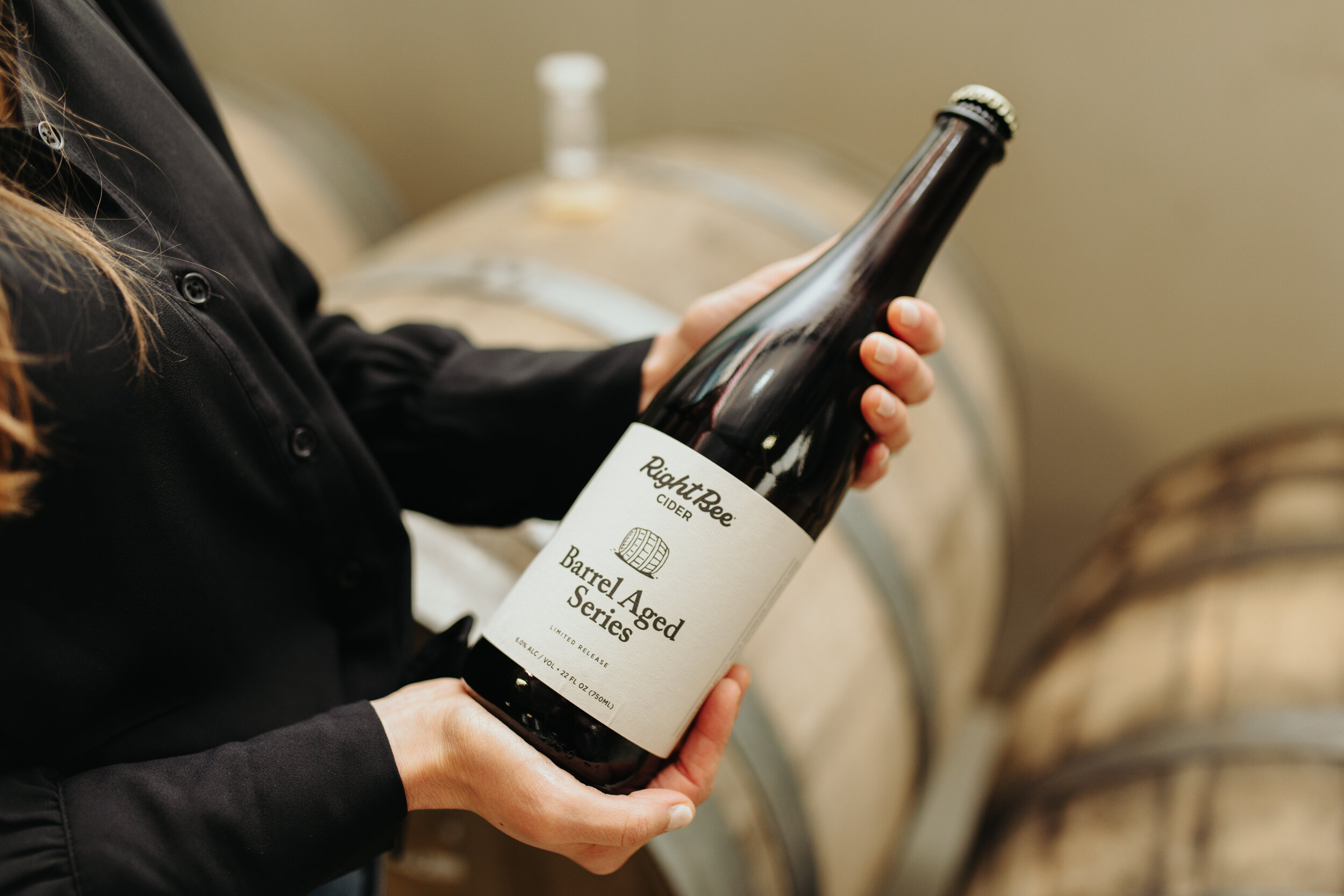
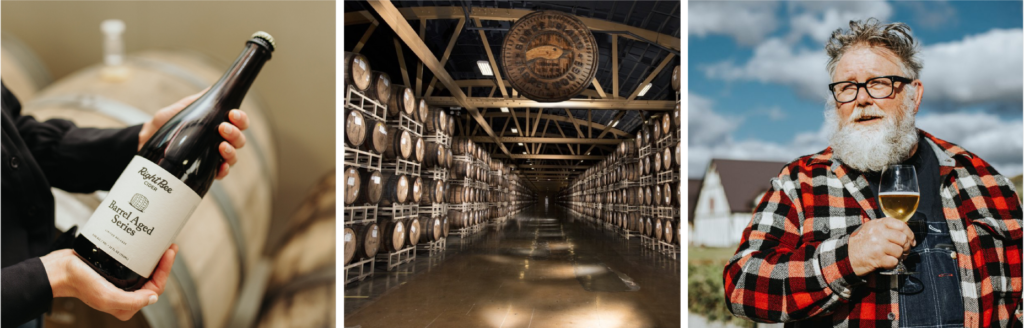
Just announced! Join us on Tuesday, February 4th for this limited CiderCon® 2025 learning and tasting experience that will explore the world of barrel-aged ciders and craft beverages. Kick off with a tour of the iconic Goose Island Barrel Room and its 15,000 barrels, visit Right Bee Cider to taste and learn about their barrel-aged cider series including hearing from their distiller partners at Judson & Moore, and finally, learn from veteran cidermaker Greg Hall about Michigan’s Virtue Cider and their barrel aging approach.
This tour will depart the Hilton at 3:00 PM and return by 6:30 PM. Tickets are $60 and include cider tastings and transportation. Tickets are extremely limited for this event, so hurry and grab yours today!
This event is part of Chicago Cider Week and does not require CiderCon® registration to participate. This is a 21 and over only event.
Have questions? Contact Michelle at ciderassociation dot org.